Buildings in Plain Sight
Courthouses, stations and hotels stand in cities around the world with their builders on record, and a theory on the internet says those builders only inherited them.
Walk through almost any old city centre and you pass them: a domed capitol, a stone courthouse, a railway station built like a palace. Their architects and contractors are on record, and so are their opening days. A theory that began in Russia, in the rewritten histories of Anatoly Fomenko and Nikolay Levashov, and spread through English-language forums and video, says the record is a cover, and that many of these buildings were inherited from a lost world power called Tartaria.
This page sets the buildings beside the paperwork: 50 places the theory's own writers have named, in 19 countries. Choose a picture to see who built it, when, and what is said about it. Where the record runs deep enough, the picture opens a full investigation.
The Record
The buildings
50 shown
-
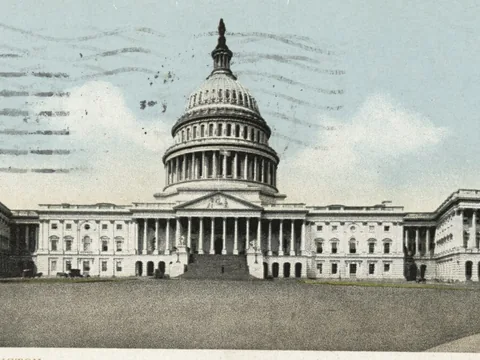
United States Capitol Washington DC, USA · 1793-1866 Built by: Design selected by George Washington, 1793; Thomas U. Walter, cast-iron domeStatus: StandingOn record: Begun in 1793 on a design George Washington selected, and burnt during the War of 1812. Thomas U. Walter's cast-iron dome was built from 1856 to 1866 at a total cost of $1,047,291.The claim: Said to have been built by the same people as the Egyptian pyramids, with the official dates of its 1850s enlargement doubted from period drawings. (Joachim Skaar, reported by Zach Mortice; KorbenDallas, Stolen History forum) Detroit Photographic Co., 1902, public domain, via Wikimedia Commons. -
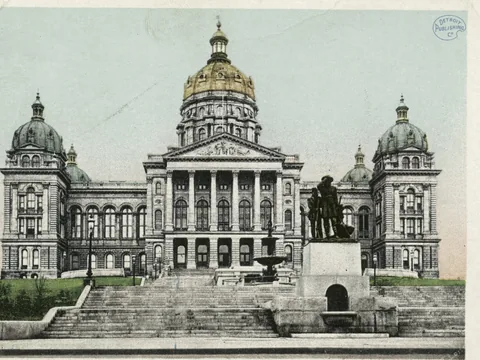
Iowa State Capitol Des Moines, USA · 1871-86 Built by: John C. Cochrane and A. H. Piquenard; then M. E. Bell and W. F. HackneyStatus: StandingOn record: Cochrane and Piquenard were chosen in the 1870s; Bell and Hackney took over after Piquenard died in 1876. It cost $2,873,294.59, and an audit found only $3.77 unaccounted for in fifteen years. Its dome carries 23-carat gold leaf.The claim: Said to be a palace of old Tartaria rather than a Gilded Age building, with a 1939 photo of men laying stone by hand read as too primitive for it. (reported by Zach Mortice; a post in r/Tartaria) Detroit Publishing Co., about 1907, public domain, via Wikimedia Commons. -
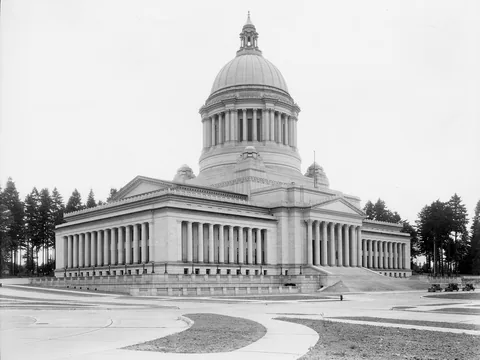
Washington State Capitol Olympia, USA · 1922-28 Built by: Walter Wilder and Harry WhiteStatus: StandingOn record: New York architects Walter Wilder and Harry White won the 1911 competition for the Legislative Building. Construction began in 1922 and finished in 1928. Its dome stands 287 feet, the tallest masonry dome in North America.The claim: Said to stand where an older structure was removed, with one reply taking the wall dug up on site as a pre-existing structure the mainstream account cannot explain. (KorbenDallas and Wil-I-am, Stolen History forum) Unknown photographer, about 1927, public domain, via Wikimedia Commons. -
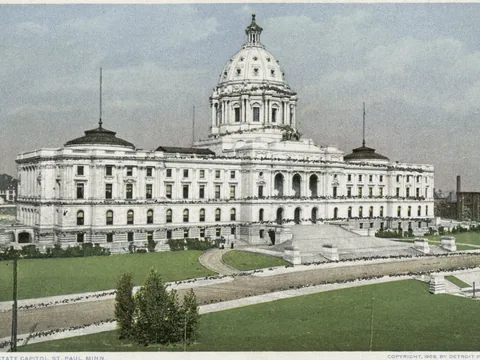
Minnesota State Capitol Saint Paul, USA · 1896-1905 Built by: Cass GilbertStatus: StandingOn record: Cass Gilbert's Capitol took nine years and $4.5 million, opening on January 2, 1905. The outer dome is a self-supporting shell of Georgia marble blocks; a brick and steel cone inside it holds up the lantern and gold ball.The claim: Said to have been a Tartarian palace or regional forum. (a post in r/Tartaria) Detroit Publishing Co., about 1907, public domain, via Wikimedia Commons. -
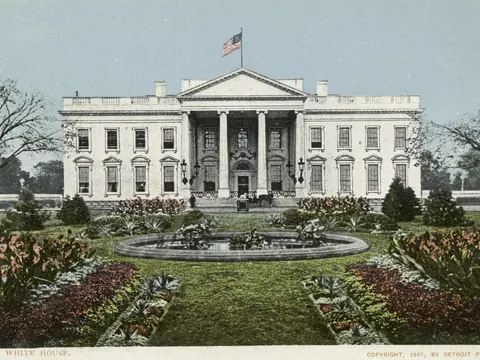
White House Washington DC, USA · 1792-1800 Built by: James Hoban, with enslaved people, wage laborers and craftsmenStatus: StandingOn record: James Hoban's design was chosen in July 1792. Enslaved people worked beside wage laborers and craftsmen; over 200 are identified across this house and the Capitol. British forces burned it in 1814. Its 1792 cornerstone has not been seen since it was laid.The claim: Said to have been built by Tartarians, to Tartarian designs. (reported by John Coon, Strange New Worlds) Detroit Photographic Co., 1901, public domain, via Wikimedia Commons. -
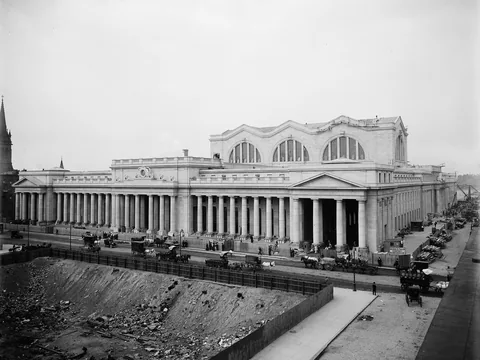
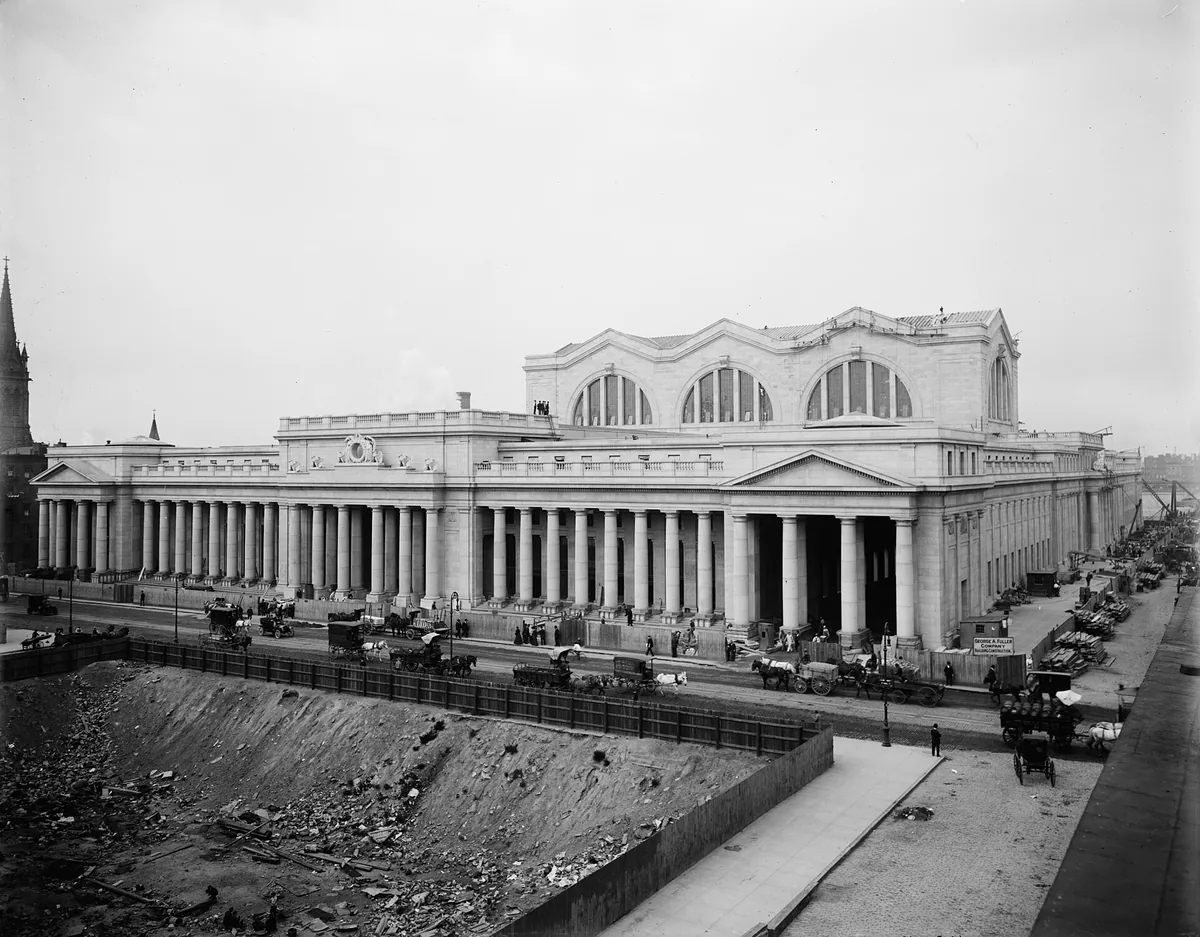
Pennsylvania Station (original) New York, USA · 1910; razed 1963-66 Built by: McKim, Mead and WhiteStatus: DemolishedOn record: McKim, Mead and White's station covered two full city blocks, with over 500 buildings cleared for it: nine acres of travertine and granite, 84 Doric columns. Erected in 1910, it fell to make way for a new Madison Square Garden; demolition ran from October 1963 to 1966.The claim: Said to have been assembled by Tartarians and torn down on purpose to hide that history. (reported by The Spinoff; a post in r/Tartaria) Detroit Publishing Co., about 1910, public domain, via Wikimedia Commons. -
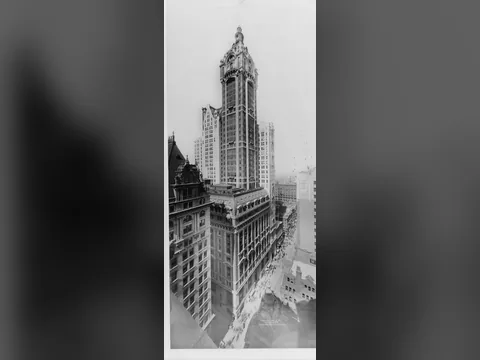
Singer Building New York, USA · 1906-08; razed 1968 Built by: Ernest FlaggStatus: DemolishedOn record: Ernest Flagg was architect and general contractor. Built from September 1906 to May 1908, the tower rose 612 feet. It was demolished in 1968 for the U.S. Steel Building, then the tallest building ever demolished.The claim: Said to be an artifact of the Tartarian empire, knocked down after only sixty years. (reported by Zach Mortice) Irving Underhill, 1909, public domain, via Wikimedia Commons. -
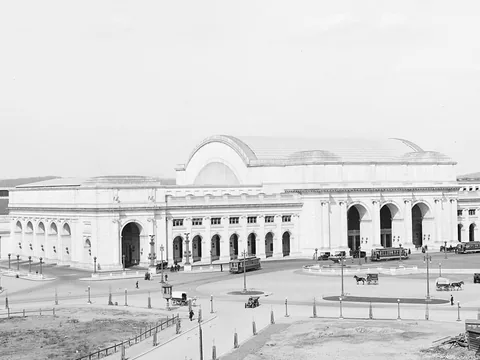
Union Station Washington DC, USA · 1905-08 Built by: Daniel Burnham, D. H. Burnham and Co.Status: StandingOn record: Daniel Burnham's firm built it from 1905 to 1908 under the U.S. Senate Park Commission; the first train came in October 1907. The Main Hall, 120 by 220 feet under a 96-foot barrel vault, was thought when built to be the largest room in the world.The claim: Suggested as a building taken over from Tartaria. (a post in r/Tartaria) Detroit Publishing Co., between 1907 and 1910, public domain, via Wikimedia Commons. -
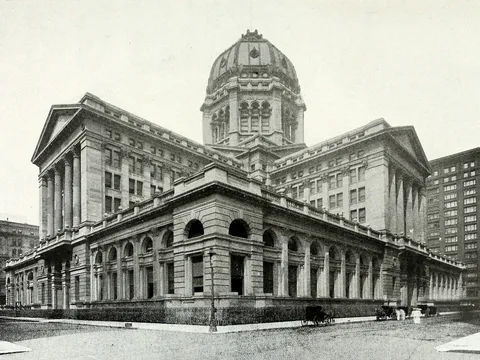
Federal Building Chicago, USA · 1896-1905; razed 1965 Built by: Henry Ives CobbStatus: DemolishedOn record: Henry Ives Cobb's Federal Building and Post Office had a 300-foot octagonal rotunda under a dome over 100 feet across, larger than the U.S. Capitol's. Over $2 million went into the rotunda's granite, marble, mosaics and bronze. It was demolished in 1965.The claim: Held up as a favourite case of a grand domed building razed after about 60 years and replaced by a black glass tower. (reported by Zach Mortice) Unknown photographer, about 1910, public domain, via Wikimedia Commons. -
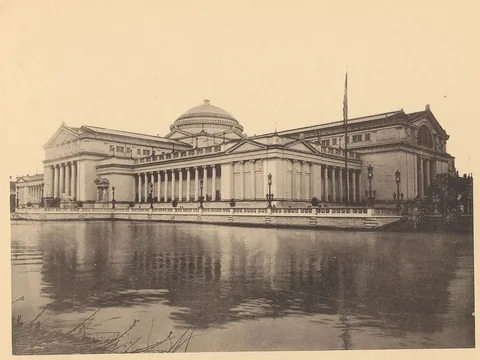
Museum of Science and Industry (Palace of Fine Arts) Chicago, USA · 1891-93; rebuilt 1929-33 Built by: Charles B. Atwood; rebuilt by Graham, Anderson, Probst and White and by Shaw, Naess and MurphyStatus: AlteredOn record: Built 1891-93 as the Palace of Fine Arts for the 1893 fair, it was the first home of the Field Museum. It was then rebuilt in stone for the Museum of Science and Industry, its exterior an exact copy of the original Beaux-Arts design.The claim: Called an old world structure, from a fair that the theory holds was a Tartarian capital later demolished to erase its real builders. (a post in r/Tartaria; reported by Zach Mortice (the fair)) Unknown photographer, 1893, public domain, via Wikimedia Commons. -
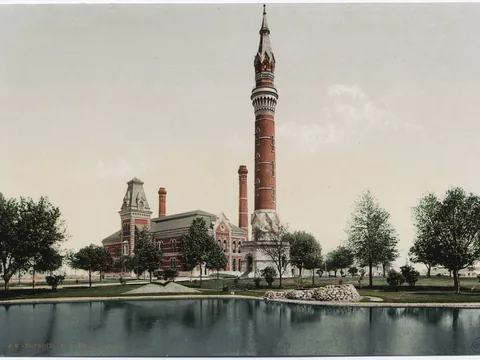
Detroit Water Works tower Detroit, USA · 1876; razed 1945 Built by: Joseph E. Sparks, architectStatus: DemolishedOn record: Detroit architect Joseph E. Sparks won a competition for this 185-foot surge tower, which equalized pressure in the city's water mains. Water in it could freeze, so a coal stove went in with no chimney. Pumps took over in 1895, and it came down in 1945 as unsafe.The claim: Said not to be American architecture at all, but Tartarian work and a remnant of a prior civilization. (jonnye, Stolen History forum) Detroit Photographic Co., about 1900, public domain, via Wikimedia Commons. -
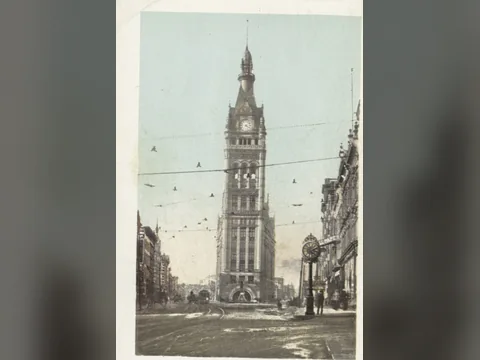
Milwaukee City Hall Milwaukee, USA · 1893-95 Built by: Henry C. KochStatus: StandingOn record: Henry C. Koch's City Hall went up in 1893-95. Its main tower is about 350 feet tall, and it stayed the tallest building in Milwaukee for 78 years. It became a National Historic Landmark in 2005, and a $75 million renovation finished in 2009.The claim: Said to be a Tartarian airship docking station, tied to an 1897 sighting and to carvings read as matching a Tartarian flag. (a post in r/Tartaria) Detroit Photographic Co., 1902, public domain, via Wikimedia Commons. -
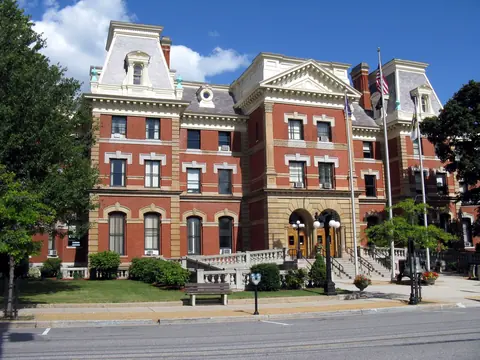
Cambria County Courthouse Ebensburg, USA · 1880-81 Built by: M. E. Beebe, architect; Henry Shenk, builderStatus: StandingOn record: M. E. Beebe of Buffalo designed it and Henry Shenk built it in 1880-81 for $109,962, on the site of an 1828-30 courthouse. About 80,000 pressed bricks from Philadelphia form the outer walls. Wings and a glass-domed rotunda followed in 1923.The claim: Said to be dated 1803 yet shown on a 1792 card, with a border read as protecting buried windows. (a post in r/Tartaria) Photo: Publichall, CC BY-SA 3.0, via Wikimedia Commons. Resized. -
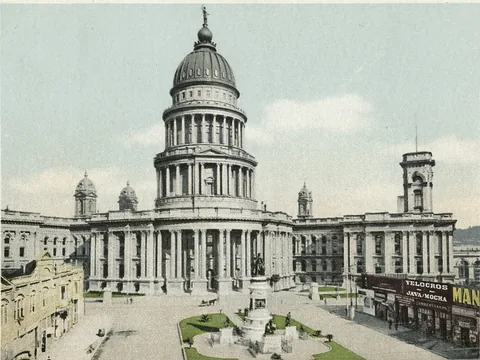
Old San Francisco City Hall San Francisco, USA · 1871-1906 Built by: Augustus Laver; later Frank T. SheaStatus: DemolishedOn record: Augustus Laver won the 1871 competition; Frank T. Shea was its architect by 1896. Political changes to the design stretched the work past twenty years, and slow progress and overruns brought 1875 hearings over the granite contract. It burned in the earthquake and fire of April 18, 1906.The claim: Called Tartarian, with both its building date and its 1906 destruction treated as doubtful. (a post in r/Tartaria) Detroit Photographic Co., before 1906, public domain, via Wikimedia Commons. -
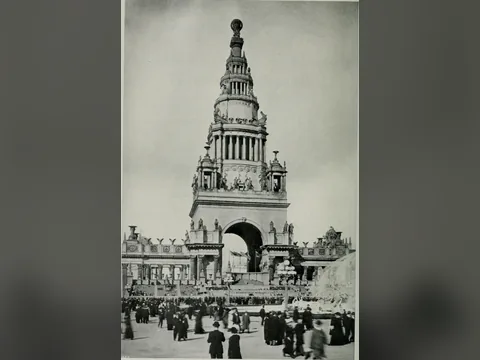
Tower of Jewels San Francisco, USA · 1915 Built by: Carrere and Hastings, architectsStatus: DemolishedOn record: Carrere and Hastings designed it as the central structure of the 1915 fair in San Francisco. A guide written that year says its jewels were only hard glass, fifty thousand of them cut in Austria, each backed by a tiny mirror.The claim: Held up as evidence of an ancient Tartarian capital, though it was a temporary structure demolished soon after the fair. (reported by Discover Magazine) Unknown photographer, about 1915, public domain, via Wikimedia Commons. -
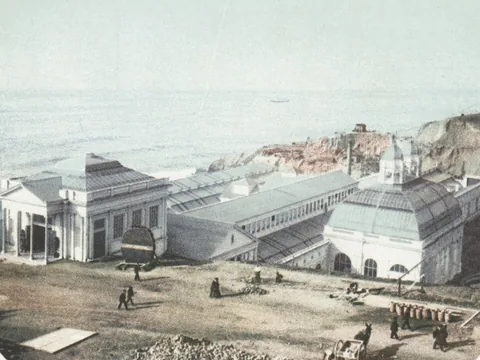
Sutro Baths San Francisco, USA · 1894-96 Built by: Adolph SutroStatus: DemolishedOn record: Adolph Sutro, a self-made millionaire, developed the baths in 1894: seven pools at different temperatures under glass, for about 10,000 people at once. High tide could fill the 1.7 million gallons in about an hour. Fire destroyed what remained in 1966, during demolition.The claim: Said to be a repurposed water treatment plant, and by one reply a hide and meat works in a Tartarian supply chain. (KorbenDallas and NewTarian, Stolen History forum) Detroit Photographic Co., 1900, public domain, via Wikimedia Commons. -
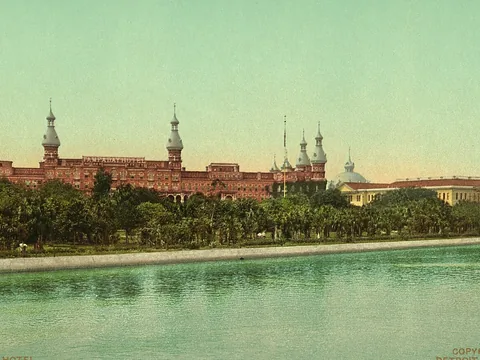
Tampa Bay Hotel Tampa, USA · 1888-91 Built by: Henry B. Plant; J. A. Wood, architectStatus: StandingOn record: Railroad magnate Henry B. Plant built it in 1888-91 under New York architect J. A. Wood, using 452 freight car loads of brick. Some 900 feet long with 511 rooms, it cost over $2 million. In 1898 it was headquarters for the force that invaded Cuba. It is now the University of Tampa.The claim: Called Tartarian and mud-flooded, and counted among Florida grand hotels said to be pre-existing rather than built by the railroad magnates. (a post in r/Tartaria; Michelle Gibson, reported by Apeirron) Detroit Photographic Co., 1902, public domain, via Wikimedia Commons. -
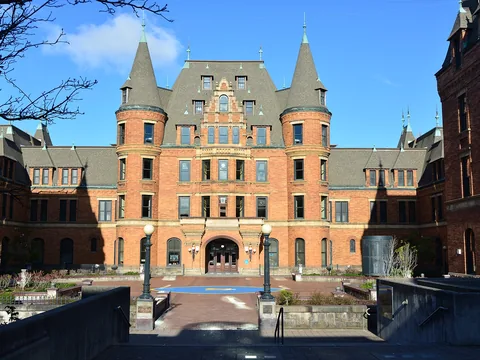
Stadium High School Tacoma, USA · 1891-1906 Built by: Hewitt and Hewitt for the Tacoma Land Company; Frederick Heath brought in for the school conversionStatus: StandingOn record: Begun in 1891 as a luxury hotel for the Northern Pacific's Tacoma Land Company, to designs by Hewitt and Hewitt. The Panic of 1893 stopped work and the shell became a warehouse. Fire gutted it, demolition was called off, and it opened as a high school in 1906.The claim: Said to show clear signs of the mud flood, with lower windows on two sides sitting below ground and an unknown number of levels buried. (KorbenDallas, Stolen History forum) Photo: Joe Mabel, CC BY-SA 4.0, via Wikimedia Commons. Resized. -
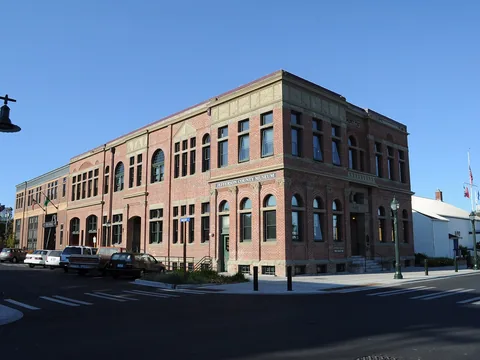
Jefferson Museum of Art and History (Port Townsend City Hall) Port Townsend, USA · 1891-92 Built by: Edward A. Batwell and Patrick, architects, for the City of Port TownsendStatus: AlteredOn record: Designed by the short-lived firm of Batwell and Patrick and finished in February 1892, after voters approved a $30,000 bond. It held city offices, the fire department, a jail and a court. A 1945 storm damaged the tower and third floor, which were then removed.The claim: Said to be two joined buildings, the left one raised after the mud flood, with the 1891 date carved on the right one doubted. (KorbenDallas, Stolen History forum) Photo: Joe Mabel, CC BY-SA 3.0, via Wikimedia Commons. Resized. -
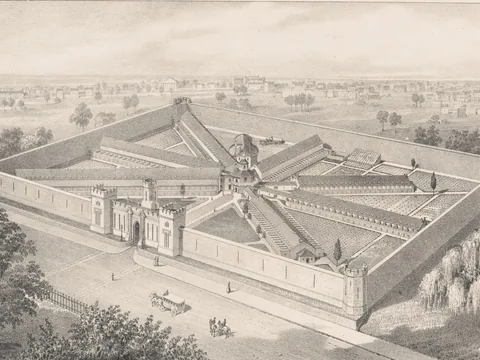
Eastern State Penitentiary Philadelphia, USA · opened 1829 Built by: John Haviland, architect, for the State of PennsylvaniaStatus: StandingOn record: Designed by John Haviland, funded by the Pennsylvania legislature in 1821, and took its first prisoner in 1829. Built to hold 250 people, it held about 1,700 by the mid-1920s. The state stopped running it in 1970, and it is now a historic site open daily.The claim: Grouped with beautiful buildings said to have had another purpose before they became prisons, with its cost and capacity questioned. (KorbenDallas, Stolen History forum) P. S. Duval and Co., 1855, public domain, via Wikimedia Commons. -
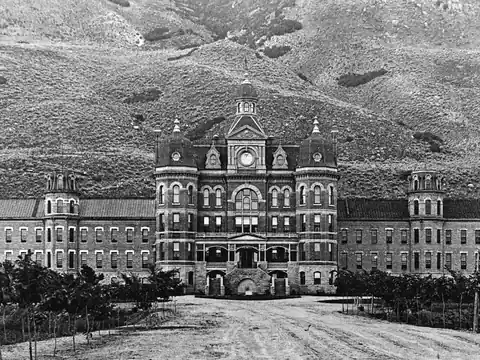
Utah State Insane Asylum (Territorial Insane Asylum) Provo, USA · 1881-85 Built by: John H. Burton, supervising architect, then his associate R. Kletting, for Utah TerritoryStatus: DemolishedOn record: Planned from 1881 under supervising architect John H. Burton, with R. Kletting taking over at his death. It opened on July 15, 1885, eight blocks from the nearest house, cut off from town by swampland and the city dump. The hospital still runs on the site today.The claim: Said to be a mansion or government building left over from a prior civilization, its patients being people unable to cope with the reset. (jonnye, Stolen History forum) Unknown photographer, 1896, public domain, via Wikimedia Commons. -
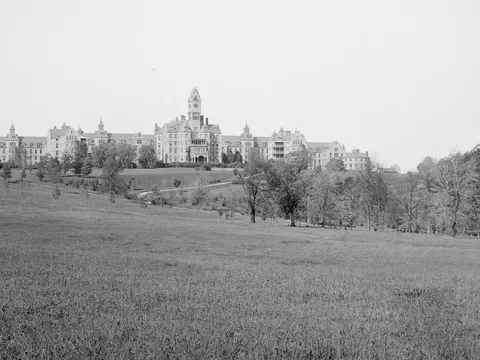
Worcester State Hospital Worcester, USA · completed 1877 Built by: Weston and Rand; George Dutton Rand named as designerStatus: DemolishedOn record: A Kirkbride asylum designed by George Dutton Rand and completed in 1877 for well over a million dollars. Fire wrecked much of it in 1991, most of the rest was razed in 2008 and the administration section in 2013. Only Hooper Hall survives, with a rebuilt clock tower.The claim: Called an Old World insane-asylum castle. (a post in r/Tartaria) Detroit Publishing Co., about 1906, public domain, via Library of Congress. -
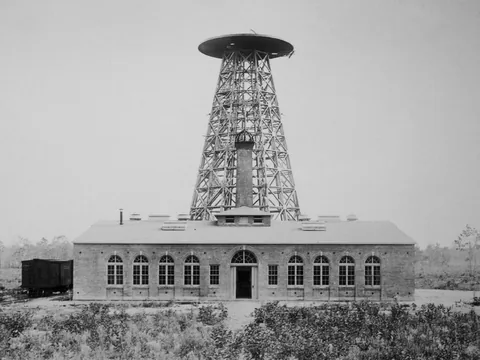
Wardenclyffe Tower Shoreham, USA · 1901-1917 Built by: Nikola Tesla; McKim, Mead and White designed laboratory and tower to his specificationsStatus: DemolishedOn record: Nikola Tesla's wireless transmitting tower rose nearly twenty stories beside his brick laboratory on Long Island. The project was shut down in 1903 for lack of funds, and in 1917 the tower was dismantled and sold for scrap. The laboratory building still stands.The claim: Said to be a partial attempt to rebuild Tartarian wireless energy, shut down by the forces hiding that history, with J.P. Morgan the usual suspect. (reported by Apeirron) Unknown photographer, about 1902, public domain, via Wikimedia Commons. -
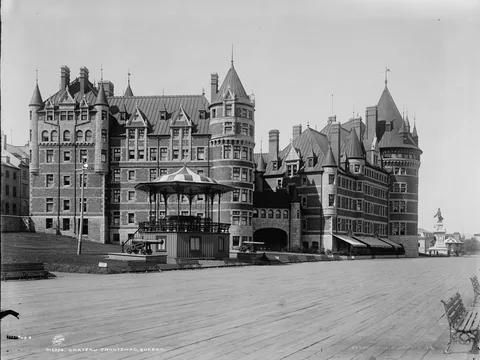
Chateau Frontenac Quebec City, Canada · 1892-93 Built by: Bruce Price for the Canadian Pacific Railway; later additions by W. S. Painter and the MaxwellsStatus: StandingOn record: Designed by Bruce Price for the Canadian Pacific Railway and built in 1892-93, then enlarged in stages, with additions in 1908-09 and 1920-24. Parks Canada calls it the first of the railway chateau hotels and the purest expression of the style.The claim: Said to be too large to have gone up in 1892-93, with one forum reply guessing it is a few hundred years old, possibly 500. (PSPZ and jonnye, Stolen History forum) Detroit Publishing Co., between 1890 and 1901, public domain, via Library of Congress. -
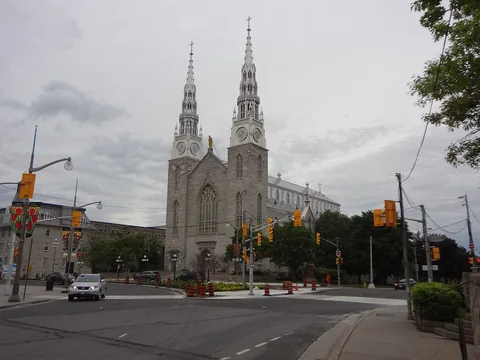
Notre-Dame Cathedral Basilica Ottawa, Canada · 1841-85 Built by: Jean-Francois Cannon, then Adrien Telmon, Damase Dandurand and Felix MartinStatus: StandingOn record: The oldest church in Ottawa. Begun in 1841 as a Neoclassical stone church, it was changed to Gothic Revival in 1844 while only partly built. The exterior was done by 1846, the steeples by 1858, and the whole was finished in 1885.The claim: Called an old world building that became a cathedral only through a later cover story. (a post in r/Tartaria) Photo: shankar s., CC BY 2.0, via Wikimedia Commons. Resized. -
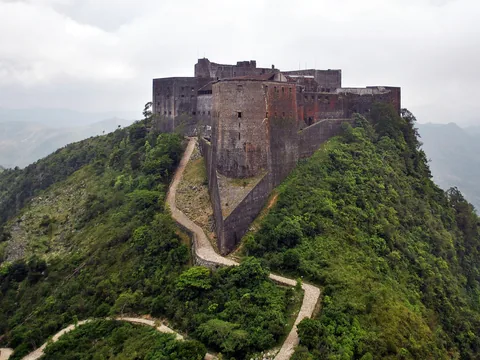
Citadelle Laferriere Milot, Haiti · 1804-13 Built by: Henri Christophe, on the orders of Dessalines; plans by the Haitian Henry BarreStatus: StandingOn record: After independence in 1804, Dessalines gave his general Henri Christophe the task of building it on a 970 m peak; the plans are by Henry Barre. It was inaugurated in 1813. UNESCO names it among the first monuments built by enslaved people who had won their freedom.The claim: Said to be beyond Christophe's workers, and possibly the work of a destroyed civilization, perhaps Moorish. (KorbenDallas, Stolen History forum) SPC Gibran Torres, U.S. Army, 2010, public domain, via Wikimedia Commons. -
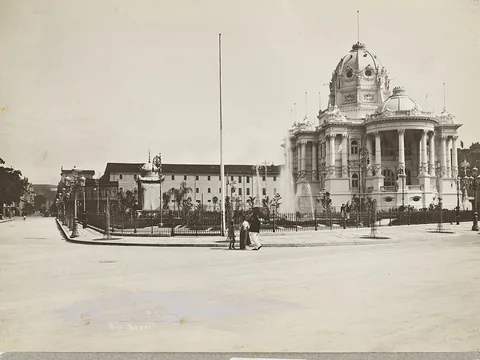
Palacio Monroe Rio de Janeiro, Brazil · 1904-06 Built by: Francisco Marcelino de Sousa Aguiar, engineerStatus: DemolishedOn record: Engineer Francisco Marcelino de Sousa Aguiar designed it as Brazil's demountable pavilion at the 1904 St. Louis fair, where it won the top architecture prize. It was shipped and assembled in Rio in 1905-06, housed the Senate from 1925 to 1960, and fell in June 1976.The claim: Its move from St. Louis is doubted because no construction photos exist for 1904-06, and a forum member asks if it copied something older. (ViniB and Tomkat, Stolen History forum) Unknown photographer, early 1900s, public domain, via Wikimedia Commons. -
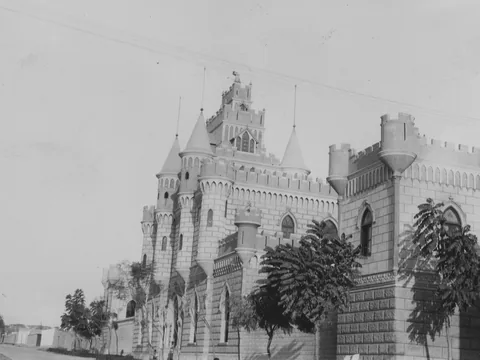
Rospigliosi Castle Lima, Peru · 1929 Built by: Carlos J. Rospigliosi Vigil, physician and professor, who helped draw the plansStatus: StandingOn record: Built in 1929 by Carlos J. Rospigliosi Vigil, a doctor and San Marcos professor who helped draw the plans and acted as master builder. It was reportedly meant to host King Alfonso XIII, who never came. The state later expropriated it, and it now houses Peru's aeronautics museum.The claim: Builder and date are doubted: no construction photos are known, and the credited man, a physician, is said to be most likely not the architect. (KorbenDallas, Stolen History forum) U.S. Bureau of Public Roads, undated, public domain, via Wikimedia Commons. -
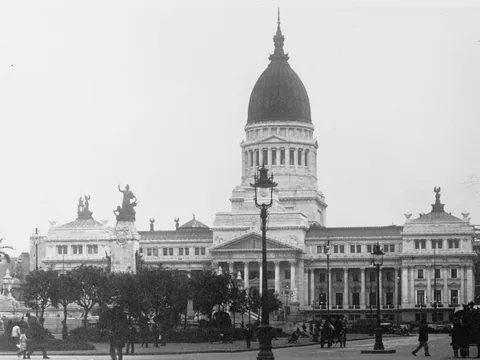
Palace of the Argentine National Congress Buenos Aires, Argentina · 1898-1906 Built by: Vittorio Meano, winner of the 1895 competition; completed by Julio DormalStatus: StandingOn record: Italian architect Victor Meano won the 1895 design competition and work began in 1898. He died before it was finished and Julio Dormal completed it. The building was inaugurated in 1906, yet construction was not concluded until 1946.The claim: Called an obvious remnant of Tartaria, with statues said to have been removed after construction. (a post in r/tartarianarchitecture) National Photo Company, between 1908 and 1919, public domain, via Library of Congress. -
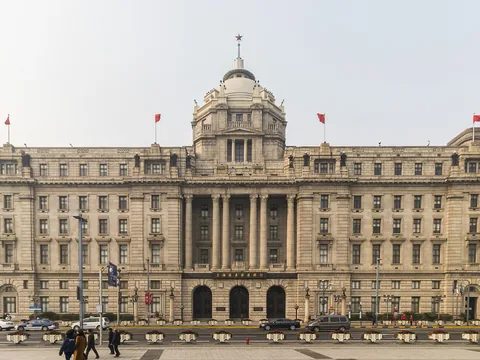
HSBC Building Shanghai, China · 1919-23 Built by: Palmer and Turner, for the Hongkong and Shanghai BankStatus: StandingOn record: Commissioned in 1919 and designed by Palmer and Turner, it opened on 23 June 1923. Shanghai manager Alexander Stephen's brief was to spare no expense and dominate the Bund. It stands there still, now occupied by Shanghai Pudong Development Bank.The claim: Said to be a remnant of an older, benevolent empire and not the work of a 20th-century colonial power. (Jon Levi, reported by Zach Mortice) Photo: ScareCriterion12, CC BY-SA 4.0, via Wikimedia Commons. Resized. -
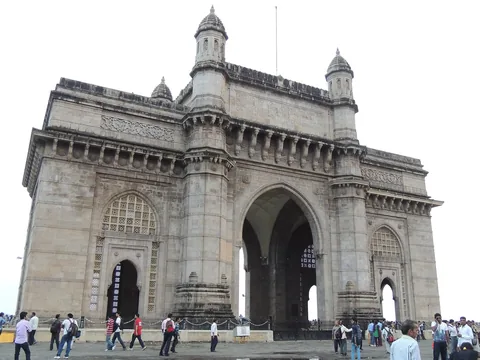
Gateway of India Mumbai, India · 1915-24 Built by: George Wittet, architectStatus: StandingOn record: George Wittet's design was approved in 1914, and the arch of yellow Kharodi basalt and reinforced concrete opened on 4 December 1924. On 28 February 1948 the Somerset Light Infantry, the last British troops to leave India, passed through it.The claim: Asked whether it was a new build or the renovation of an older damaged structure, with construction photos read as showing wear and intact windows. (KorbenDallas, WakaAnd and jd755, Stolen History forum) Photo: HoneyB (Agra), CC BY-SA 3.0, via Wikimedia Commons. Resized. -
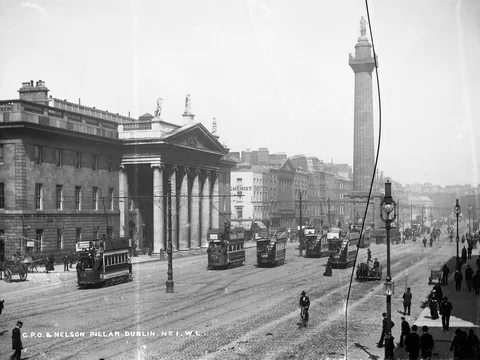
General Post Office Dublin, Ireland · 1814-18 Built by: Francis Johnston, architectStatus: AlteredOn record: Francis Johnston's building was begun in 1814 and opened on 6 January 1818 for about 50,000 pounds. Shelling in the 1916 Rising burned out the interior. The shell was kept, the rest rebuilt to a new design, and it reopened in 1929 with bullet marks left on the portico.The claim: Said to be at least 58 years older than the 1814-18 account, perhaps built by Moors or by a Roman league. (KorbenDallas, Stolen History forum) Lawrence Collection, about 1900, public domain, via National Library of Ireland and Wikimedia Commons. -
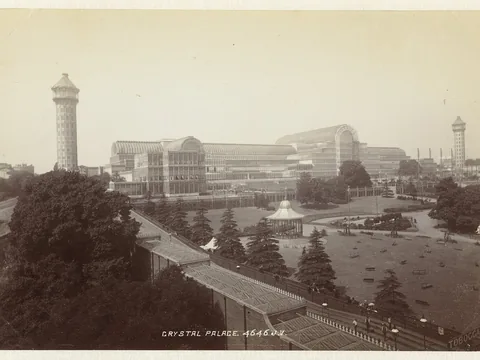
Crystal Palace London, UK · 1851 Built by: Joseph Paxton, designer; Fox, Henderson and Co, ironworkStatus: DemolishedOn record: Designed by Joseph Paxton, a naturalist and botanist rather than an architect, for the Great Exhibition of 1851 in Hyde Park. It was moved to Sydenham and enlarged. Fire destroyed it on 30 November 1936, despite 88 fire engines; only the two water towers survived it.The claim: Called a lost Tartarian marvel. (a post in r/Tartaria) Unknown photographer, between 1870 and 1900, CC0, via Wikimedia Commons. -
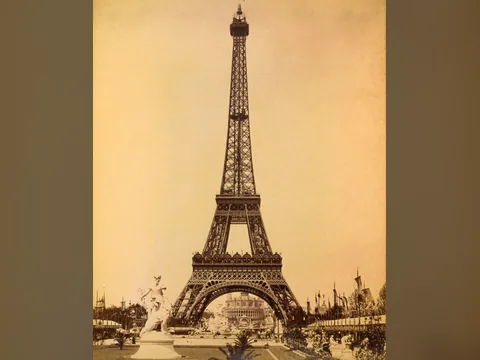
Eiffel Tower Paris, France · 1887-89 Built by: Gustave Eiffel's company: engineers Maurice Koechlin and Emile Nouguier, architect Stephen SauvestreStatus: StandingOn record: Built for the 1889 Paris World's Fair by Gustave Eiffel's company, chosen from 107 projects. His engineers Koechlin and Nouguier had the idea and architect Stephen Sauvestre shaped its look. It went up in 2 years, 2 months and 5 days from 18,038 metal parts.The claim: Said to have been designed by a lost civilization to collect atmospheric electricity as part of a worldwide free-energy system. (reported by Messy Nessy Chic) Unknown photographer, 1889, public domain, via Wikimedia Commons. -
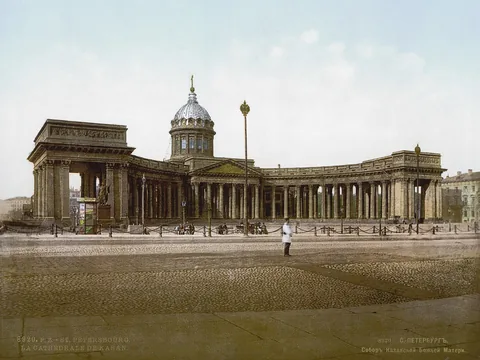
Kazan Cathedral Saint Petersburg, Russia · 1801-11 Built by: Andrey Voronikhin (architect)Status: StandingOn record: Andrey Voronikhin built it in 1801-11 with a semicircular Corinthian colonnade. Field Marshal Kutuzov was buried inside in 1813, and silver taken from the French in 1812 went into its icon-stand. It was a museum of religion from 1932 and has been a working church again since 1991.The claim: Said to have stood finished before its stated 1801-11 build, because a painting dated 1800 shows it complete; called a leftover of an earlier city, with the question "Tartarians?" (KorbenDallas, Stolen History forum) Photoglob Zurich photochrom, 1890s, public domain, via Library of Congress and Wikimedia Commons. -
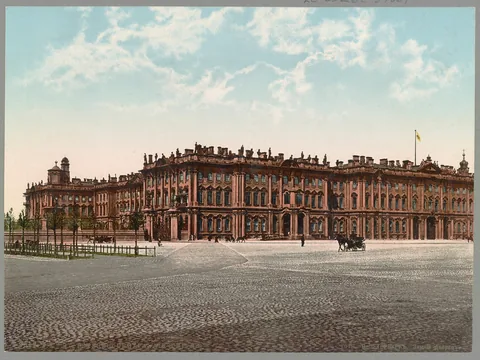
Winter Palace Saint Petersburg, Russia · 1754-62 Built by: Francesco Bartolomeo Rastrelli (architect)Status: StandingOn record: Rastrelli built it in 1754-62. A fire on 17 December 1837 destroyed nearly all the interiors, which were restored in 1838-39. It has about 1,050 rooms, was the main imperial residence until 1917, and passed wholly to the Hermitage in 1945-46.The claim: Said to have about a third of its height now below ground, shown by comparing an 18th-century engraving with the building today. (KorbenDallas, Stolen History forum) Photoglob Co., about 1905, public domain, via Library of Congress and Wikimedia Commons. -
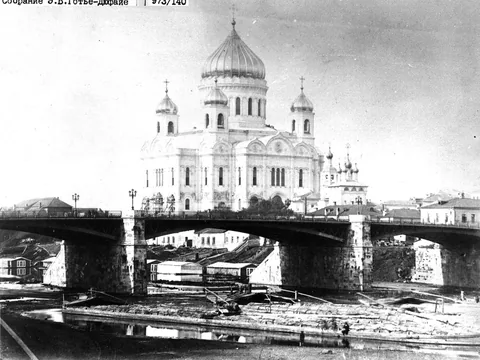
Cathedral of Christ the Saviour (original) Moscow, Russia · 1839-83 Built by: Konstantin Thon (architect)Status: DemolishedOn record: Konstantin Thon's cathedral was founded in 1839 and consecrated on 26 May 1883. It was demolished on 5 December 1931 for a Palace of Soviets, but the Moskva swimming pool was built there instead. An external copy was finished in 1999.The claim: Said to have been really a Tartarian palace, with its use as a church only a cover story. (reported by Nick Ottens, Never Was) Gautier-Dufayet collection, about 1900-13, public domain, via Wikimedia Commons. -
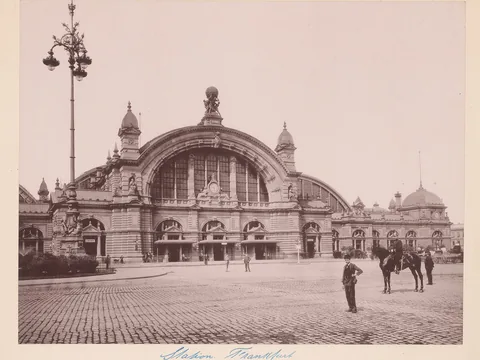
Frankfurt Hauptbahnhof Frankfurt, Germany · 1888 Built by: Hermann Eggert (station building), Johann Wilhelm Schwedler (train sheds)Status: StandingOn record: Hermann Eggert won the 1881 competition and designed the station building; the engineer Johann Wilhelm Schwedler made its three iron train sheds. It opened on 18 August 1888 after five years of work and stayed the largest station in Europe until Leipzig overtook it in 1915.The claim: Said to be Tartarian in look, the same as the buildings of the world's fairs. (a post in r/Tartaria) Unknown photographer, before about 1900, public domain (CC0), via Rijksmuseum and Wikimedia Commons. -
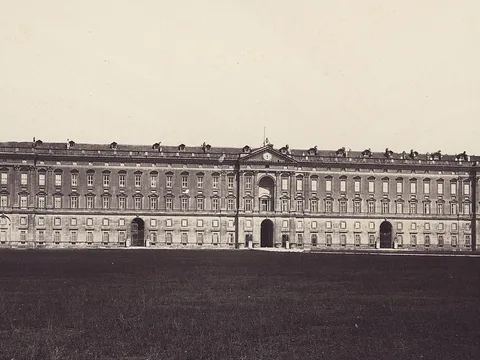
Royal Palace of Caserta Caserta, Italy · 1752-73 Built by: Luigi Vanvitelli (architect), for King Charles of BourbonStatus: StandingOn record: Luigi Vanvitelli designed it for King Charles of Bourbon and work began on 20 January 1752. It has about 1,400 chambers on five floors. When Vanvitelli died in 1773 the palace stood finished but its rooms were bare, and money troubles made his successors scale back the plan.The claim: Said to carry the Tartarian flag symbol throughout. (a post in r/Tartaria) Giorgio Sommer, about 1890, public domain, via Wikimedia Commons. -
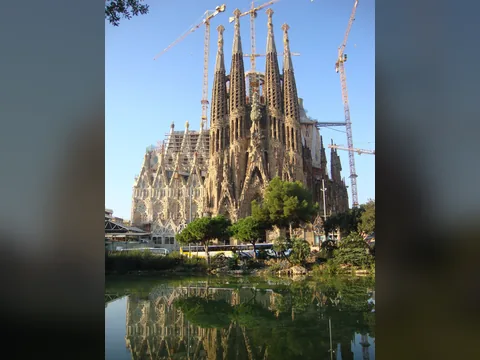
Sagrada Familia Barcelona, Spain · 1882- Built by: Francisco de Paula del Villar, then Antoni Gaudi from 1883Status: StandingOn record: Francisco de Paula del Villar drew the first design and the cornerstone was laid on 19 March 1882. Antoni Gaudi replaced him in 1883 and saw only one tower finished before he died in 1926. Work continues; the central tower of Jesus Christ received its cross in February 2026.The claim: Said that Villar and Gaudi were only finishing a project begun by someone else; a forum reply suggests sections of an ancient structure were reused. (KorbenDallas, Stolen History forum; reply by Banta) Photo: Maurizio Ceol, CC BY 3.0, via Wikimedia Commons. Resized. Set on a blurred copy of itself in the grid. -
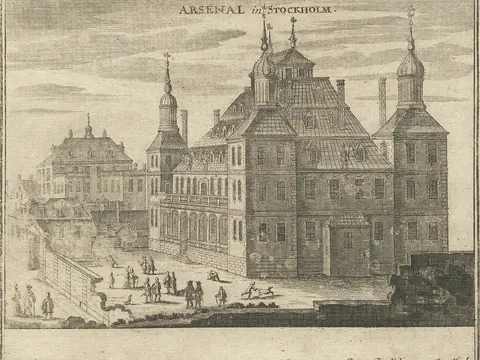
Makalos Palace Stockholm, Sweden · 1635-43 Built by: Built for Jacob De la Gardie; Hans Jacob Kristler named as builderStatus: DemolishedOn record: Built in 1635-43 for Field Marshal Jacob De la Gardie, on about 18,000 wooden poles, with five storeys and four towers. The crown later used it as a warehouse and Gustav III made it a theatre. It burned during a performance on 24 November 1825; three employees died.The claim: Said to be the work of a unified civilization rebuilding after a cataclysm, with the De la Gardie account a cover-up and the 1825 fire possibly deliberate. (Xanadu, Stolen History forum) Georg Christoph Kilian, 18th century, public domain, via Swedish National Heritage Board and Wikimedia Commons. -
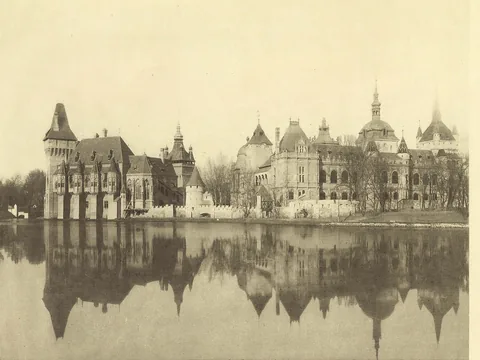
Vajdahunyad Castle Budapest, Hungary · 1896; 1904-08 Built by: Ignac Alpar (architect)Status: StandingOn record: Ignac Alpar designed it as a temporary Millennial exhibit of wood and cardboard in 1896. It was rebuilt in durable materials in 1904-08. The Museum of Agriculture opened inside in 1907, a year before the rebuilding was finished.The claim: Doubts the account that the 1896 wood and cardboard version was rebuilt in stone by 1908. (a post in r/Tartaria) Gyorgy Klosz, 1896, public domain, via Fortepan / Budapest City Archives and Wikimedia Commons. -
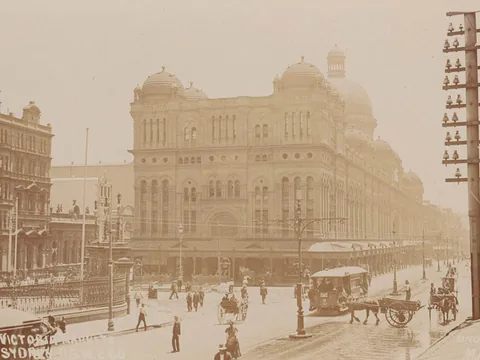
Queen Victoria Building Sydney, Australia · 1898 Built by: George McRae (city architect)Status: StandingOn record: City architect George McRae's Romanesque design was chosen from four options, and it opened on 21 July 1898 as the Queen Victoria Markets Building. In 1959 an alderman proposed demolishing it for a civic square. Restoration began in 1984 and it reopened in November 1986.The claim: Said to have been built by a highly intelligent past civilisation. (a Facebook reel, reported by AAP FactCheck) William Henry Broadhurst, about 1900-27, public domain, via State Library of New South Wales and Wikimedia Commons. -
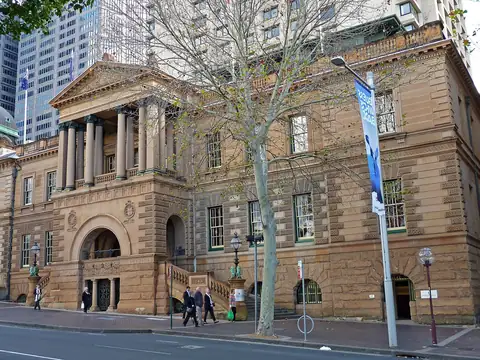
Treasury Building Sydney, Australia · 1851 Built by: Mortimer Lewis (Colonial Architect)Status: StandingOn record: Colonial Architect Mortimer Lewis's building of 1851 was the first purpose-built government office in Sydney and held the colony's wealth in the first gold rush. Its underground vault survives. Left empty from 1967, it reopened as part of InterContinental Sydney in 1985.The claim: Said to be Old World Tartarian architecture, older than the colony. (a Facebook reel, reported by AAP FactCheck) OSX, 2011, public domain, via Wikimedia Commons. -
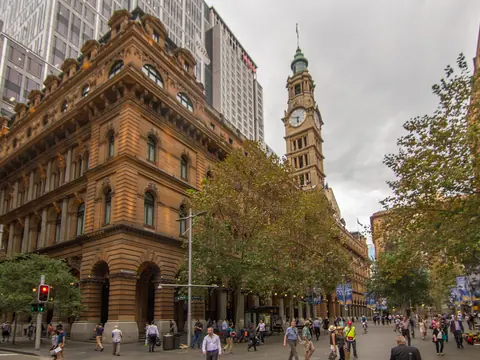
General Post Office Sydney, Australia · 1866-91 Built by: James Barnet (Colonial Architect)Status: StandingOn record: Colonial Architect James Barnet was appointed to design it in 1864, and the work ran 26 years in two stages, the first opening in 1874. Its clock tower also relayed weather messages by coloured flags. The tower was taken down in 1942 to reduce its visibility from the air and put back in 1964.The claim: Called a blatant example of Tartaria and Old World architecture. (a post in r/Tartaria) Photo: Maksym Kozlenko, CC BY-SA 4.0, via Wikimedia Commons. Resized. -
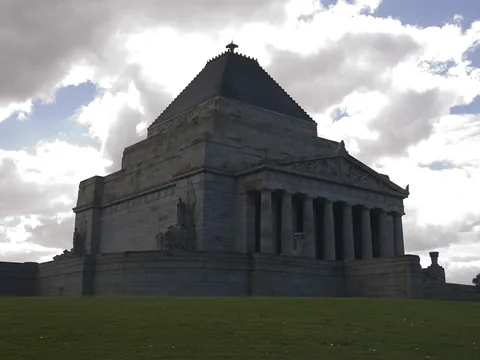
Shrine of Remembrance Melbourne, Australia · 1927-34 Built by: Philip Hudson, James Wardrop and Kingsley Ussher (architects)Status: StandingOn record: Philip Hudson, James Wardrop and Kingsley Ussher won the 1923 competition. Many ex-servicemen worked on it as depression sustenance labourers. It opened on 11 November 1934 before about 327,000 people, a third of Melbourne. A ray of light falls on the word love at 11am on 11 November.The claim: Its stated dates are doubted through a photo of men digging a trench nearby, labelled 1906. AAP FactCheck traced the photo to the Second World War. (tartariaaustralia Facebook group, reported by AAP FactCheck) Photo: Maksym Kozlenko, CC BY-SA 3.0, via Wikimedia Commons. Resized. -
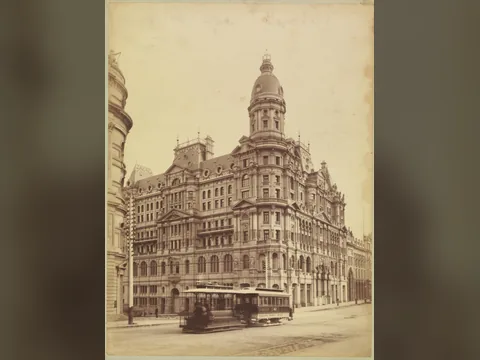
Federal Coffee Palace Melbourne, Australia · 1888 Built by: Ellerker and Kilburn with William Pitt (architects), for James Mirams and James MunroStatus: DemolishedOn record: Ellerker and Kilburn won the competition and joined the runner-up, William Pitt. Finished in 1888 for James Mirams and James Munro, it was then the largest hotel in Australia, with nearly 500 rooms. It opened as a temperance hotel, failed, took a liquor licence, and was sold in 1972 and demolished.The claim: Said to have been beyond the builders of the 1800s, who had no power tools. (a Facebook post, reported by AAP FactCheck) J. W. Lindt, 1890s, public domain, via National Gallery of Victoria and Wikimedia Commons. -
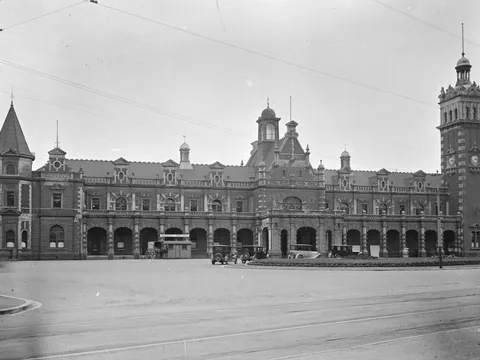
Dunedin Railway Station Dunedin, New Zealand · 1903-07 Built by: George Troup (New Zealand Railways chief draughtsman)Status: StandingOn record: George Troup, chief draughtsman of the railways, won the design competition. Built in basalt with Oamaru stone dressings on about 600 piles driven through reclaimed land, it officially opened in 1906 and was completed in 1907. Its lobby floor is a mosaic showing a locomotive.The claim: Said to predate the European settlement of New Zealand and to have been built by the Tartarian empire. (reported by The Spinoff) Albert Percy Godber, about 1926, public domain, via Alexander Turnbull Library and Wikimedia Commons. -
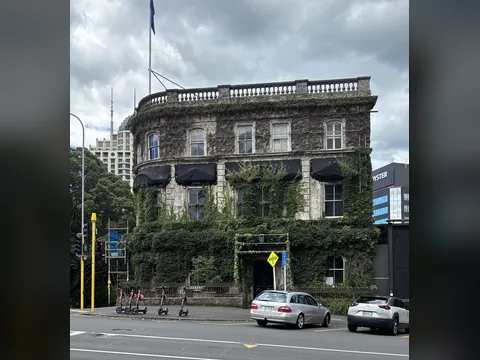
Northern Club Auckland, New Zealand · 1866-67 Built by: James Wrigley (architect), as the Imperial HotelStatus: StandingOn record: James Wrigley designed it as the Imperial Hotel, erected in 1866-67, with part of the first floor an officers' mess for British soldiers. The Northern Club bought it in 1869. It is brick plastered to imitate stone, and Virginia creeper planted in 1927 covers its main fronts.The claim: Said to be too large and complex for 19th-century settlers to have built, with basement windows flooded by mud. (reported by The Spinoff) Photo: Paora, CC0, via Wikimedia Commons. -
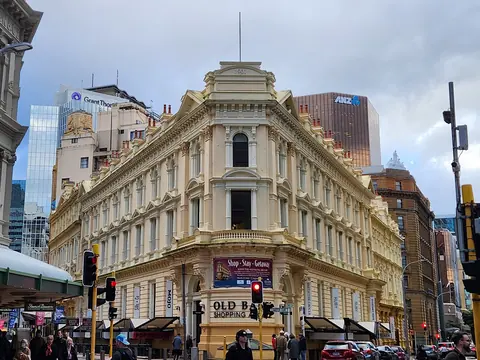
Old Bank Arcade Wellington, New Zealand · 1899-1901 Built by: Thomas Turnbull and Son (architects); T. Carmichael (contractor)Status: StandingOn record: Thomas Turnbull and Son drew the plans in 1899 and the Bank of New Zealand head office opened on 1 July 1901. Timbers of the Inconstant, the barque John Plimmer turned into a warehouse, were found on the site in 1899. Its frieze and balustrade were removed against earthquakes; it now holds shops.The claim: Named as a Tartarian building, in a video that dwells on the idea that a basement should not have windows. (David Obeda (King Dave, Self-Taught NZ), reported by Mark Honeychurch, NZ Skeptics) Photo: Panamitsu, CC BY-SA 4.0, via Wikimedia Commons. Resized.
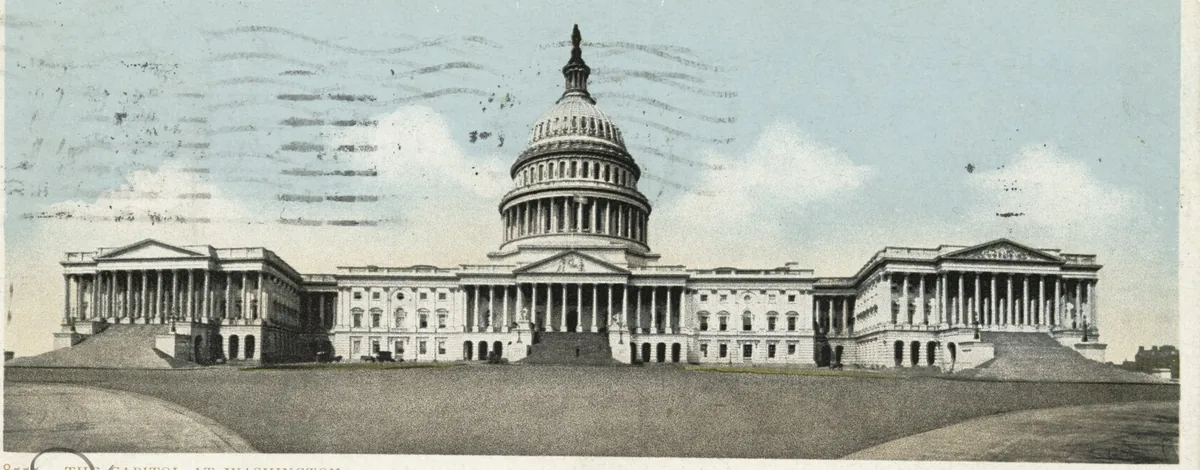
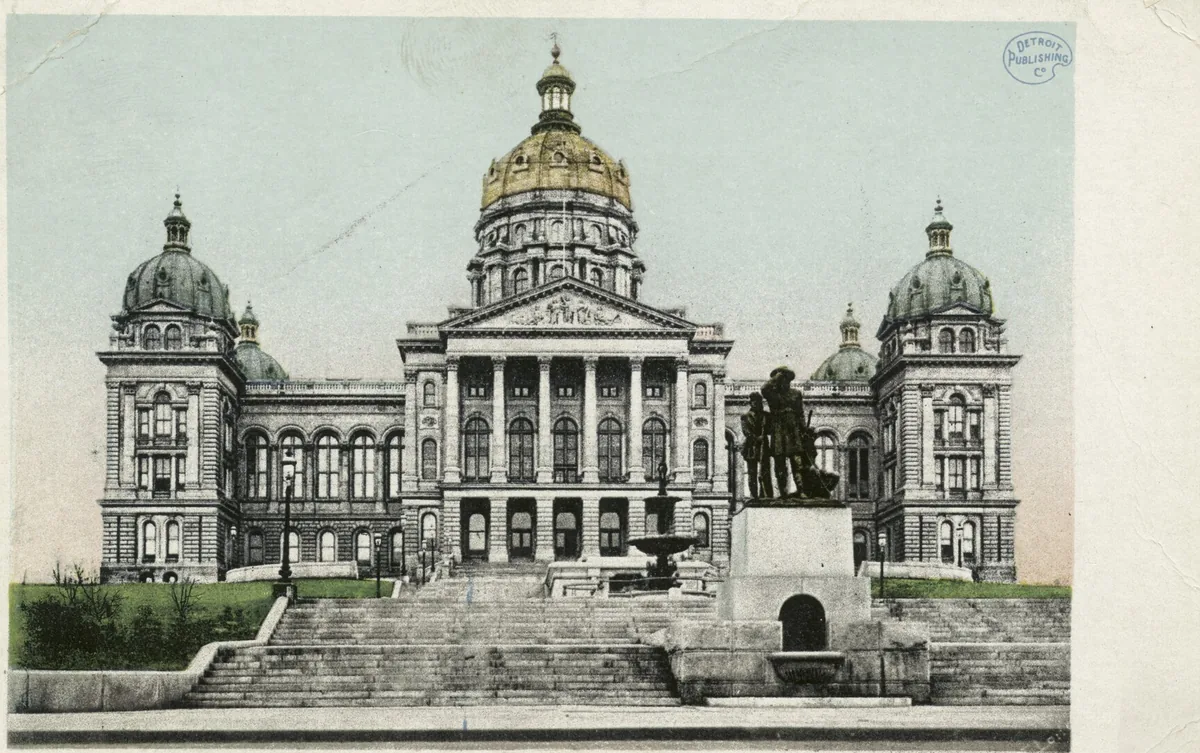
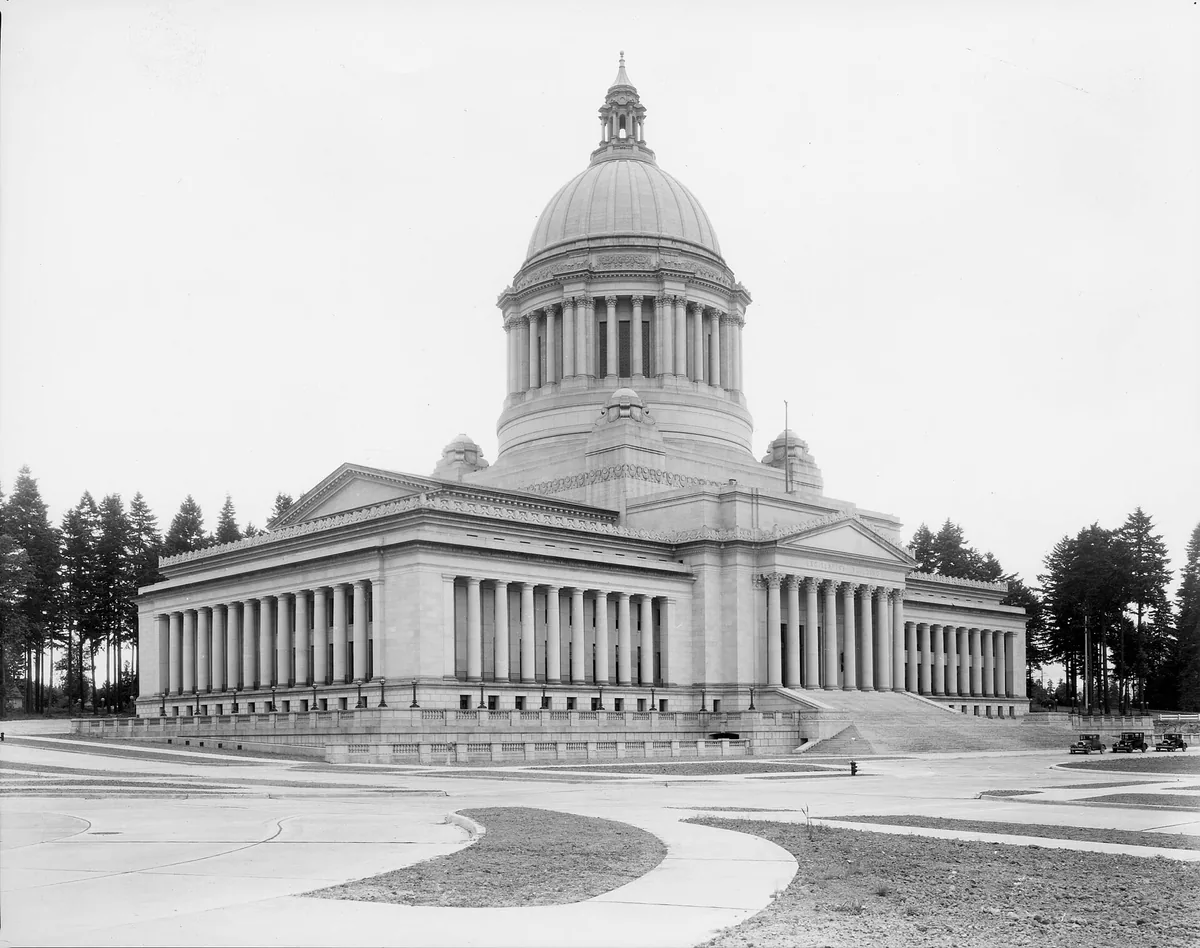
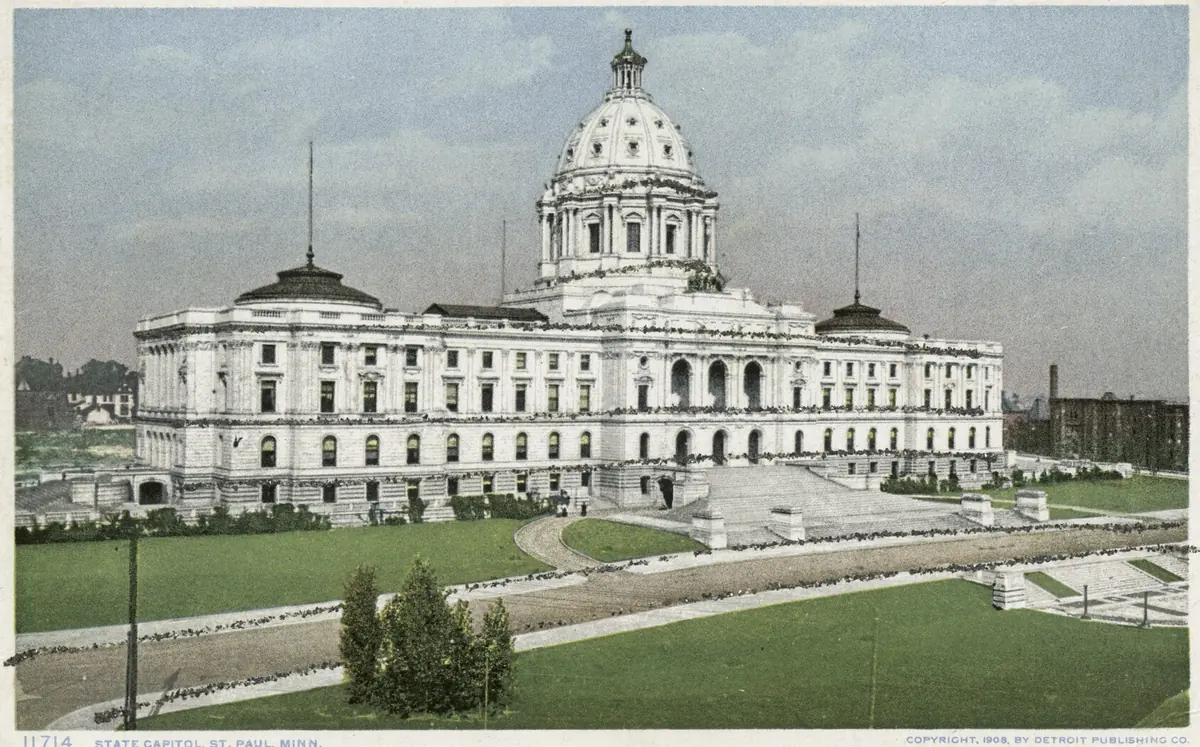
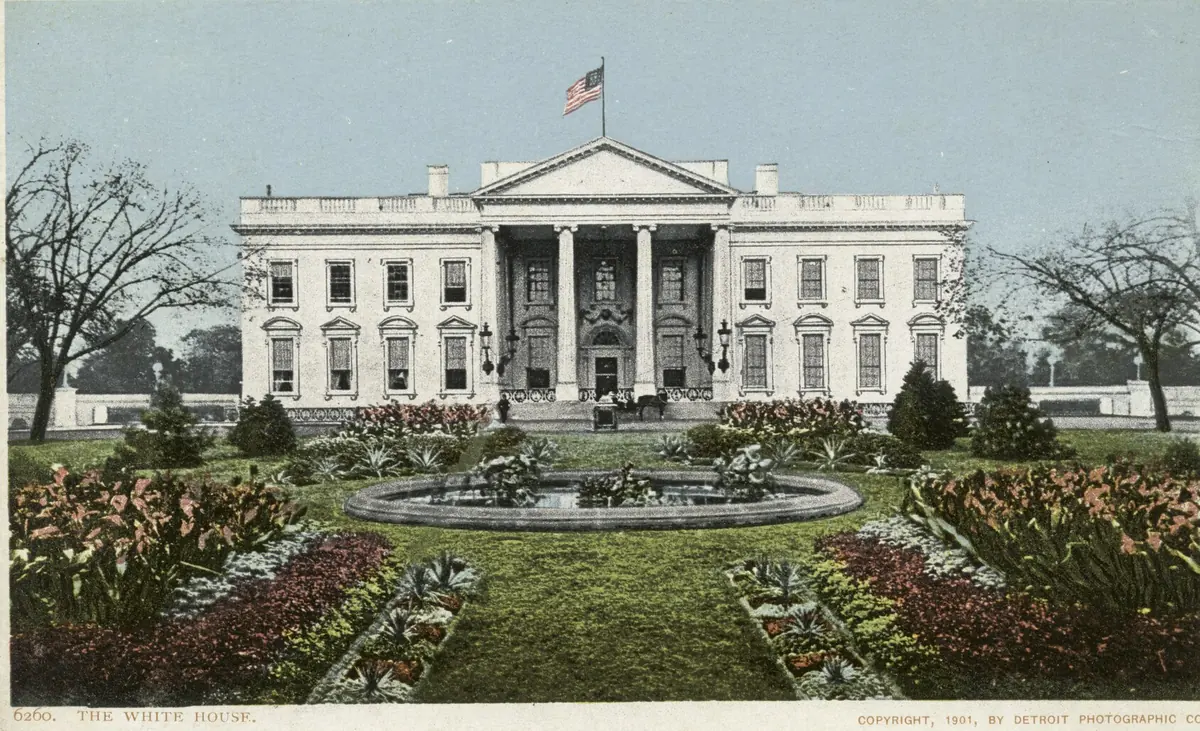
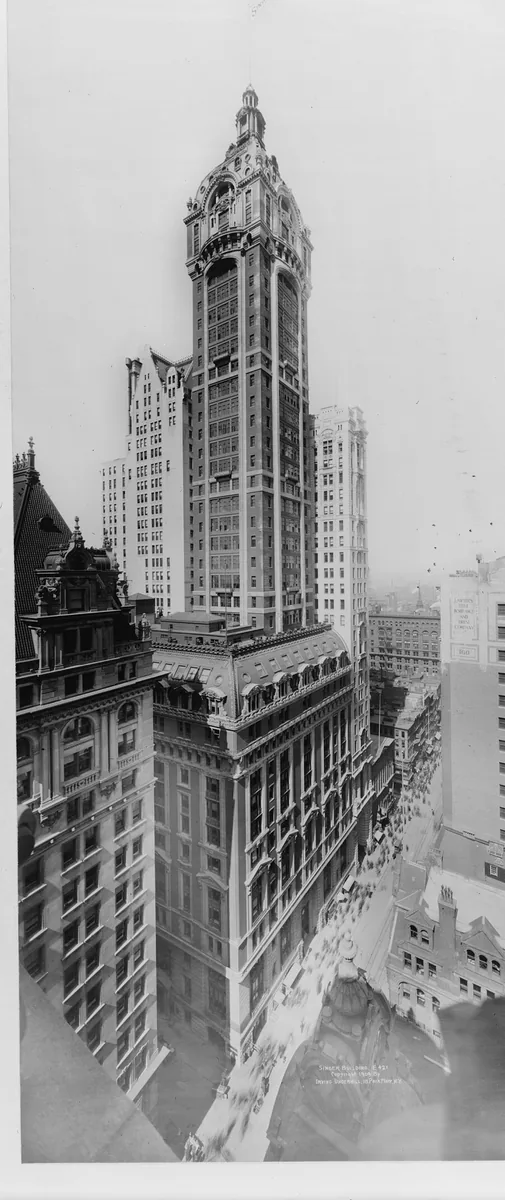
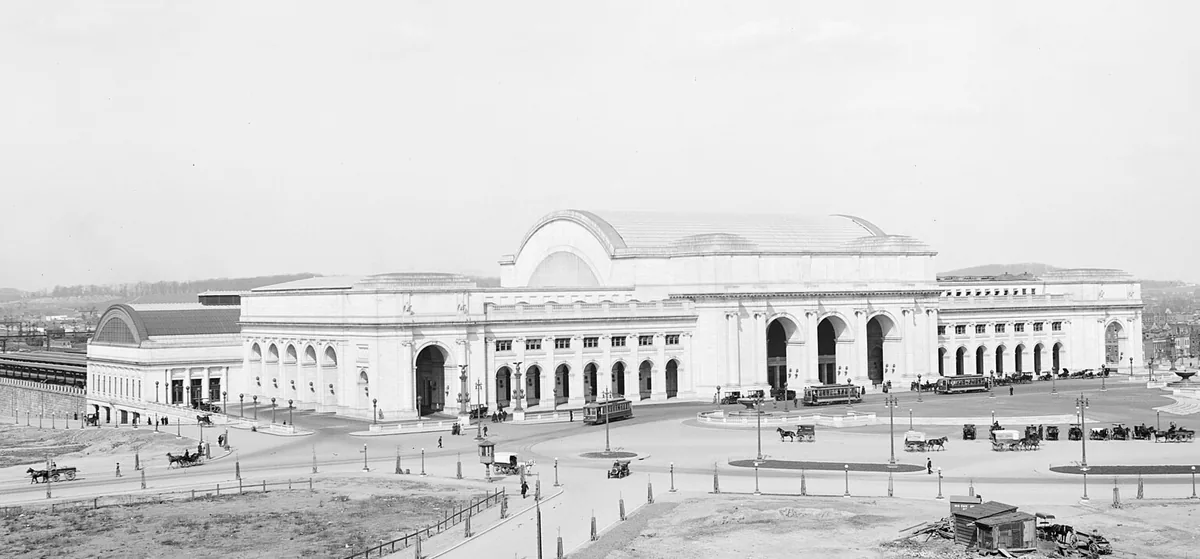
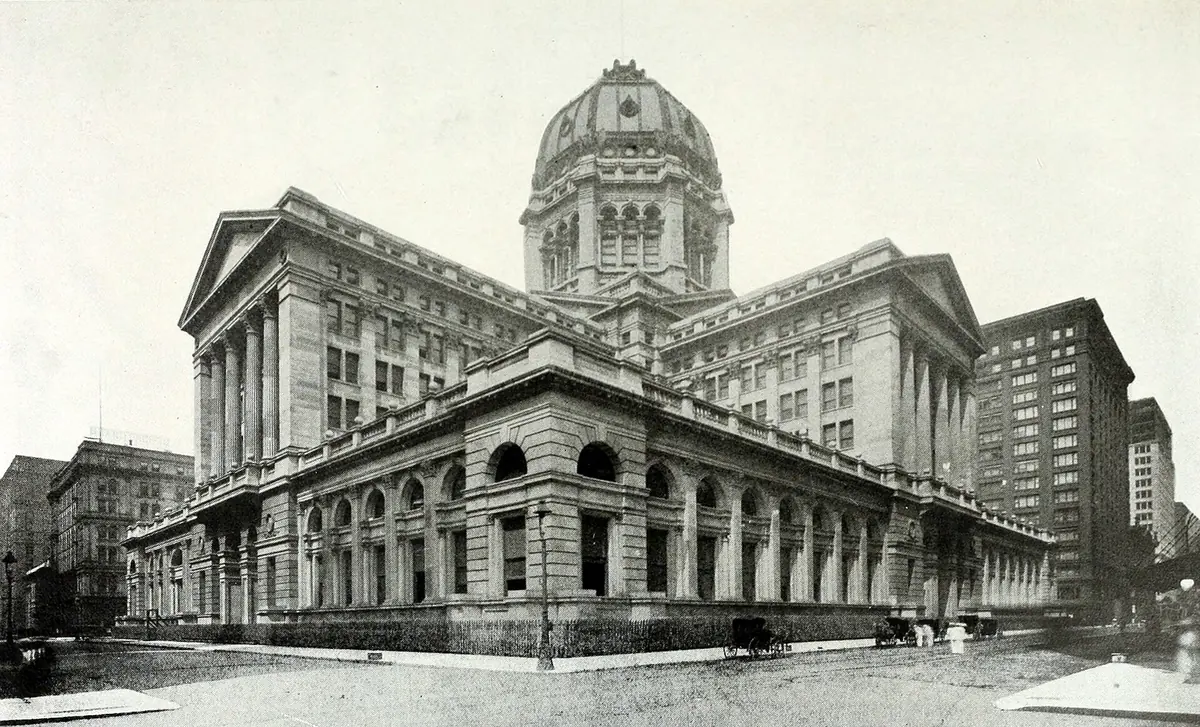
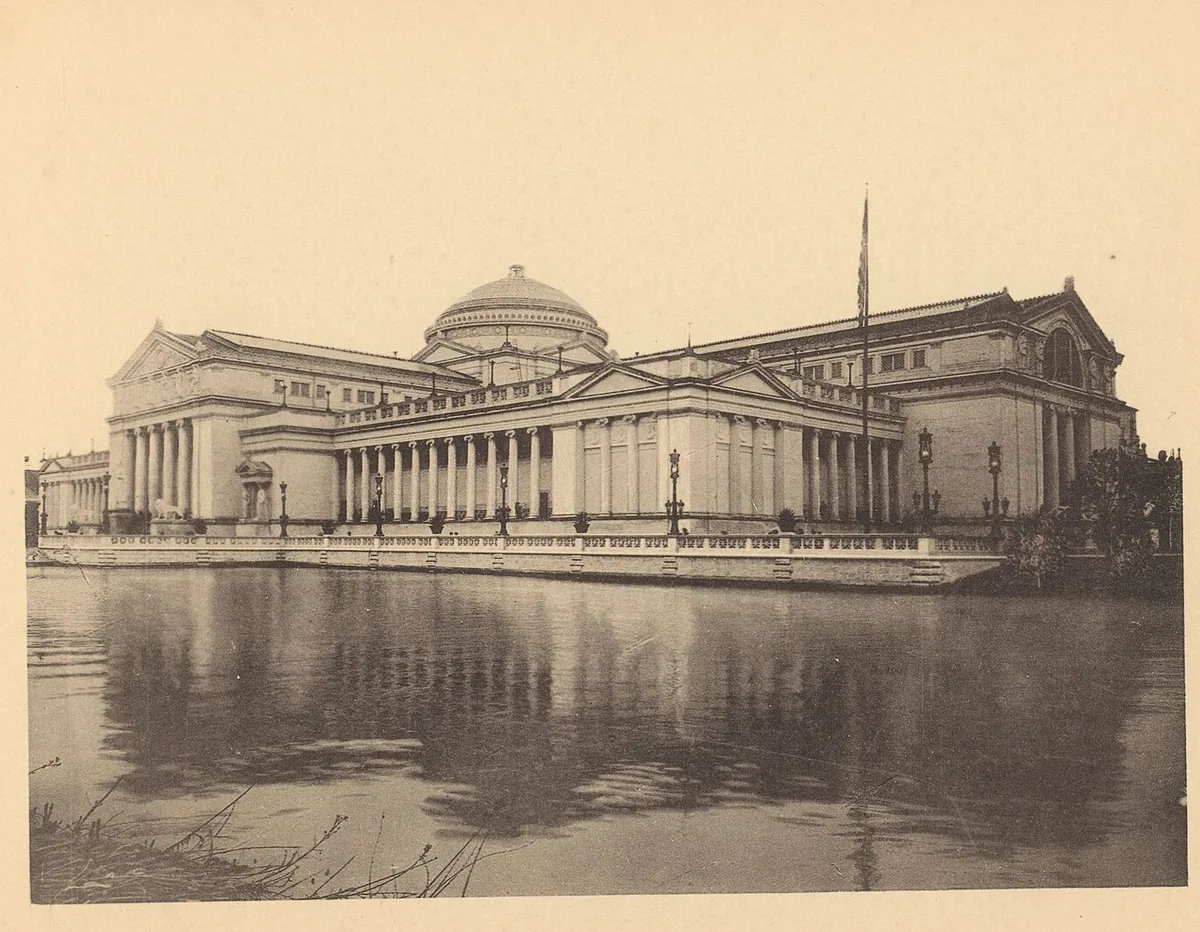
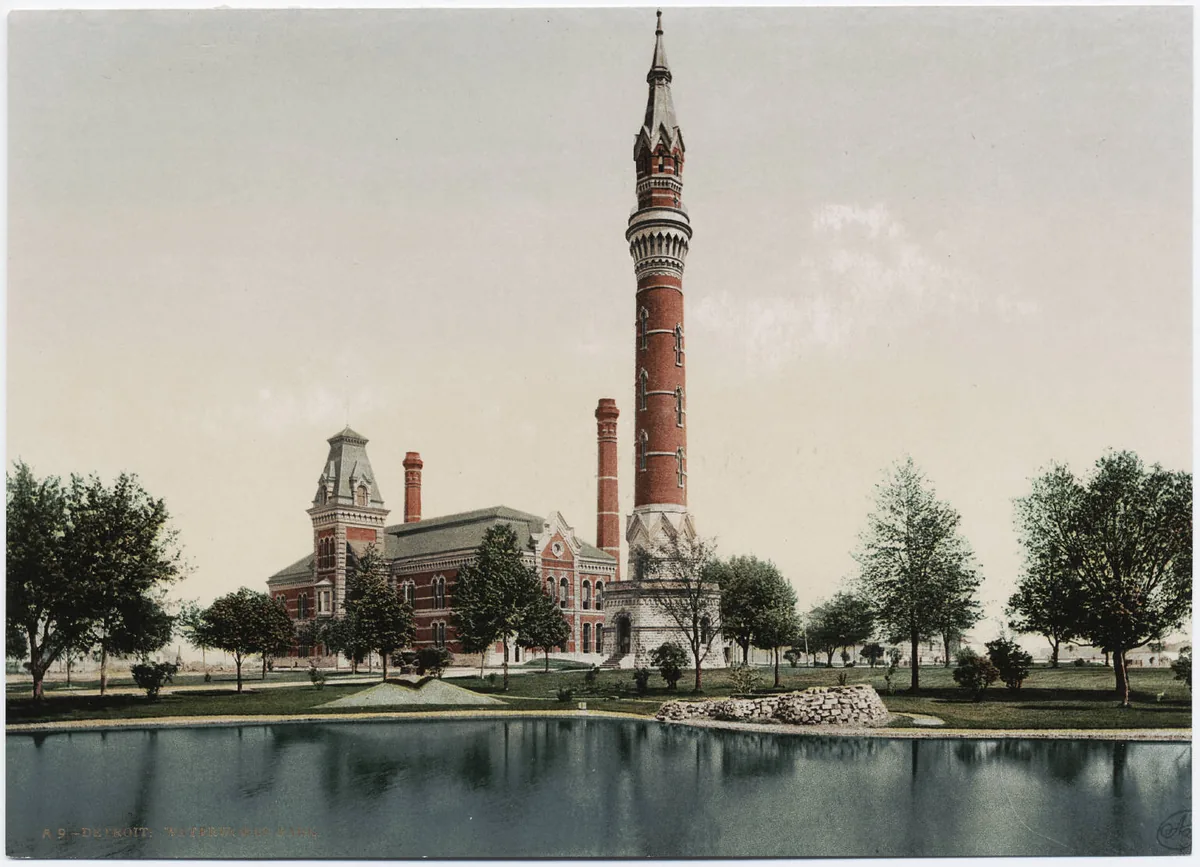
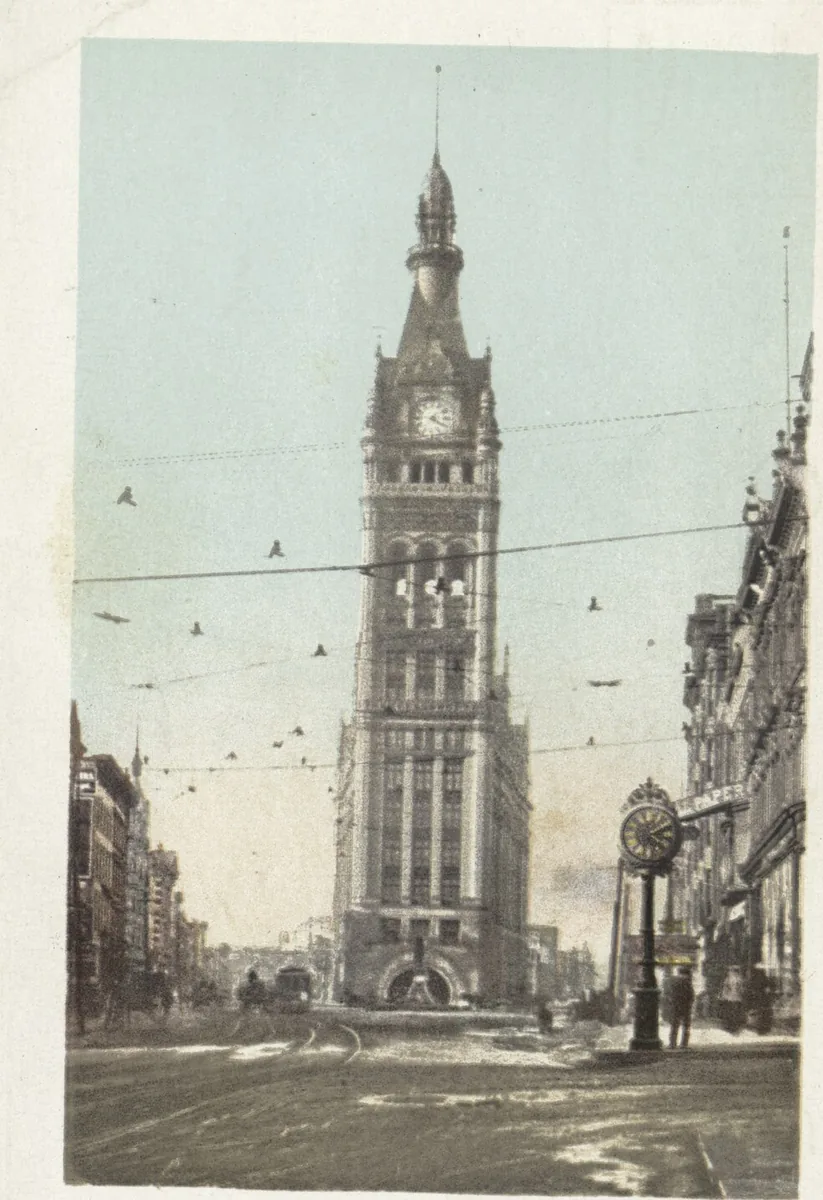
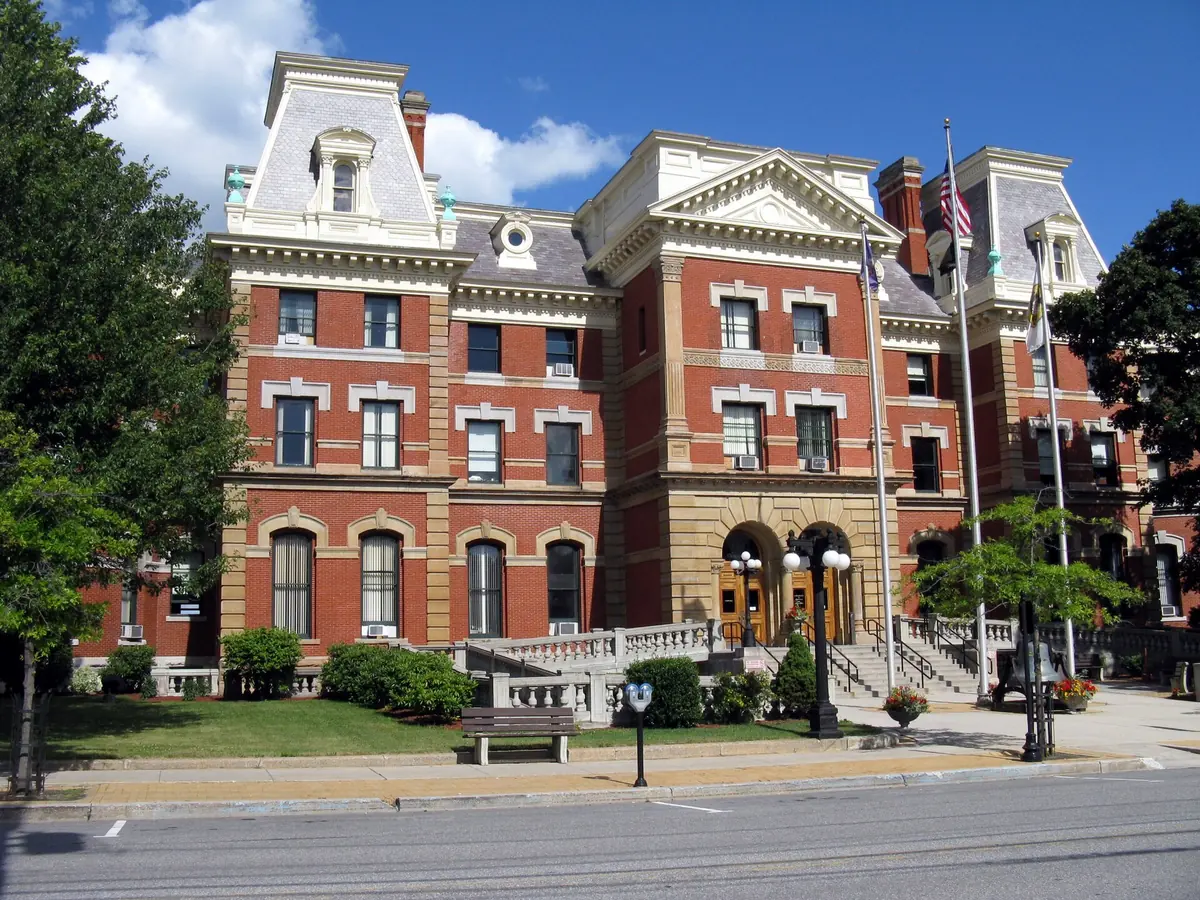
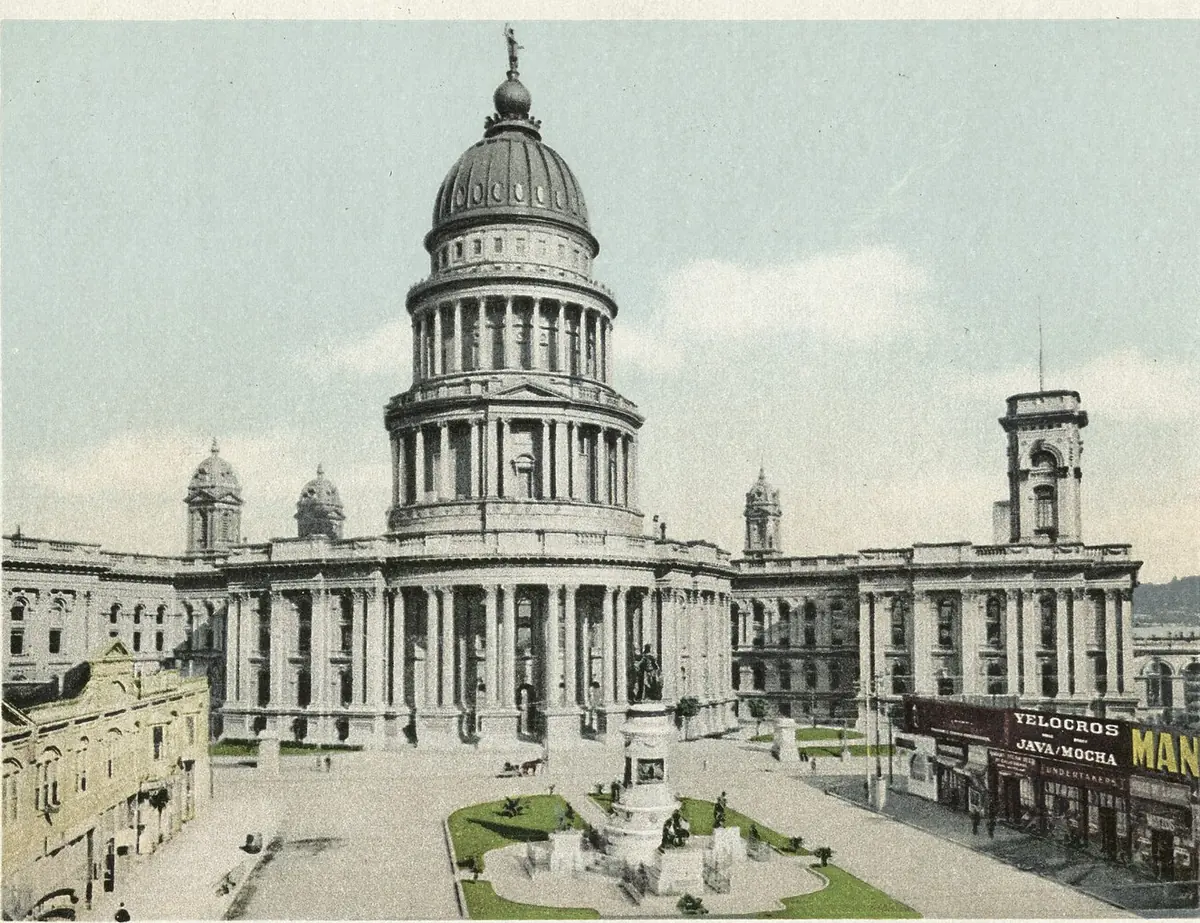
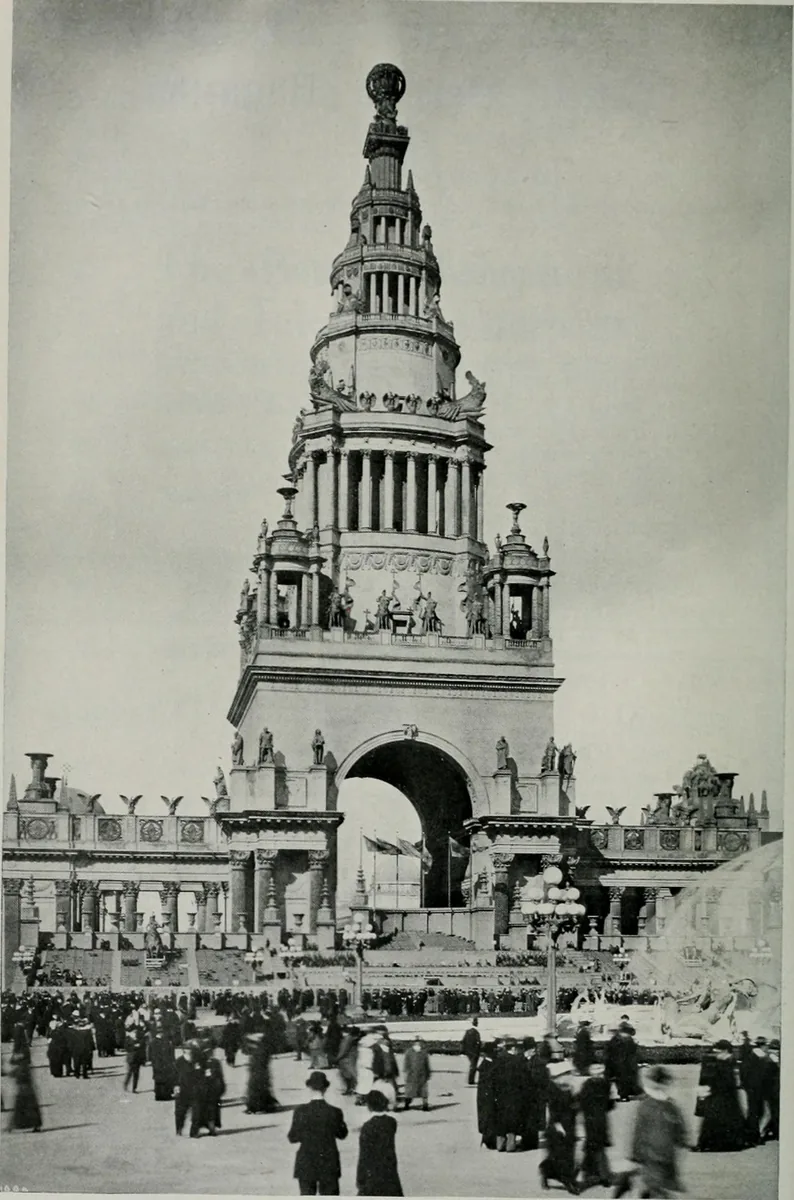
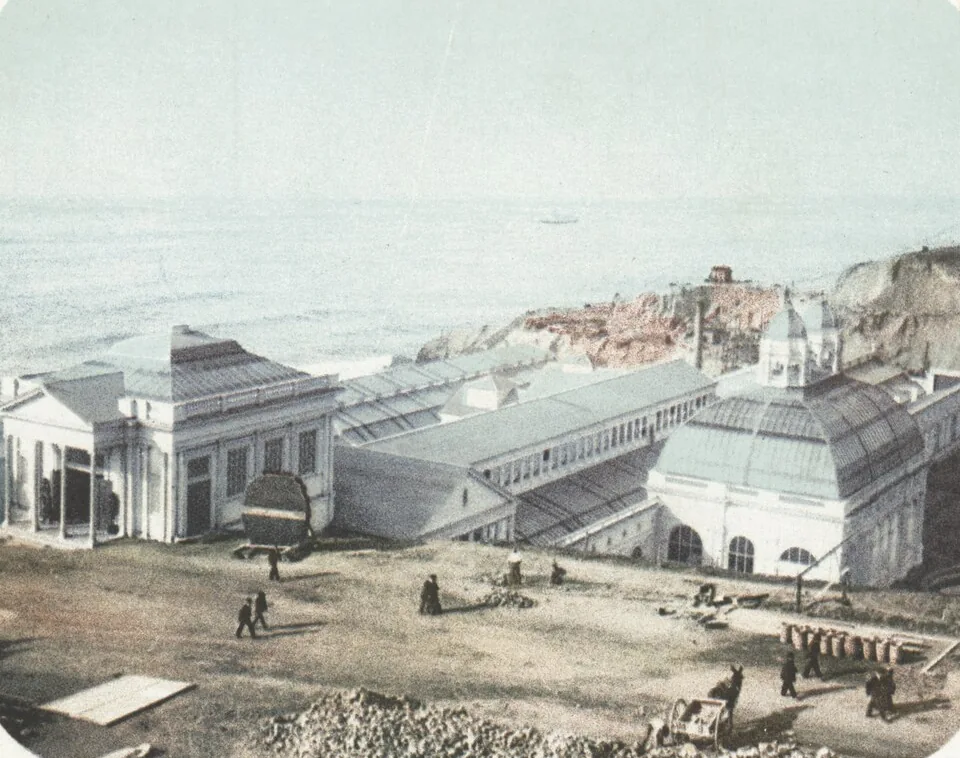
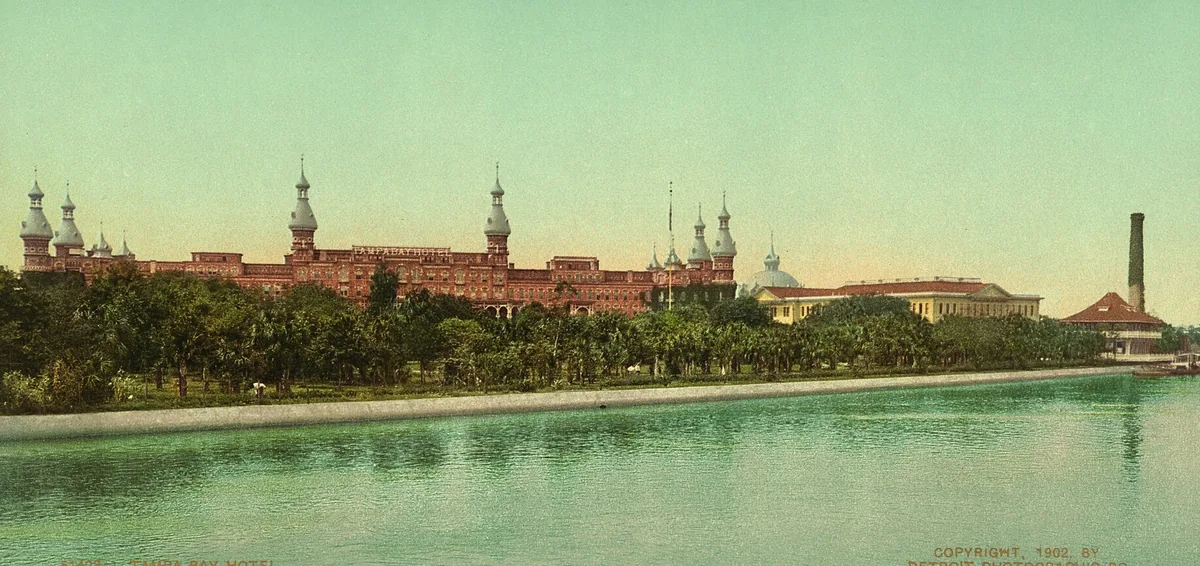
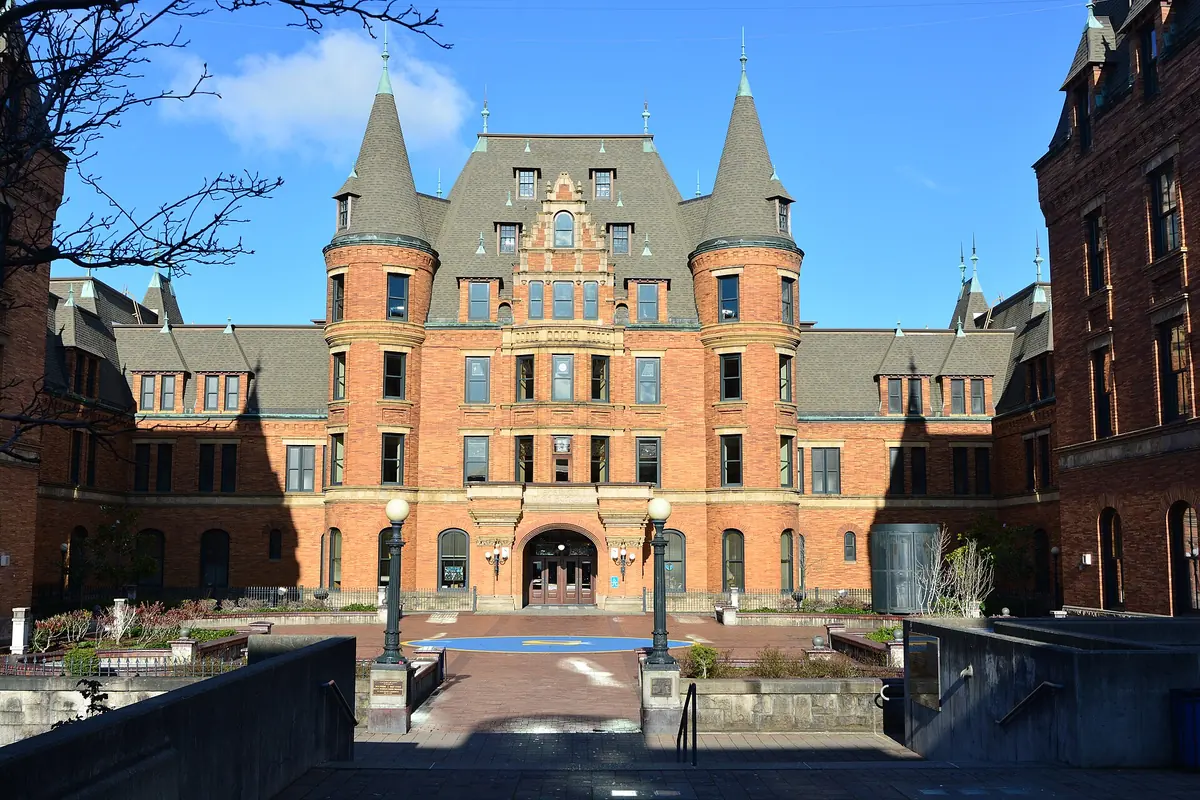
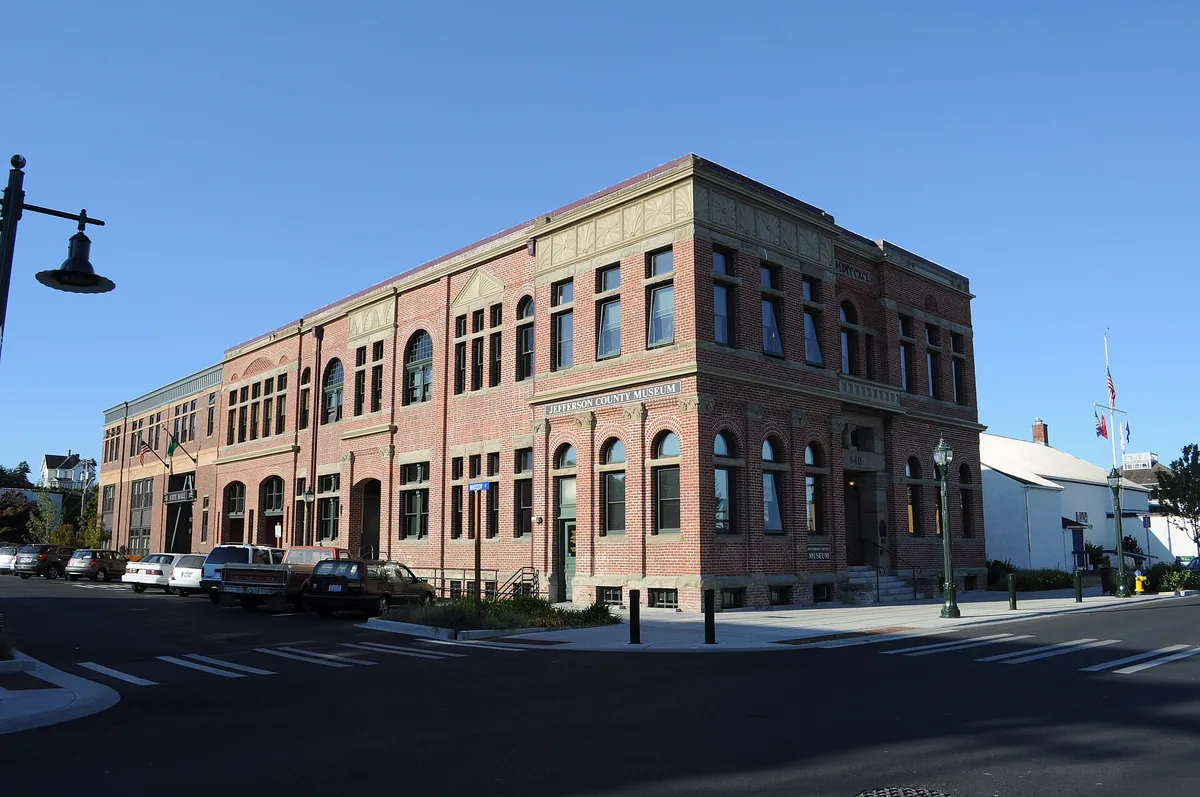
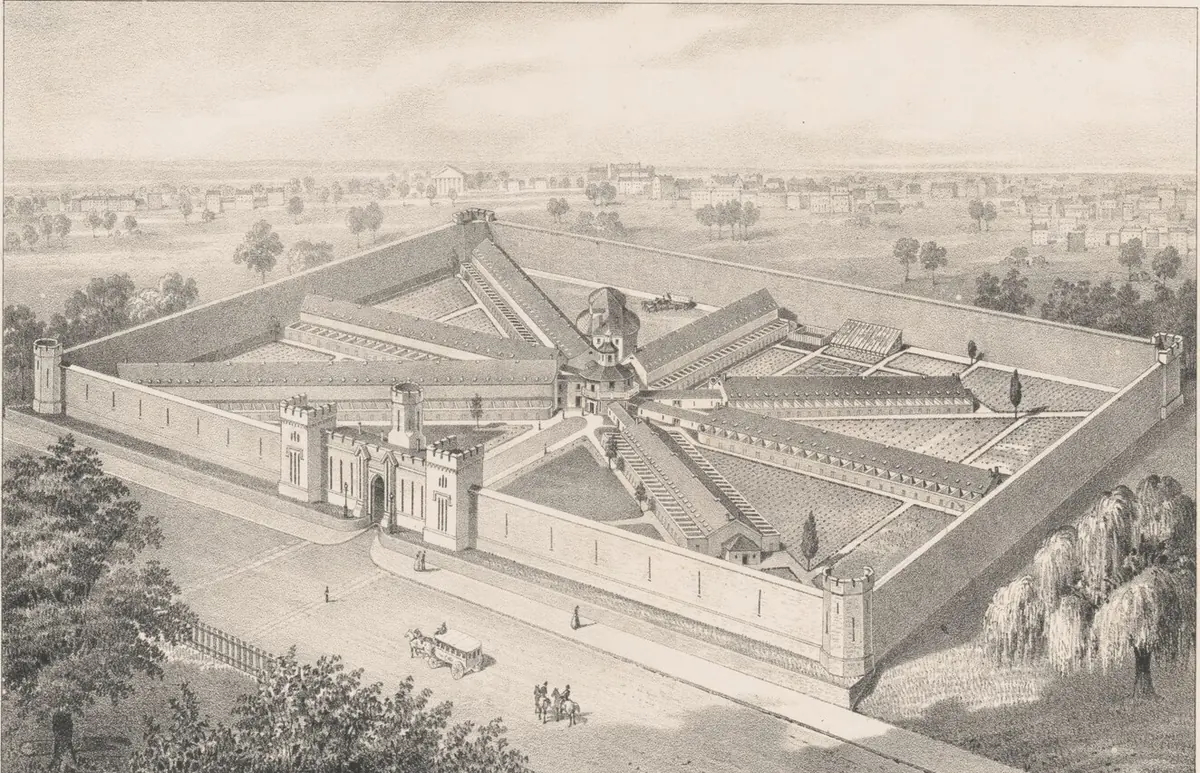
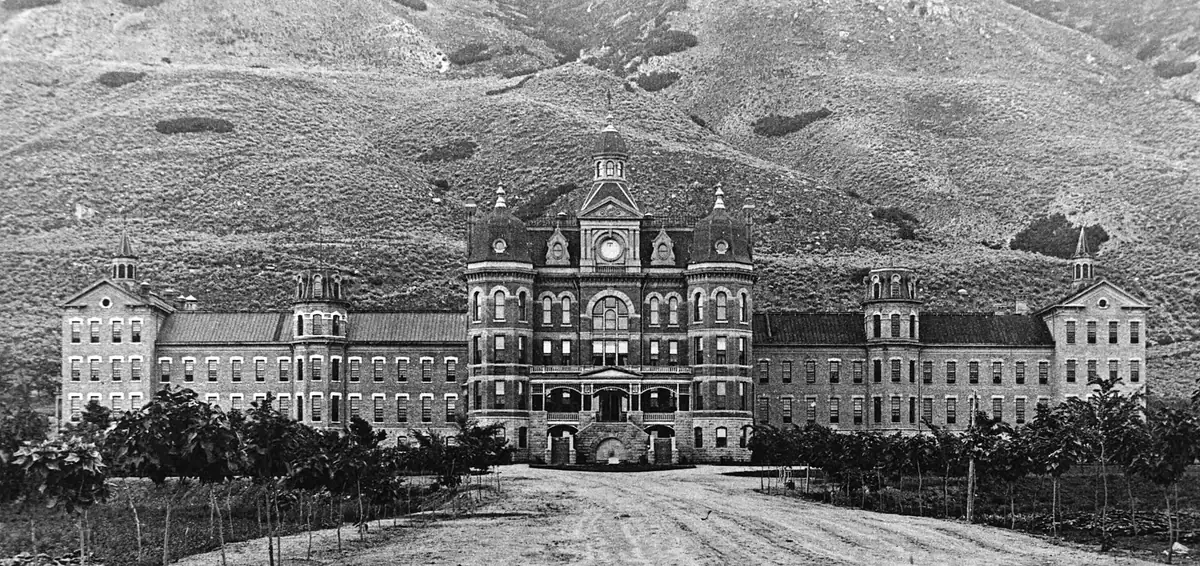
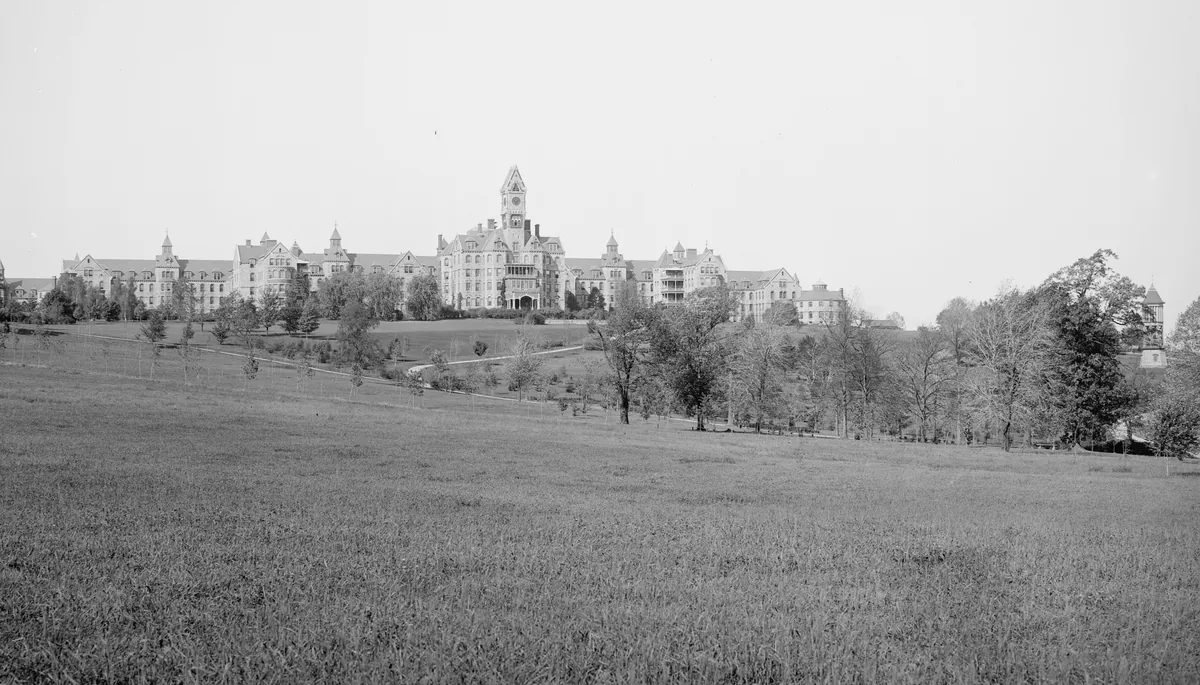
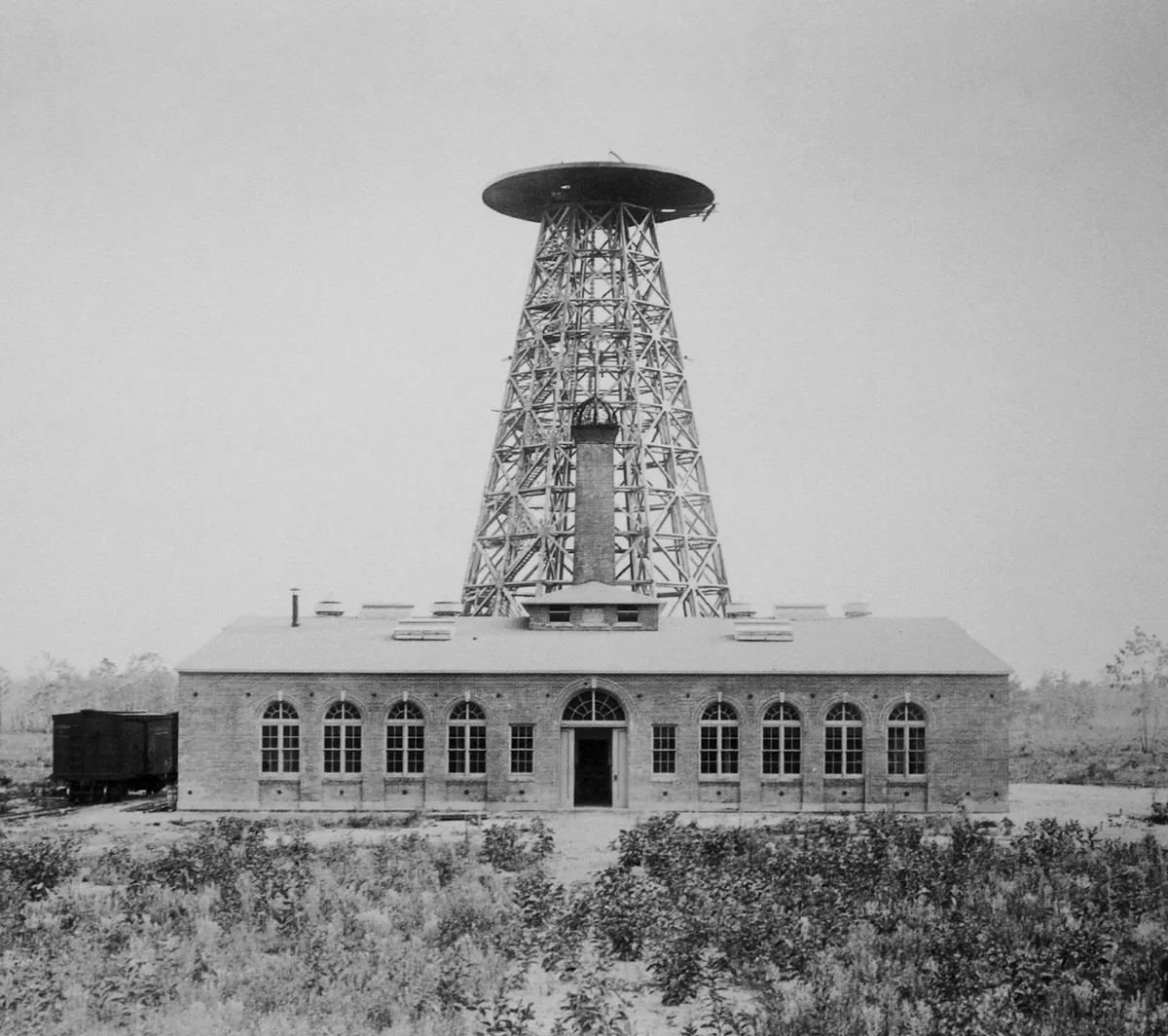
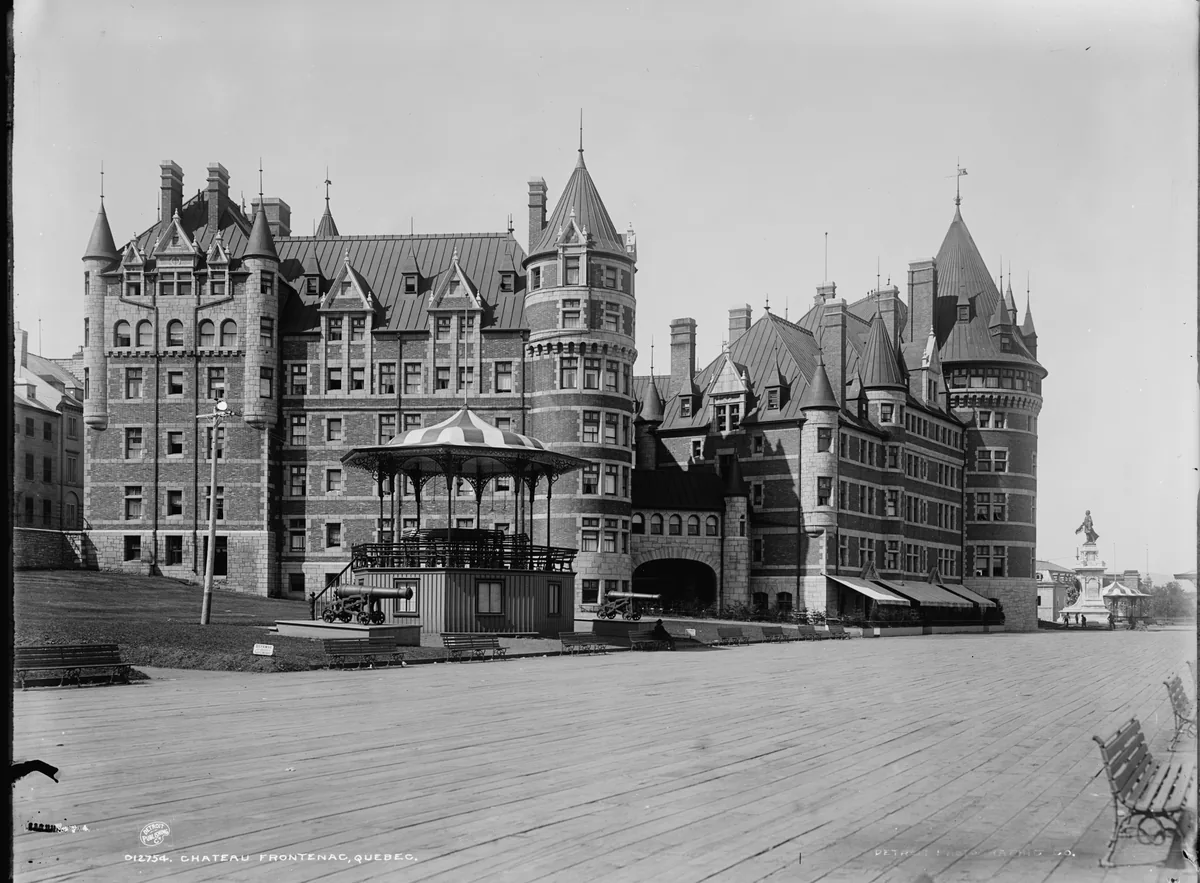
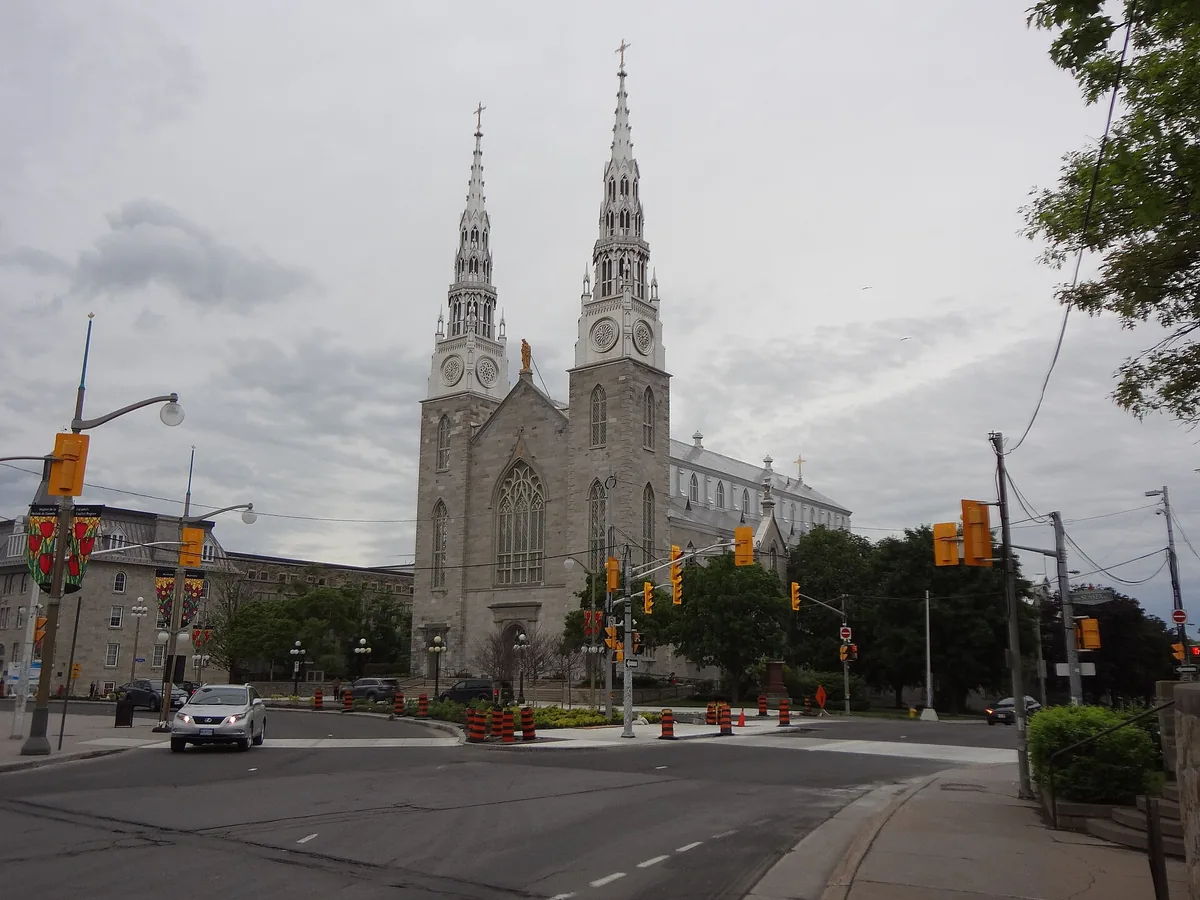
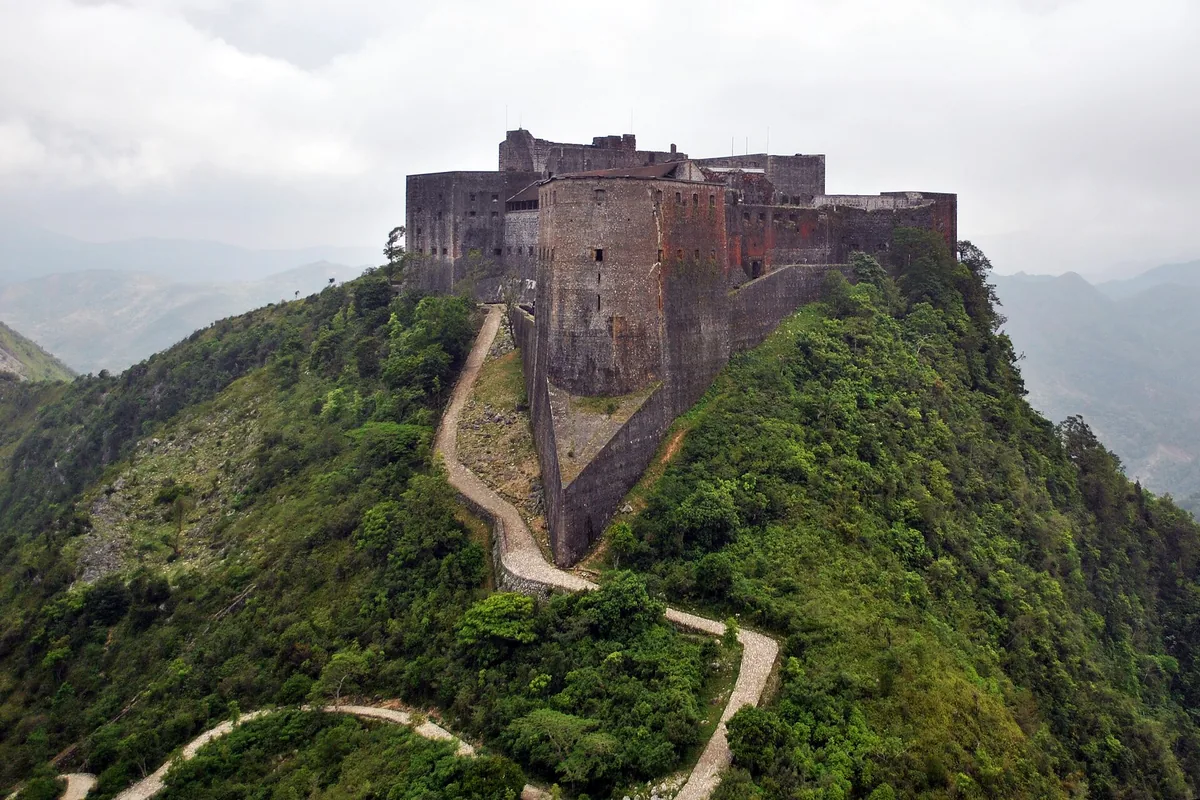
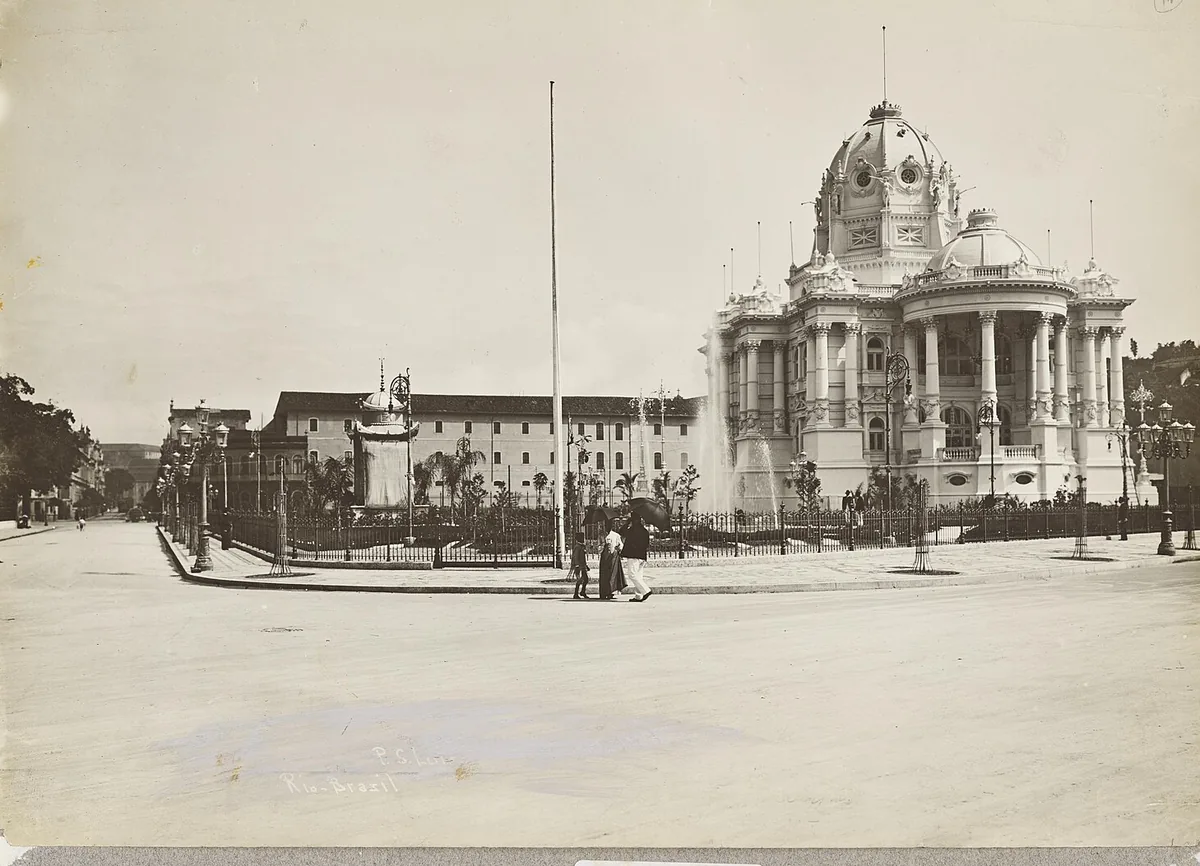
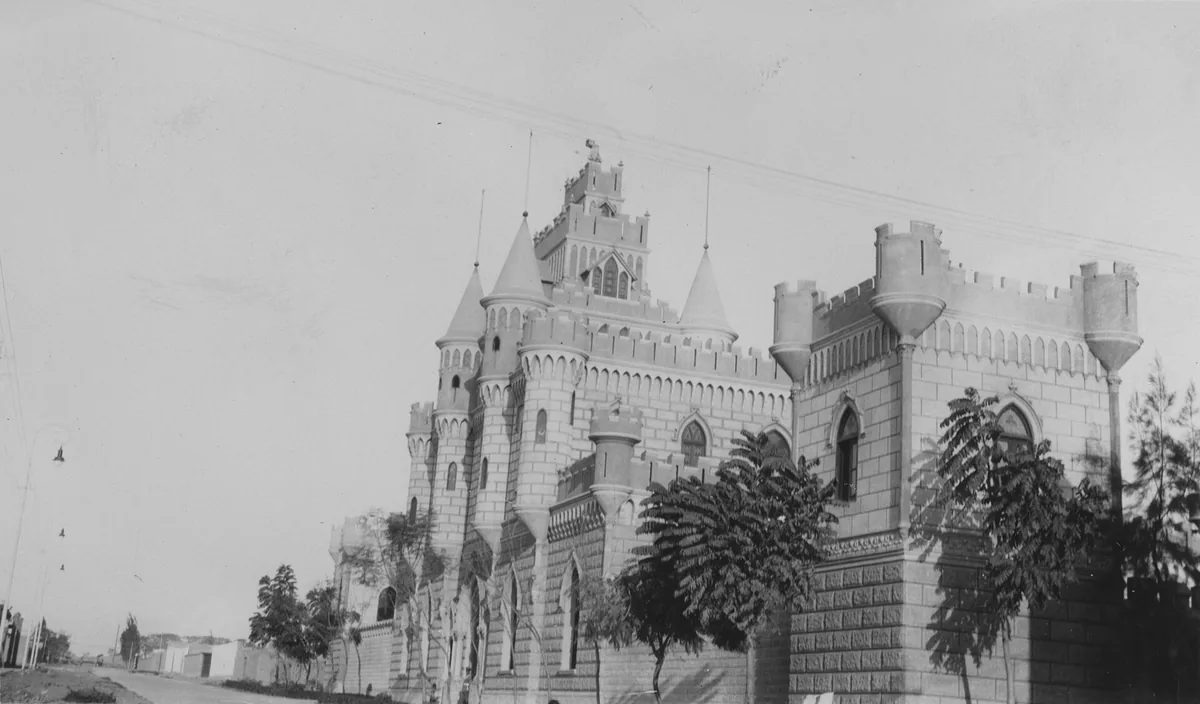
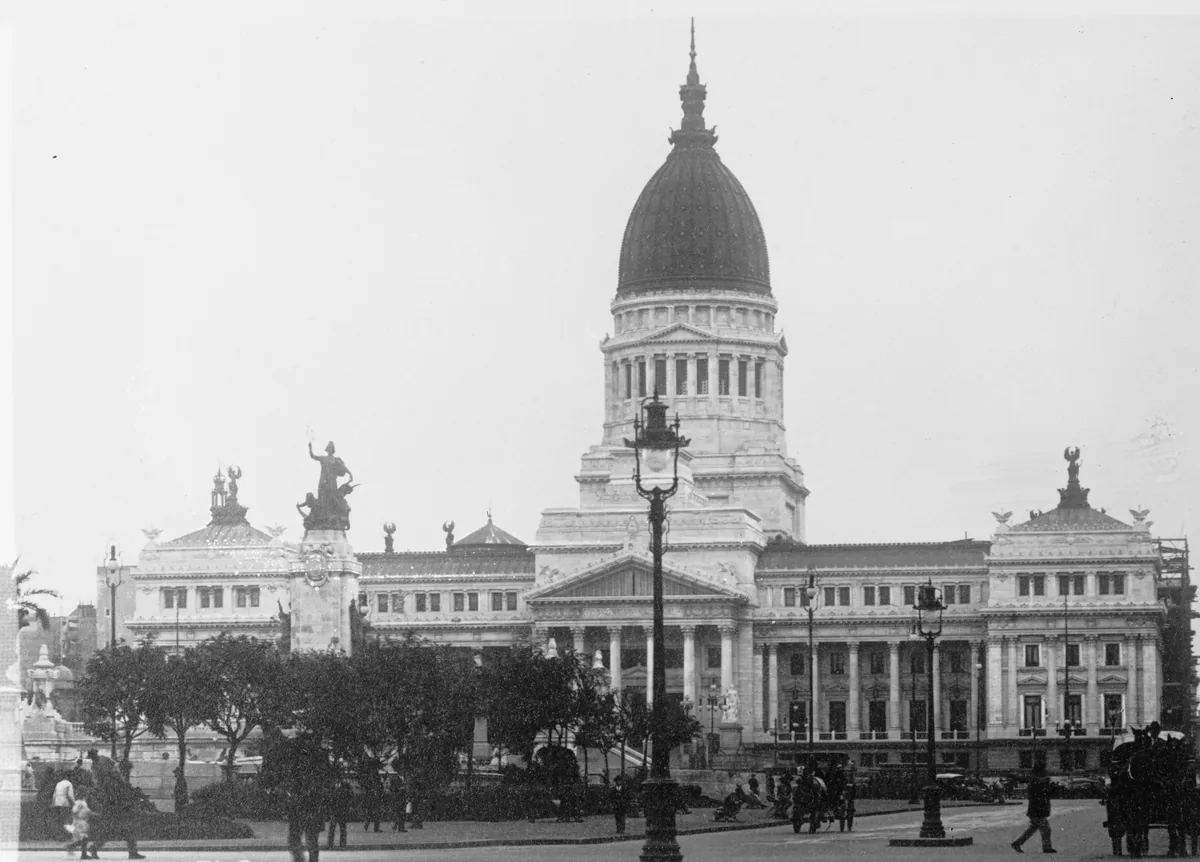
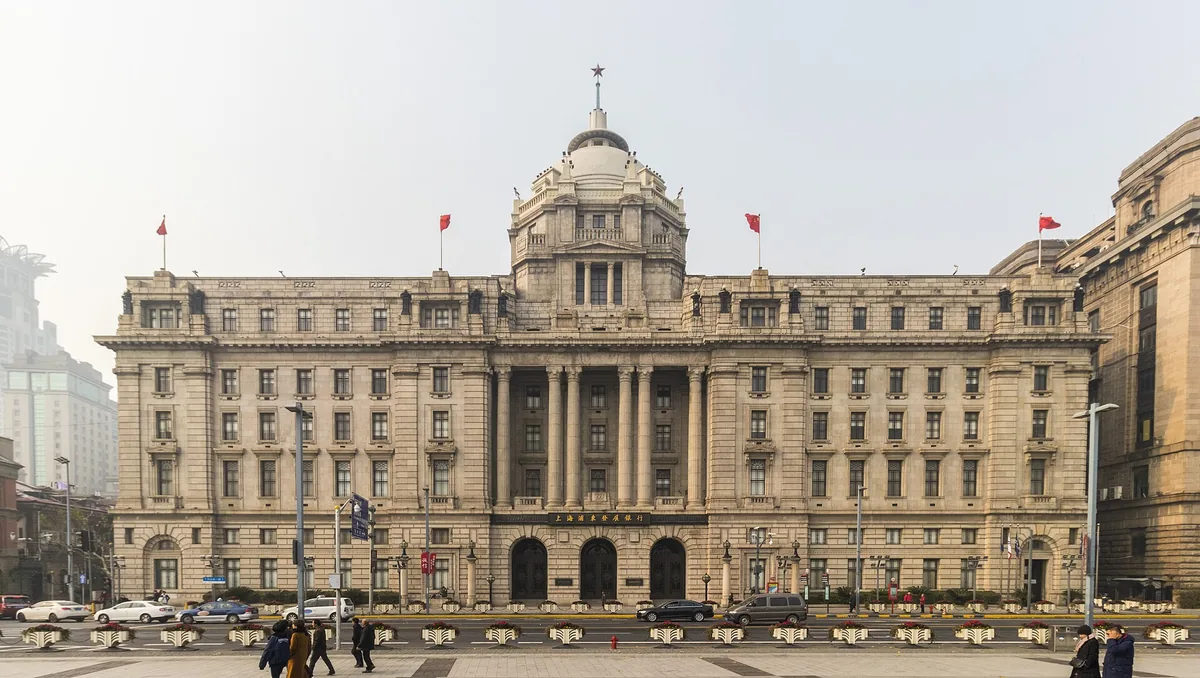
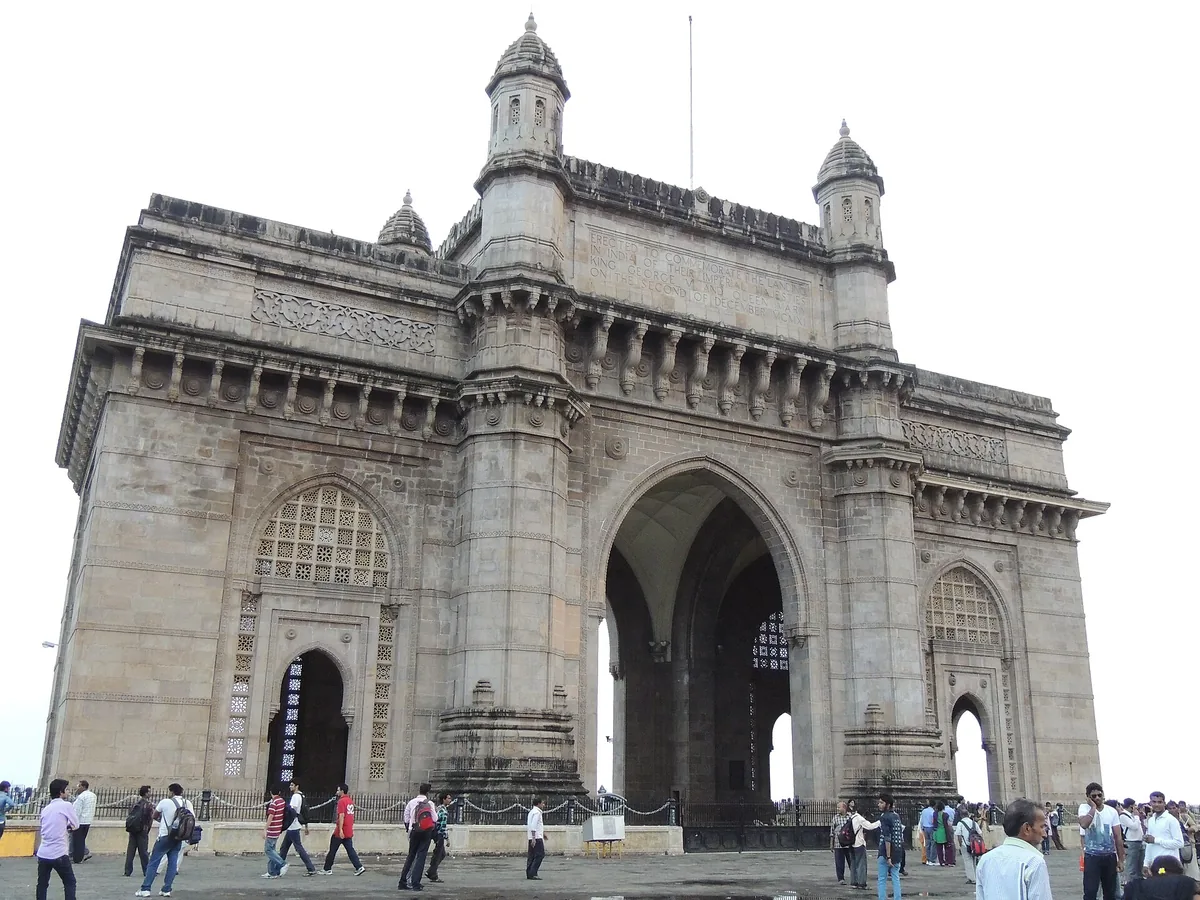
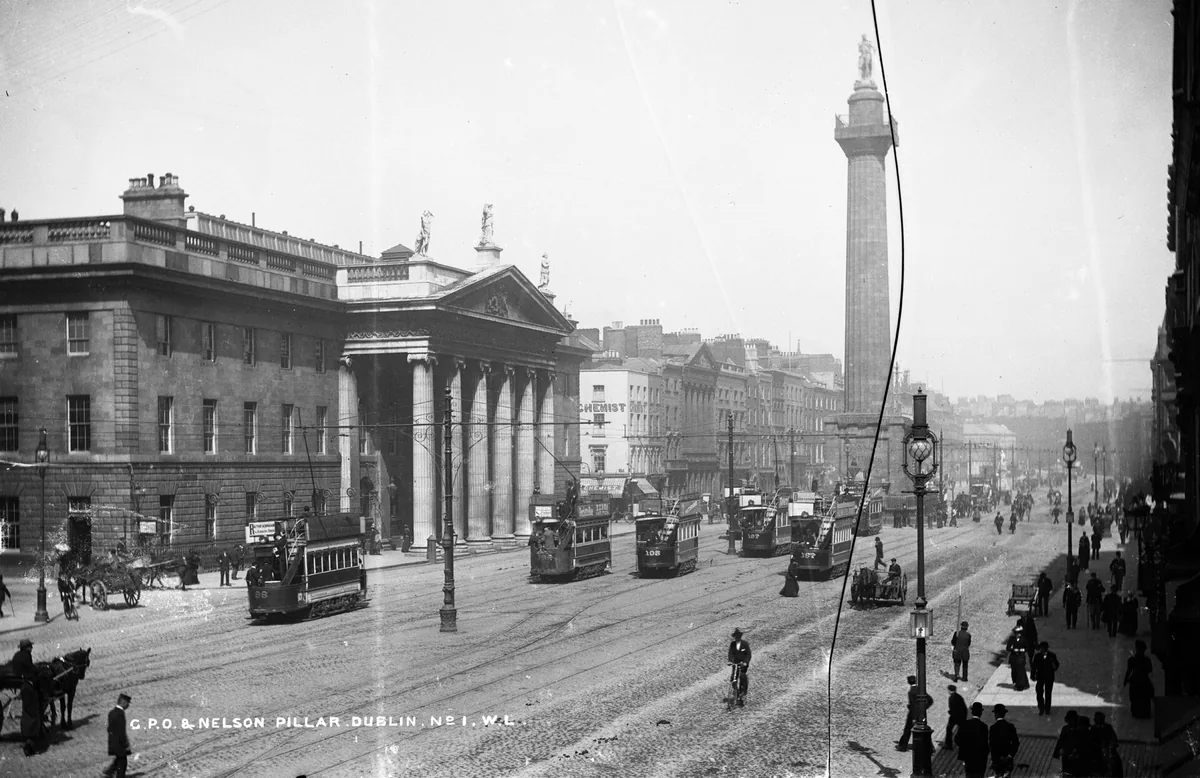
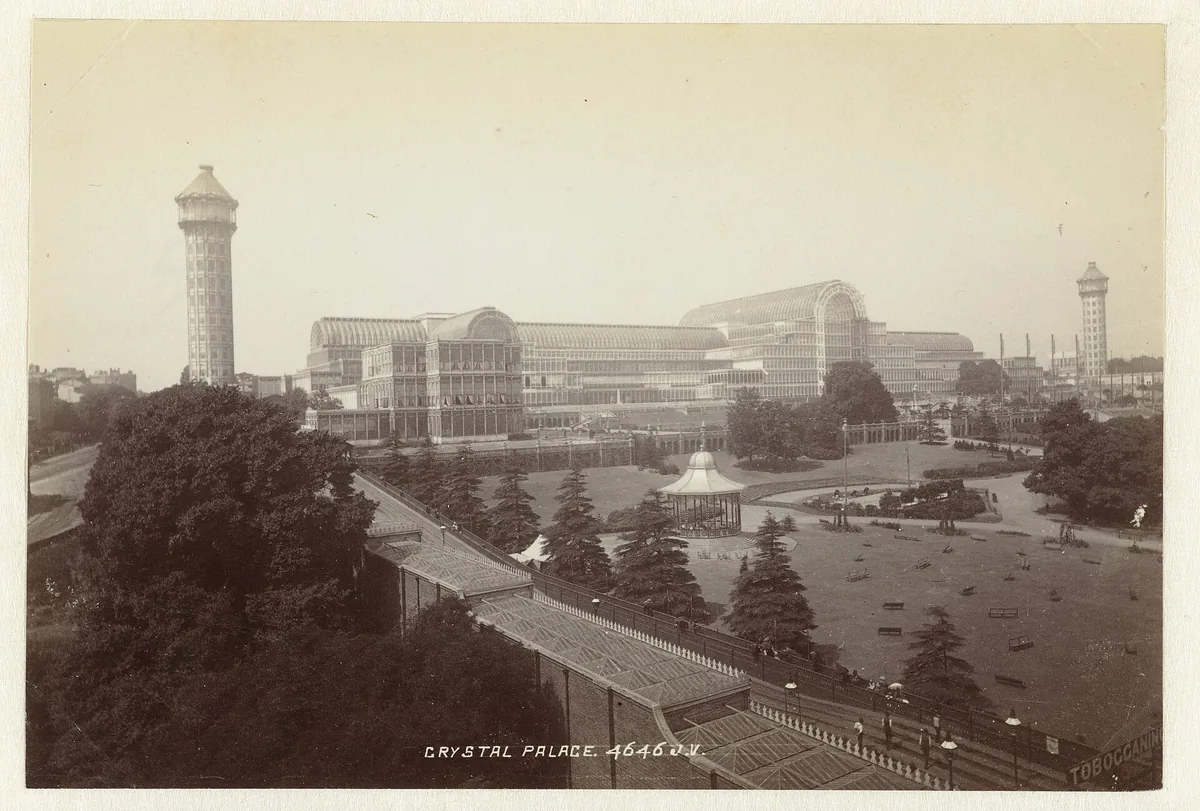
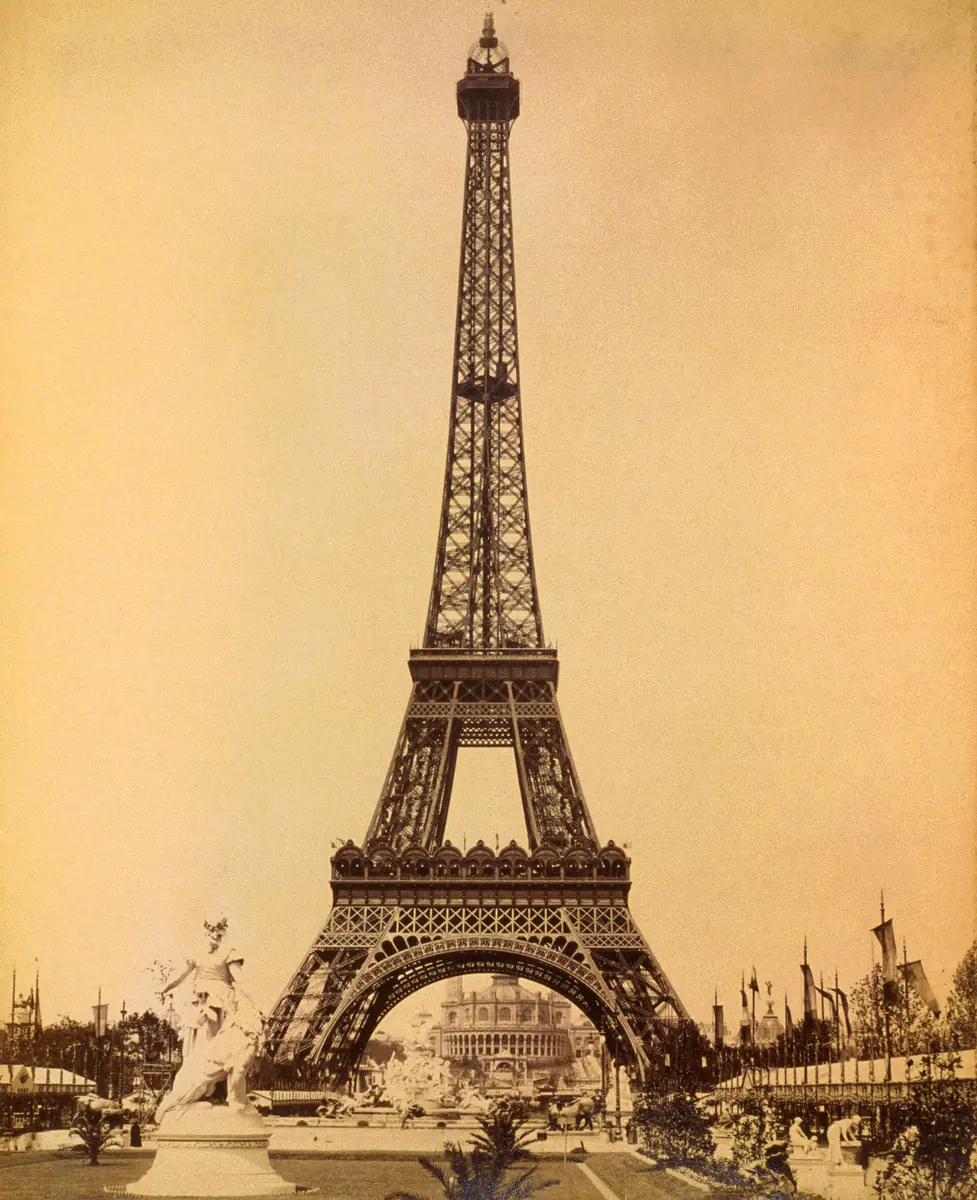
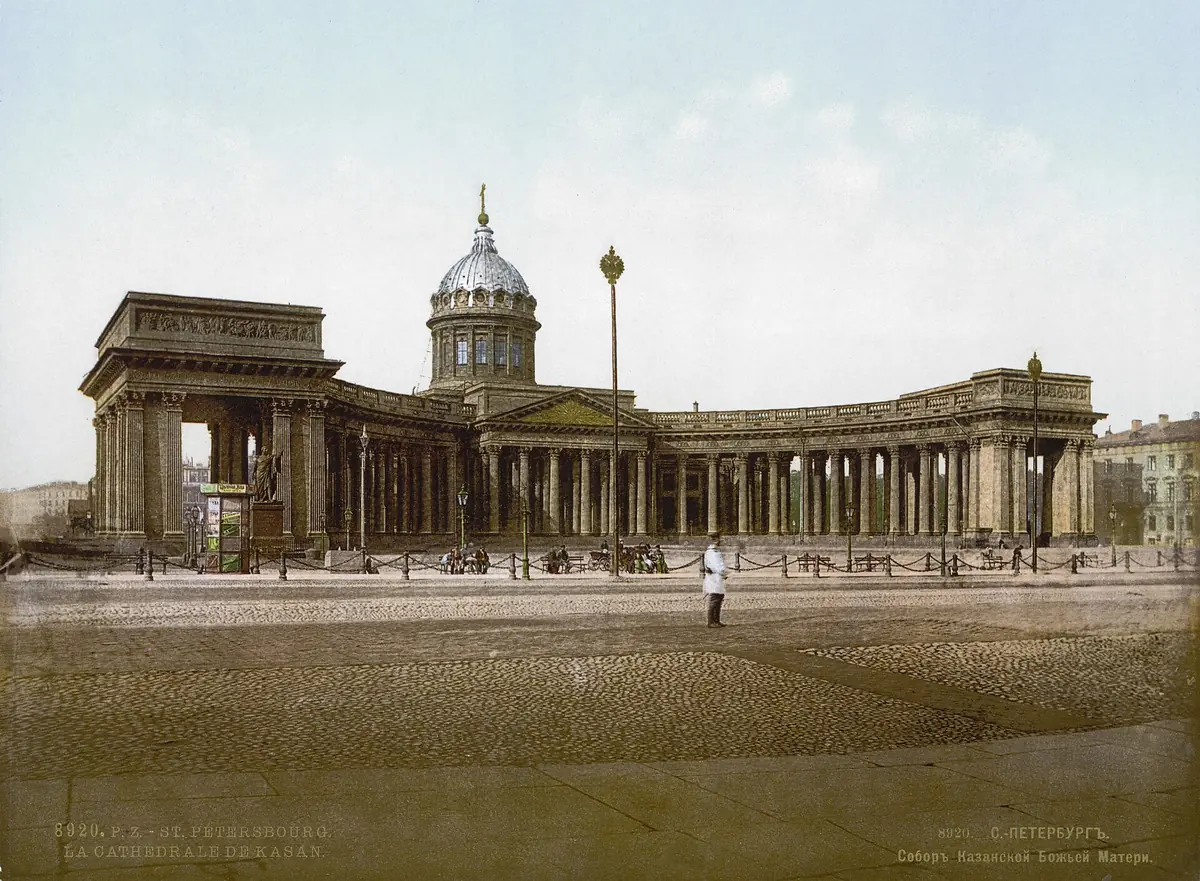
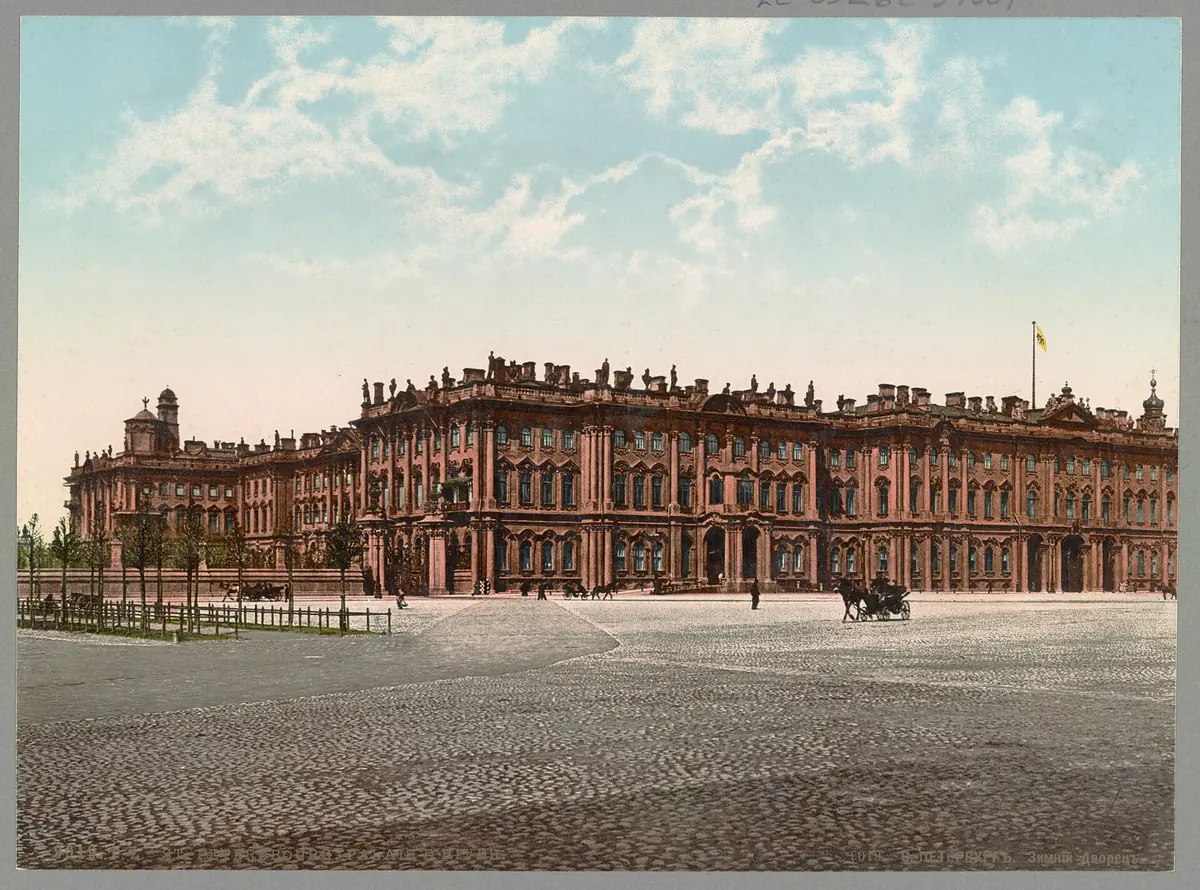
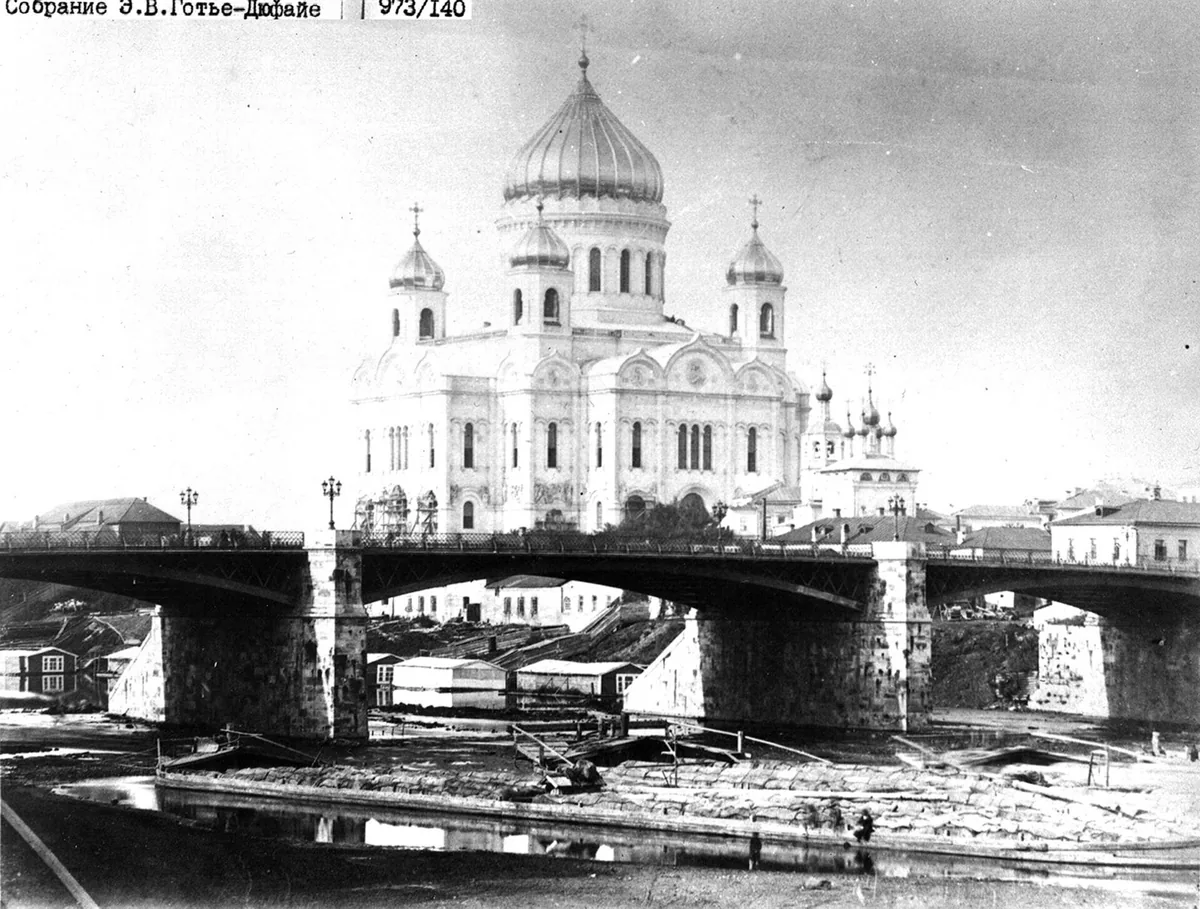
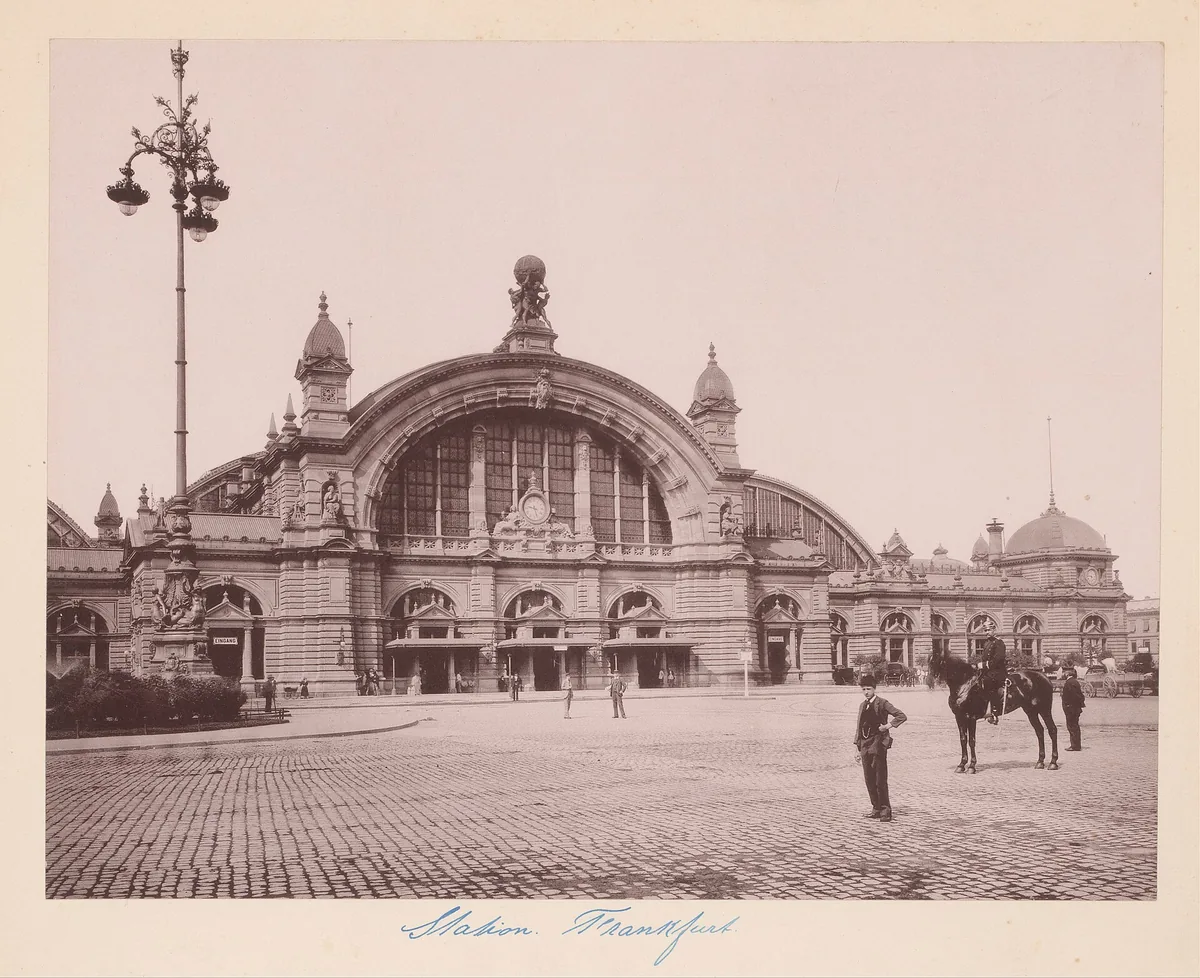
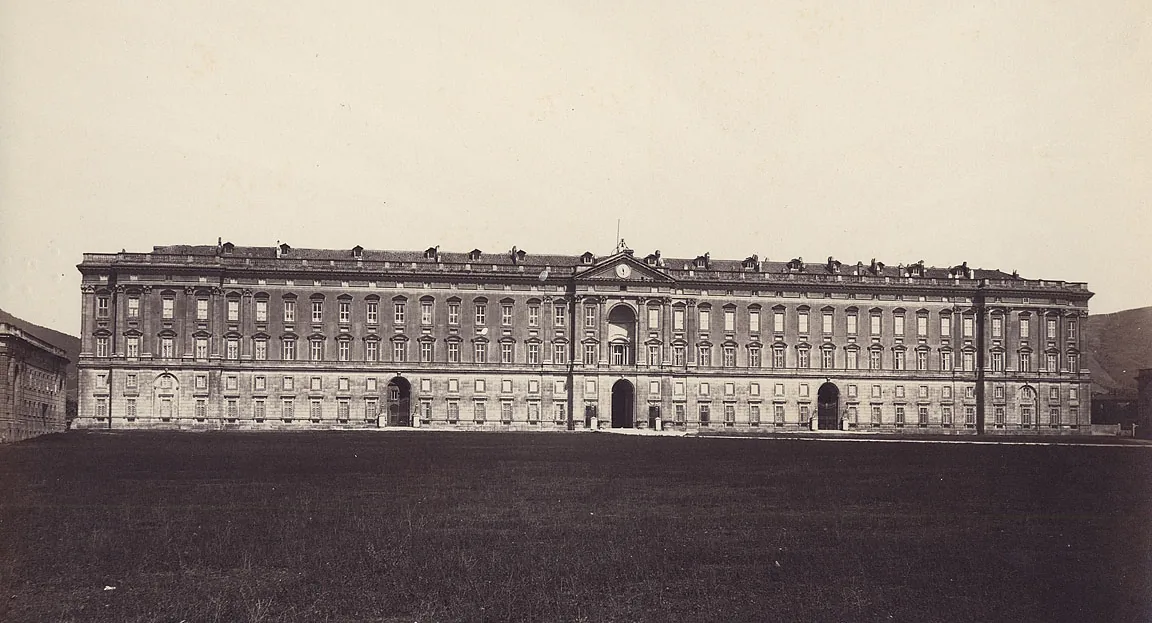
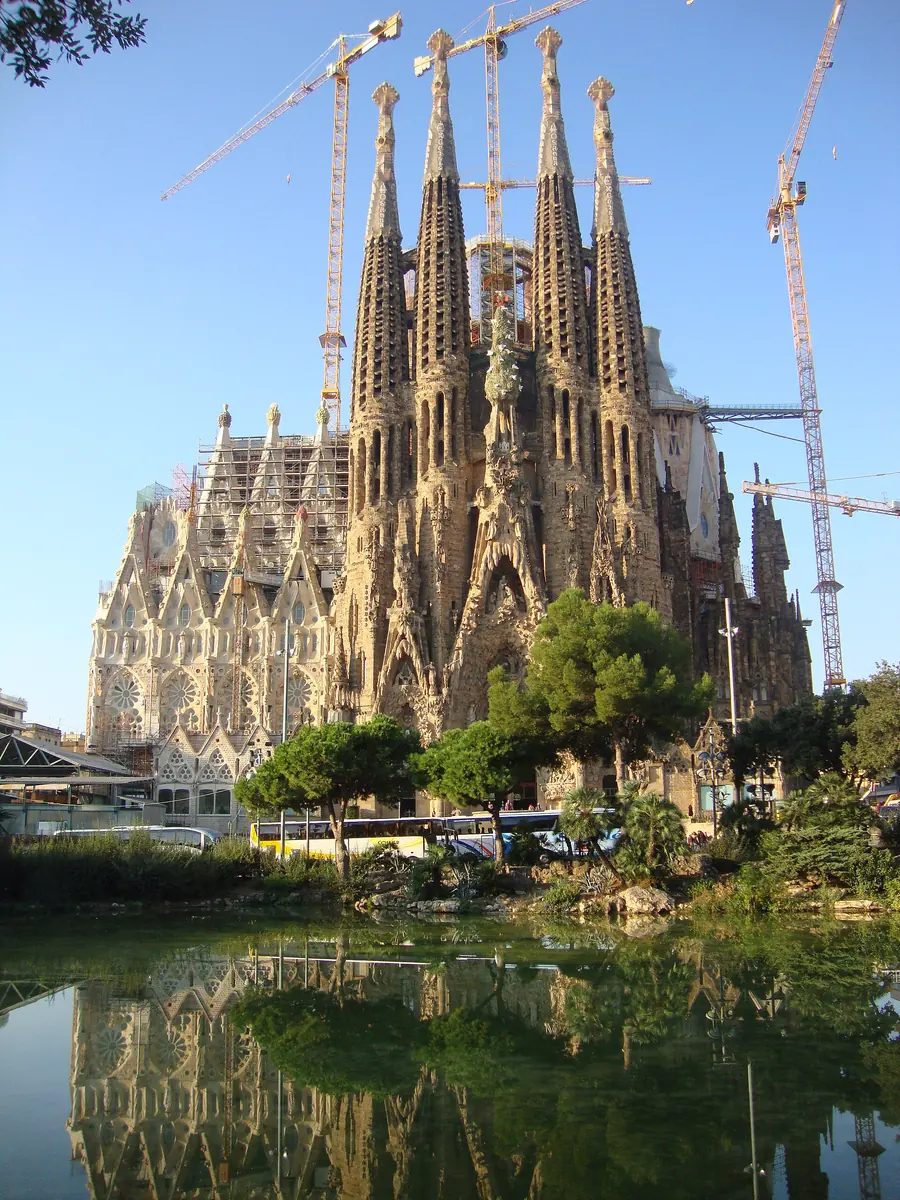
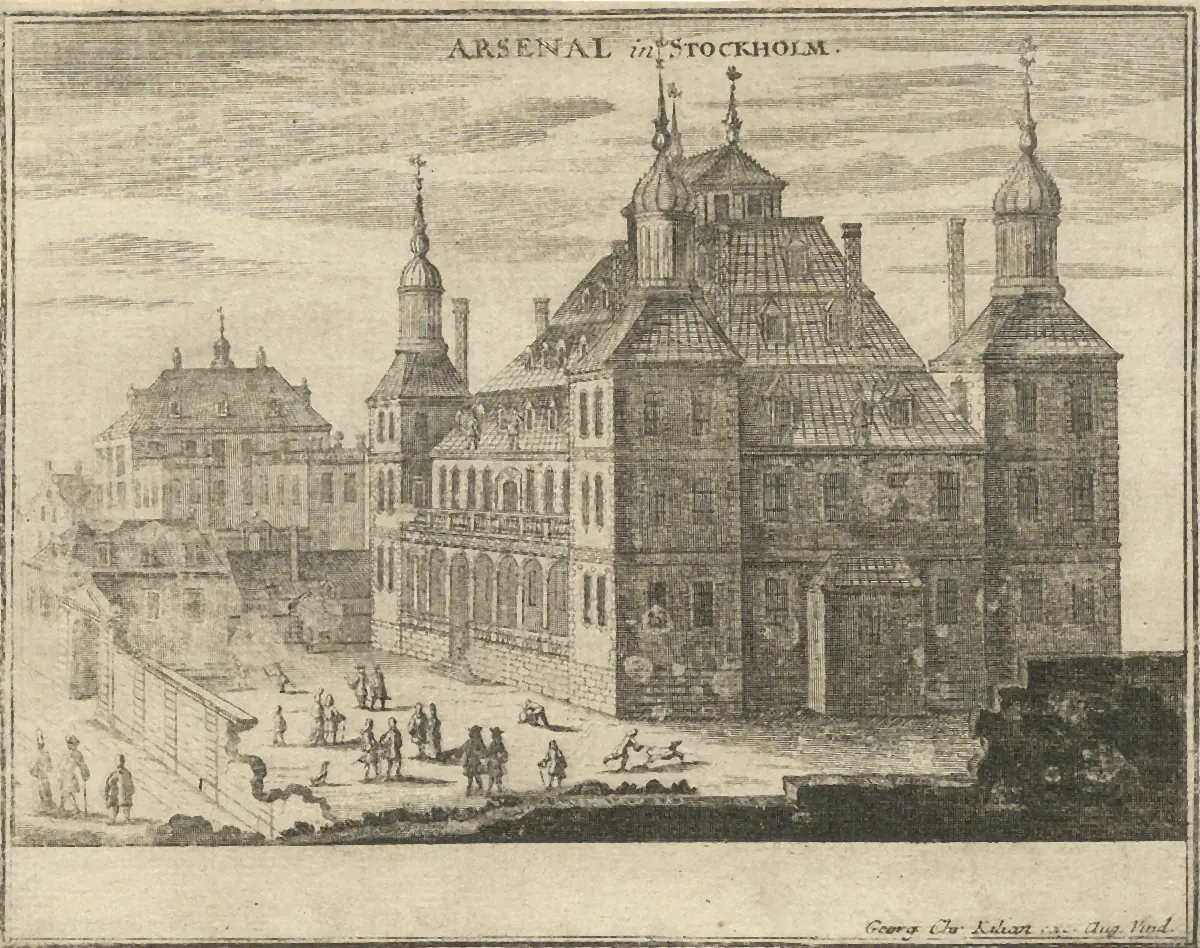
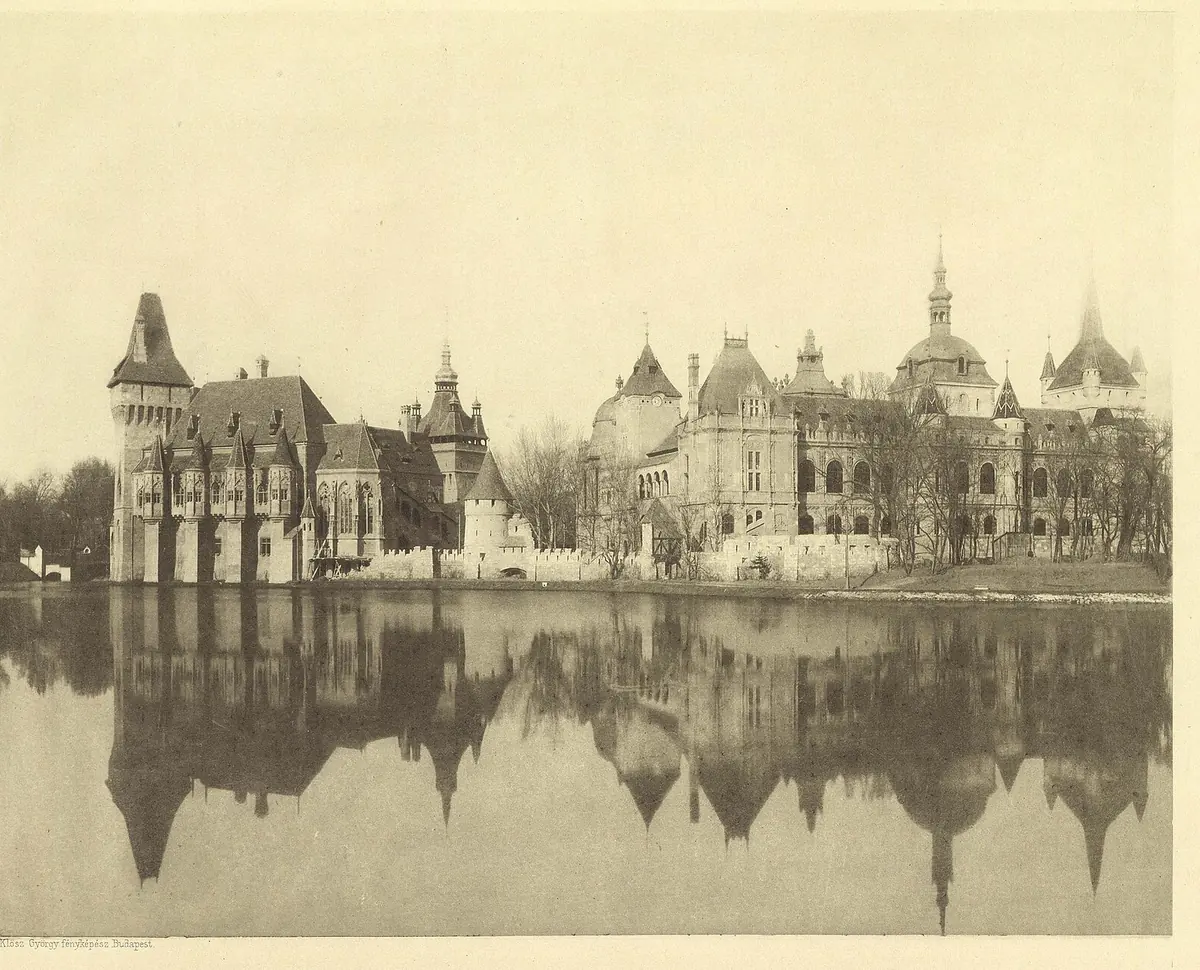
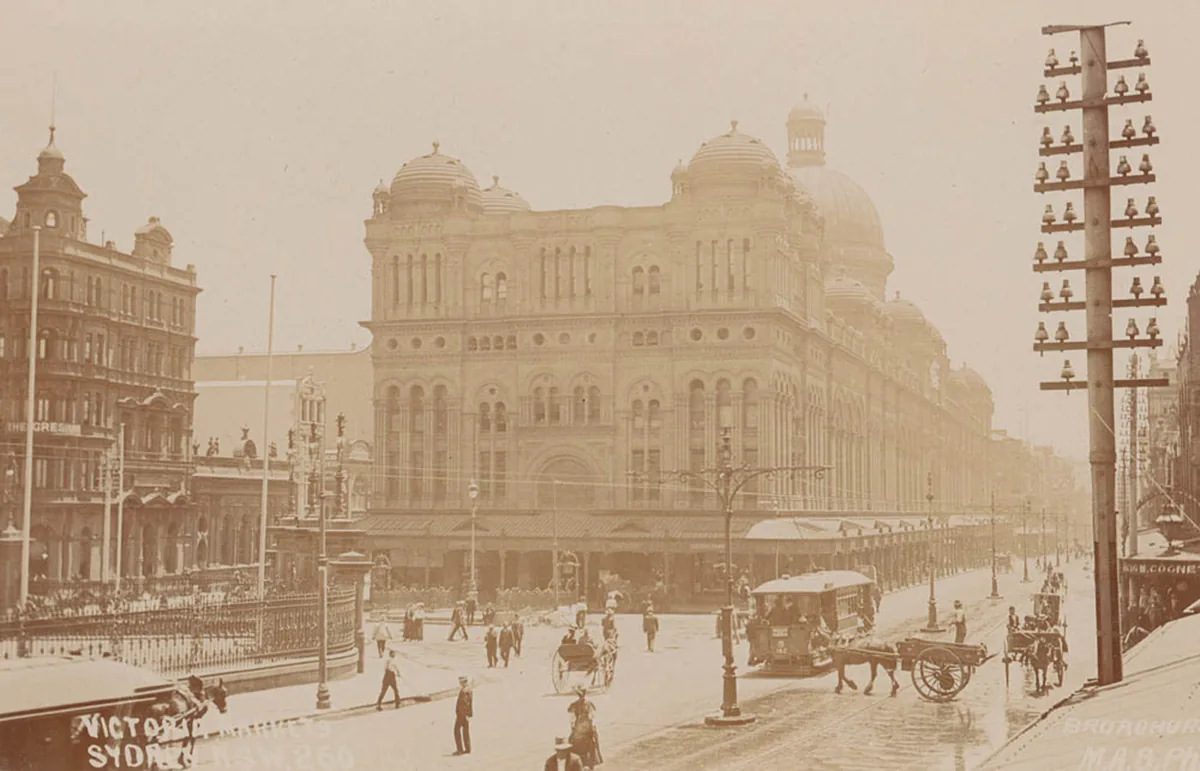
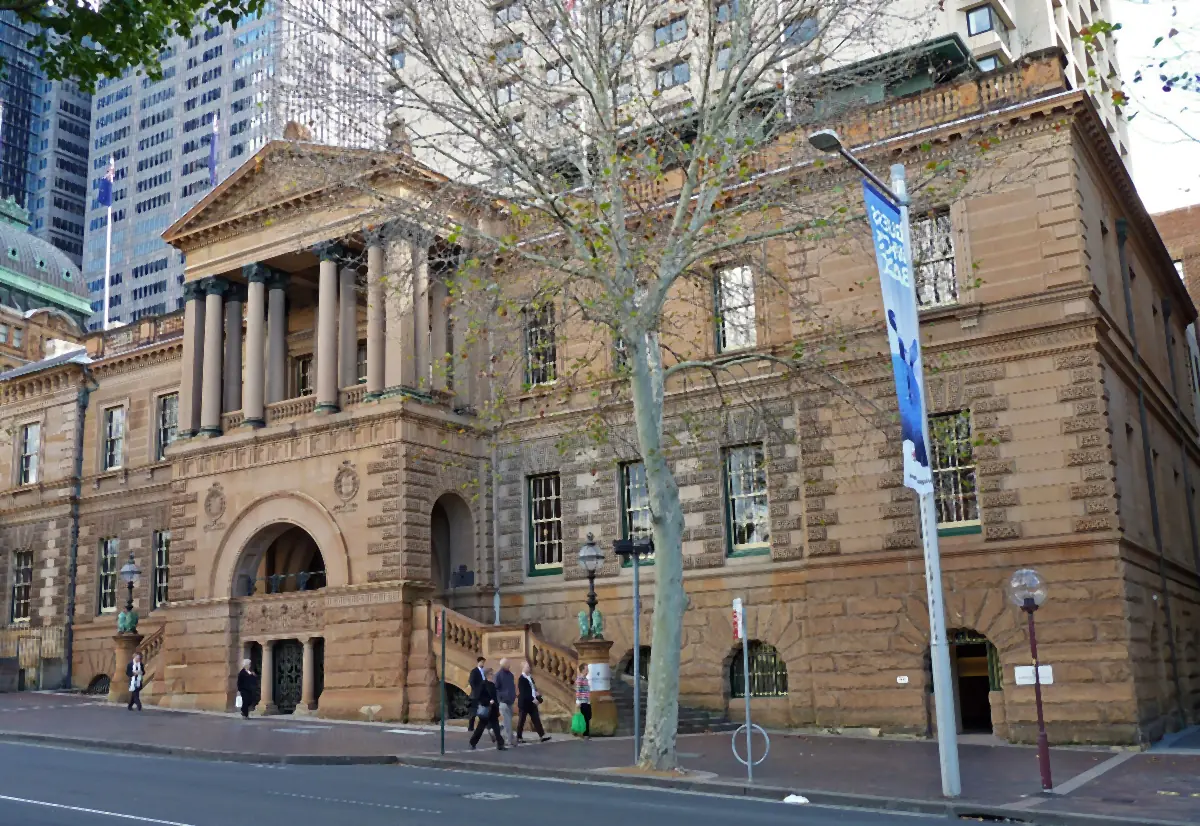
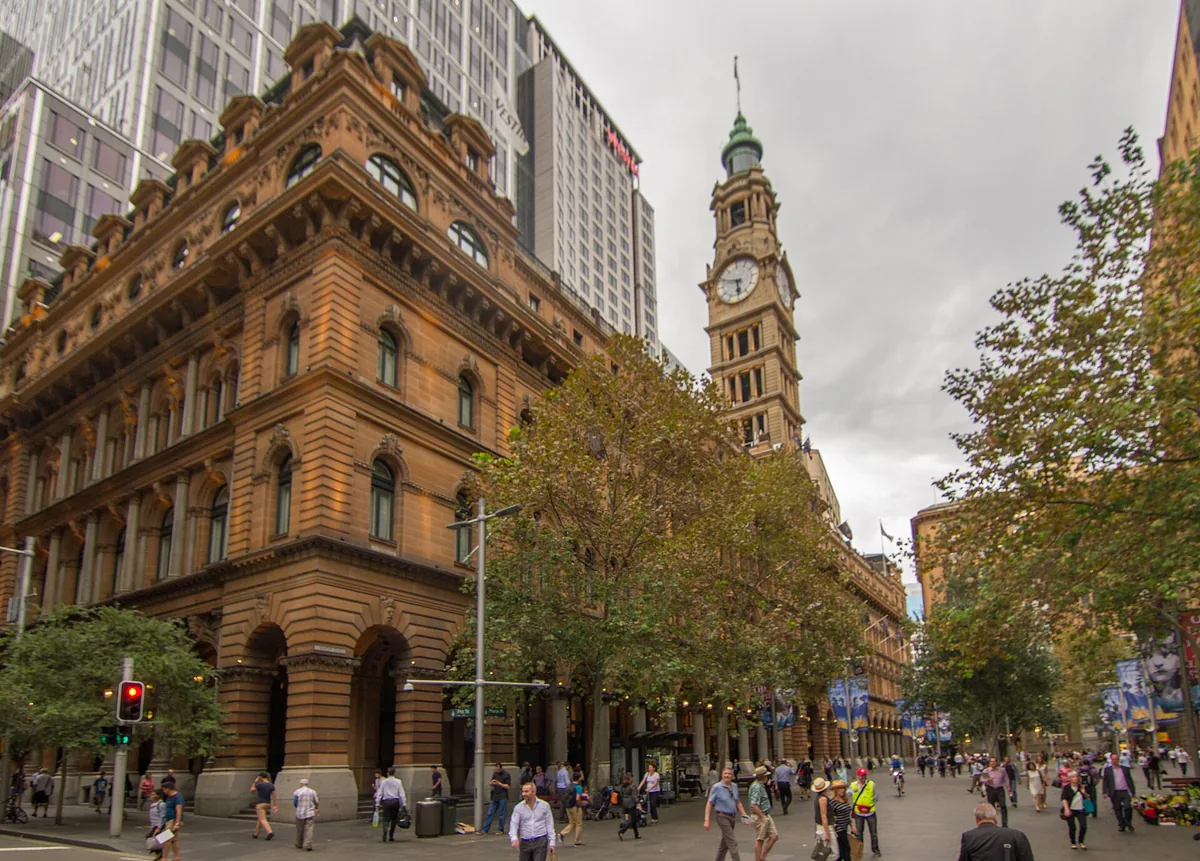
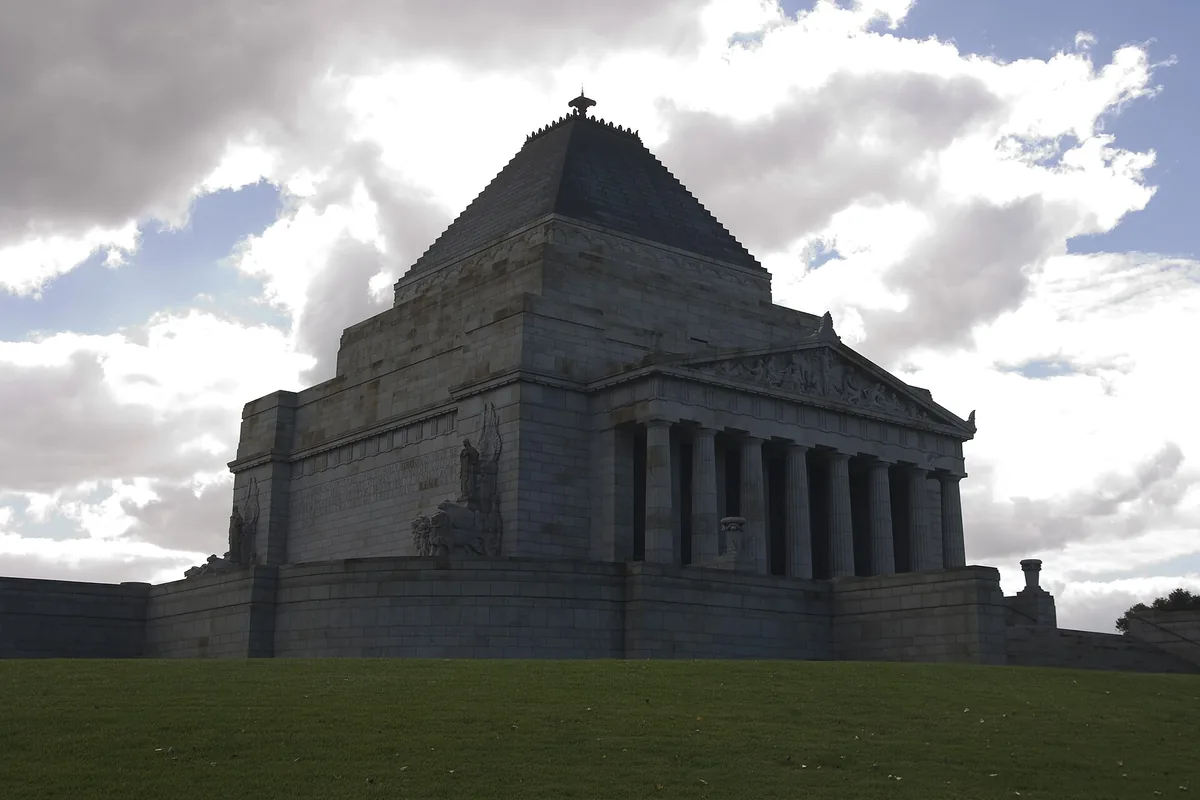
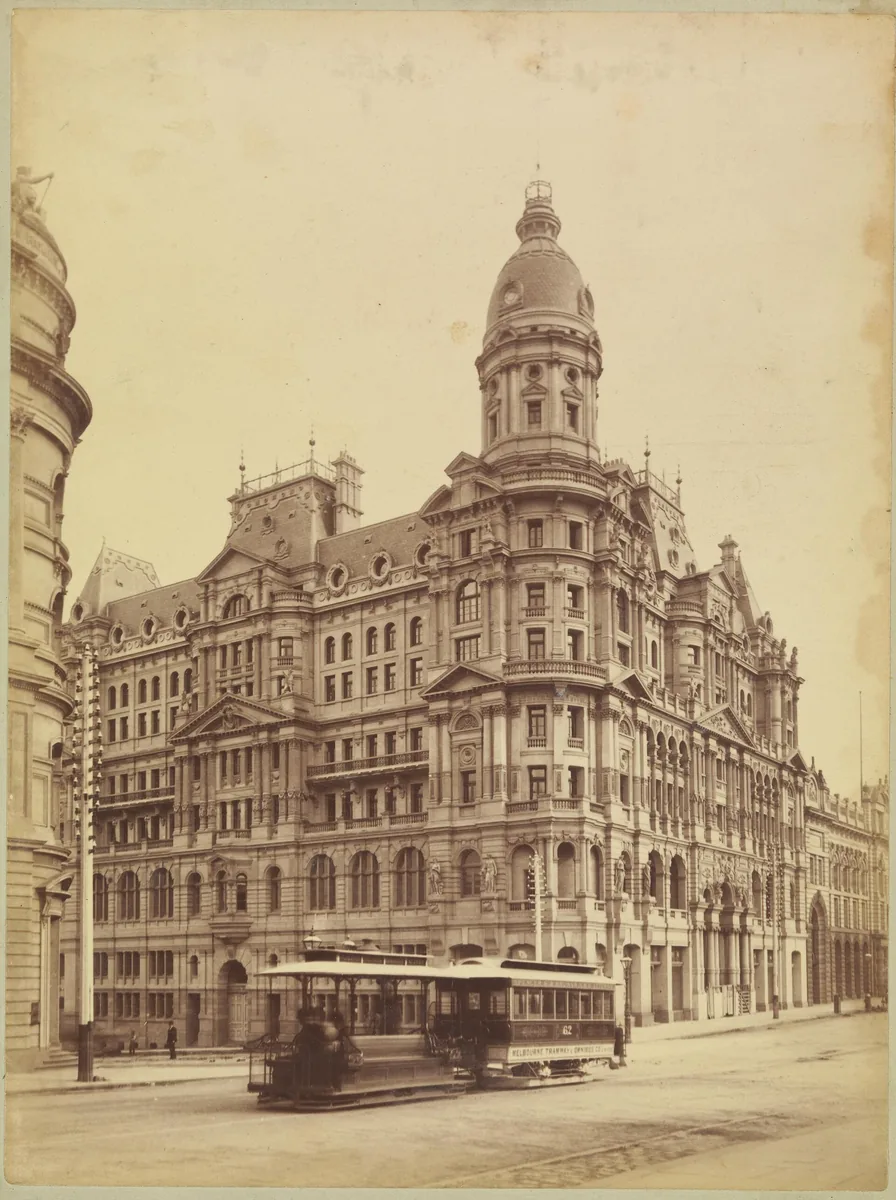
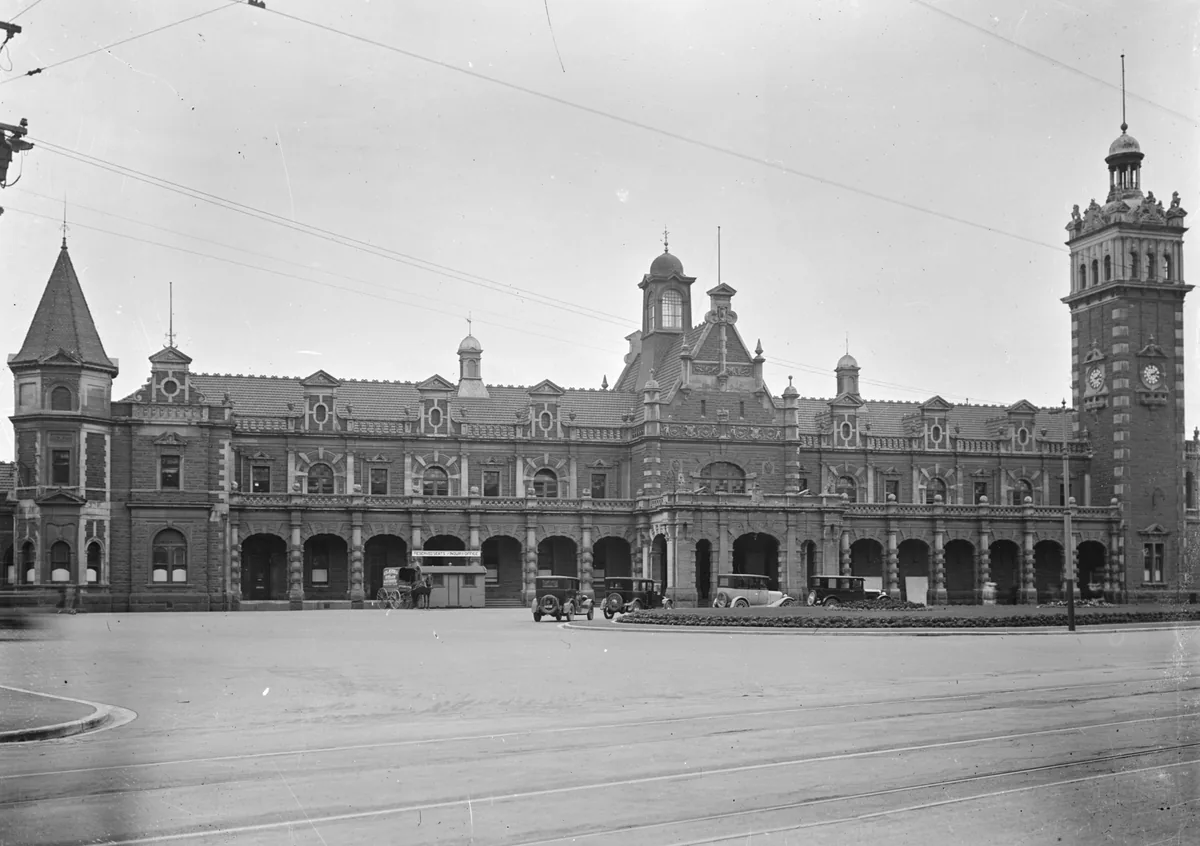
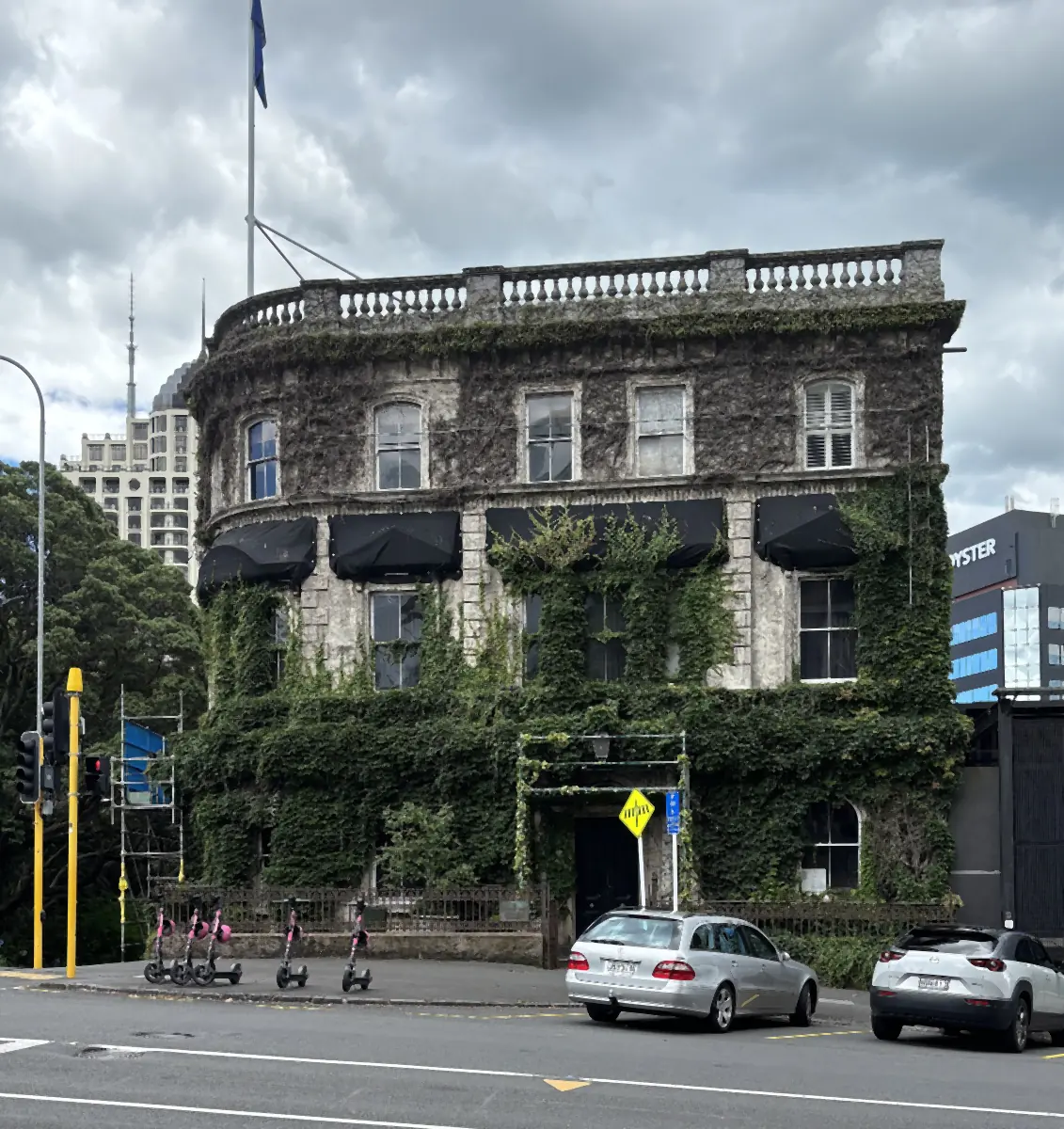
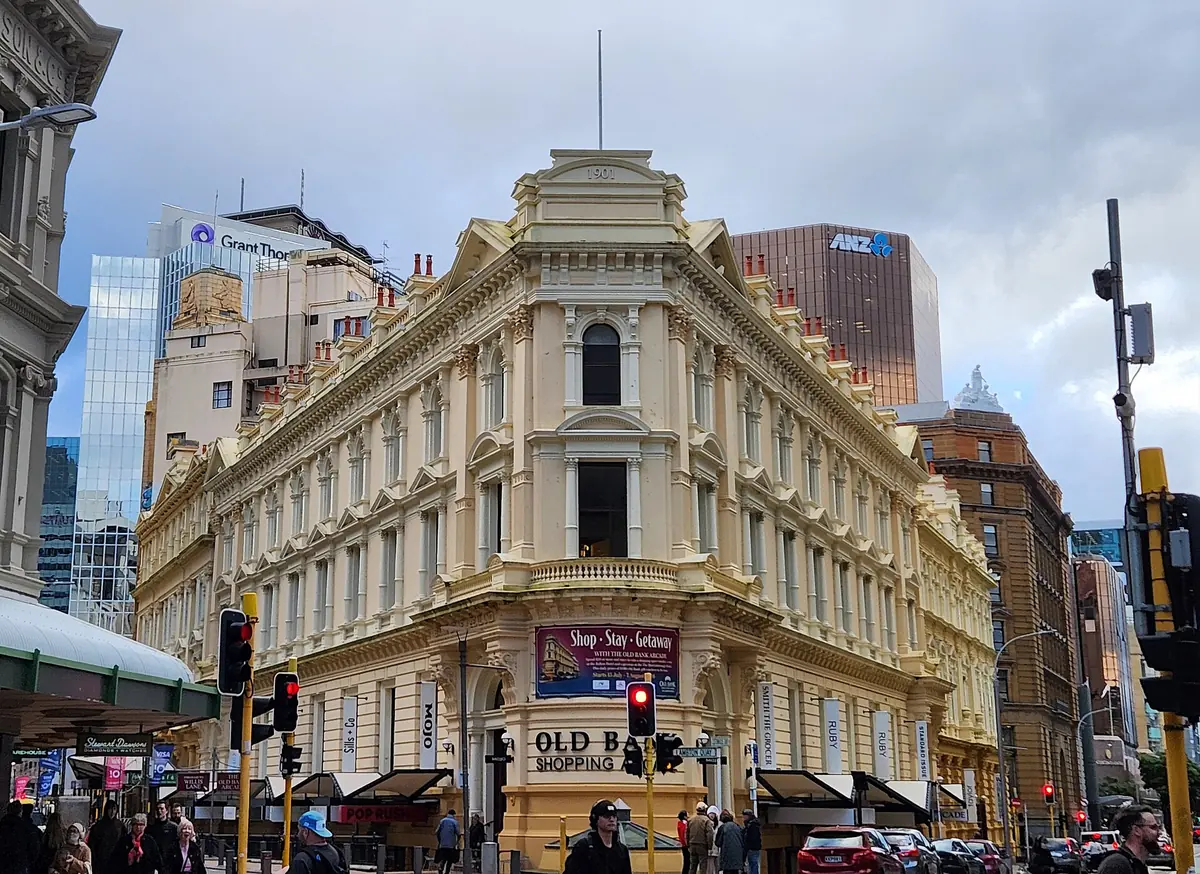
Image credits and sources
- United States Capitol. Detroit Photographic Co., 1902, public domain, via Wikimedia Commons. The record The claim
- Iowa State Capitol. Detroit Publishing Co., about 1907, public domain, via Wikimedia Commons. The record The claim
- Washington State Capitol. Unknown photographer, about 1927, public domain, via Wikimedia Commons. The record The claim
- Minnesota State Capitol. Detroit Publishing Co., about 1907, public domain, via Wikimedia Commons. The record
- White House. Detroit Photographic Co., 1901, public domain, via Wikimedia Commons. The record The claim
- Pennsylvania Station (original). Detroit Publishing Co., about 1910, public domain, via Wikimedia Commons. The record The claim
- Singer Building. Irving Underhill, 1909, public domain, via Wikimedia Commons. The record The claim
- Union Station. Detroit Publishing Co., between 1907 and 1910, public domain, via Wikimedia Commons. The record
- Federal Building. Unknown photographer, about 1910, public domain, via Wikimedia Commons. The record The claim
- Museum of Science and Industry (Palace of Fine Arts). Unknown photographer, 1893, public domain, via Wikimedia Commons. The record The claim
- Detroit Water Works tower. Detroit Photographic Co., about 1900, public domain, via Wikimedia Commons. The record The claim
- Milwaukee City Hall. Detroit Photographic Co., 1902, public domain, via Wikimedia Commons. The record
- Cambria County Courthouse. Photo: Publichall, CC BY-SA 3.0, via Wikimedia Commons. Resized. The record
- Old San Francisco City Hall. Detroit Photographic Co., before 1906, public domain, via Wikimedia Commons. The record
- Tower of Jewels. Unknown photographer, about 1915, public domain, via Wikimedia Commons. The record The claim
- Sutro Baths. Detroit Photographic Co., 1900, public domain, via Wikimedia Commons. The record The claim
- Tampa Bay Hotel. Detroit Photographic Co., 1902, public domain, via Wikimedia Commons. The record The claim
- Stadium High School. Photo: Joe Mabel, CC BY-SA 4.0, via Wikimedia Commons. Resized. The record The claim
- Jefferson Museum of Art and History (Port Townsend City Hall). Photo: Joe Mabel, CC BY-SA 3.0, via Wikimedia Commons. Resized. The record The claim
- Eastern State Penitentiary. P. S. Duval and Co., 1855, public domain, via Wikimedia Commons. The record The claim
- Utah State Insane Asylum (Territorial Insane Asylum). Unknown photographer, 1896, public domain, via Wikimedia Commons. The record The claim
- Worcester State Hospital. Detroit Publishing Co., about 1906, public domain, via Library of Congress. The record
- Wardenclyffe Tower. Unknown photographer, about 1902, public domain, via Wikimedia Commons. The record The claim
- Chateau Frontenac. Detroit Publishing Co., between 1890 and 1901, public domain, via Library of Congress. The record The claim
- Notre-Dame Cathedral Basilica. Photo: shankar s., CC BY 2.0, via Wikimedia Commons. Resized. The record
- Citadelle Laferriere. SPC Gibran Torres, U.S. Army, 2010, public domain, via Wikimedia Commons. The record The claim
- Palacio Monroe. Unknown photographer, early 1900s, public domain, via Wikimedia Commons. The record The claim
- Rospigliosi Castle. U.S. Bureau of Public Roads, undated, public domain, via Wikimedia Commons. The record The claim
- Palace of the Argentine National Congress. National Photo Company, between 1908 and 1919, public domain, via Library of Congress. The record
- HSBC Building. Photo: ScareCriterion12, CC BY-SA 4.0, via Wikimedia Commons. Resized. The record The claim
- Gateway of India. Photo: HoneyB (Agra), CC BY-SA 3.0, via Wikimedia Commons. Resized. The record The claim
- General Post Office. Lawrence Collection, about 1900, public domain, via National Library of Ireland and Wikimedia Commons. The record The claim
- Crystal Palace. Unknown photographer, between 1870 and 1900, CC0, via Wikimedia Commons. The record
- Eiffel Tower. Unknown photographer, 1889, public domain, via Wikimedia Commons. The record The claim
- Kazan Cathedral. Photoglob Zurich photochrom, 1890s, public domain, via Library of Congress and Wikimedia Commons. The record The claim
- Winter Palace. Photoglob Co., about 1905, public domain, via Library of Congress and Wikimedia Commons. The record The claim
- Cathedral of Christ the Saviour (original). Gautier-Dufayet collection, about 1900-13, public domain, via Wikimedia Commons. The record The claim
- Frankfurt Hauptbahnhof. Unknown photographer, before about 1900, public domain (CC0), via Rijksmuseum and Wikimedia Commons. The record
- Royal Palace of Caserta. Giorgio Sommer, about 1890, public domain, via Wikimedia Commons. The record
- Sagrada Familia. Photo: Maurizio Ceol, CC BY 3.0, via Wikimedia Commons. Resized. Set on a blurred copy of itself in the grid. The record The claim
- Makalos Palace. Georg Christoph Kilian, 18th century, public domain, via Swedish National Heritage Board and Wikimedia Commons. The record The claim
- Vajdahunyad Castle. Gyorgy Klosz, 1896, public domain, via Fortepan / Budapest City Archives and Wikimedia Commons. The record
- Queen Victoria Building. William Henry Broadhurst, about 1900-27, public domain, via State Library of New South Wales and Wikimedia Commons. The record The claim
- Treasury Building. OSX, 2011, public domain, via Wikimedia Commons. The record The claim
- General Post Office. Photo: Maksym Kozlenko, CC BY-SA 4.0, via Wikimedia Commons. Resized. The record
- Shrine of Remembrance. Photo: Maksym Kozlenko, CC BY-SA 3.0, via Wikimedia Commons. Resized. The record The claim
- Federal Coffee Palace. J. W. Lindt, 1890s, public domain, via National Gallery of Victoria and Wikimedia Commons. The record The claim
- Dunedin Railway Station. Albert Percy Godber, about 1926, public domain, via Alexander Turnbull Library and Wikimedia Commons. The record The claim
- Northern Club. Photo: Paora, CC0, via Wikimedia Commons. The record The claim
- Old Bank Arcade. Photo: Panamitsu, CC BY-SA 4.0, via Wikimedia Commons. Resized. The record The claim
The Record
Investigations
-
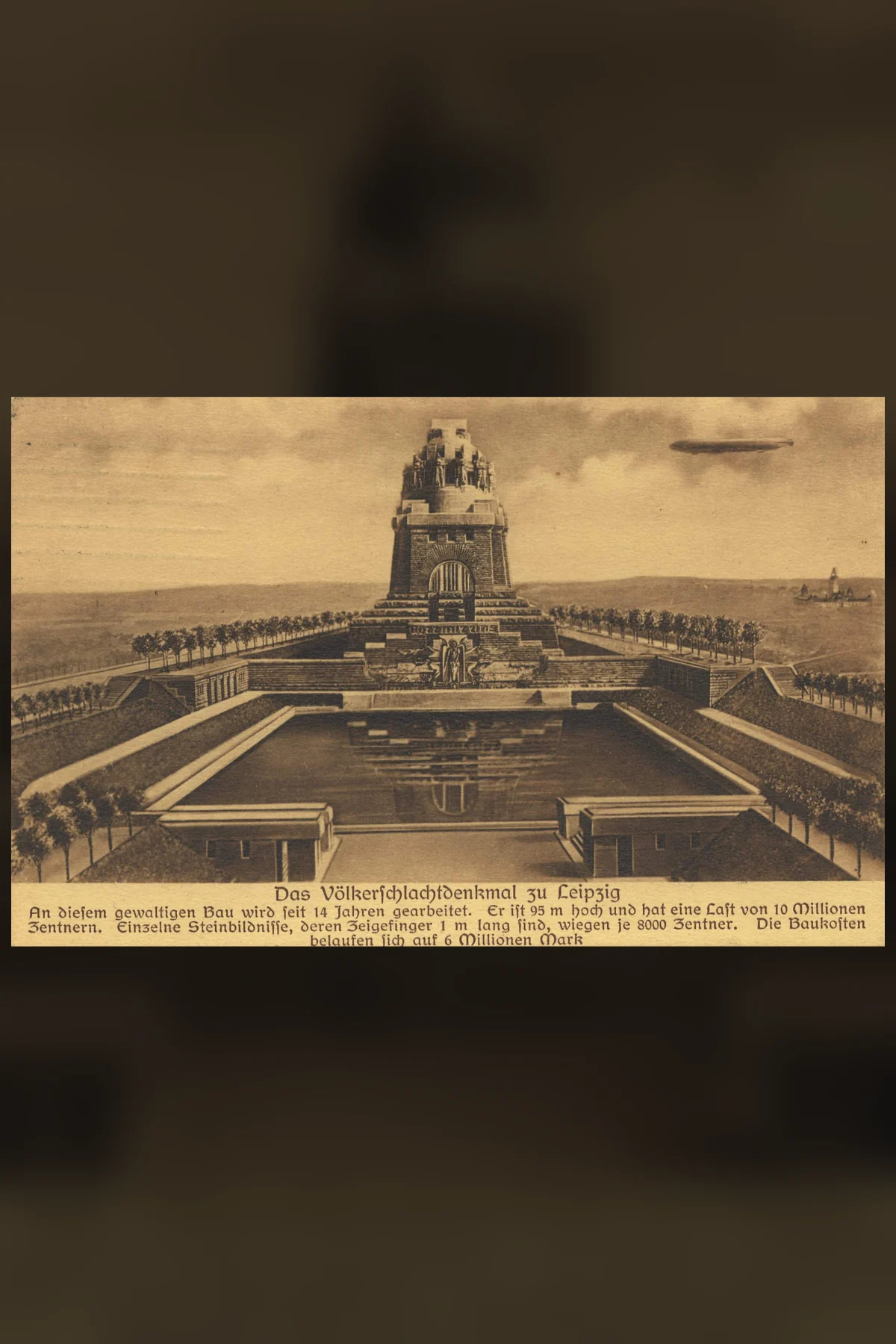
Tartaria's Airships and the Zeppelin Over the Leipzig Monument
Tartaria videos, led by a January 2026 Tartaria Vault film seen more than 115,000 times, say airships lifted the great buildings of the 1880s into place and vanished after 1912. This investigation sets that claim beside the dated record of real airships from 1852 to 1937, a 1914 Leipzig postcard and the 1896 sightings, and ends on what is still missing: one traced picture.
The Old World