Explore the subject
The Old World
One name on the maps. A lost world built around it.
For three centuries European maps put one name across much of Asia: Tartary. Then the name was gone. This section follows that name and the lost world later built on it: a typed paper in a CIA file, a calendar from a Russian prison, shop fronts under the sidewalk, airships over stone cities, and the great buildings of the old cities, read as an inheritance.
Begin the story All 5 investigations
The short answer
A vast country called Tartary, or Great Tartaria, is said to have held much of the world until the 19th century, raised the great stone buildings of the old cities, and then been erased.
The name is real. It lay across northern Asia on European maps for about three hundred years, and the 1771 Britannica gave one row of it 3,050,000 square miles. No document found so far names a Tartarian state, and map historians read the word as a loose name for lands Europe knew little about.
The modern story began in Russia, with Anatoly Fomenko and Nikolay Levashov, and reached English on YouTube from about 2016. The buildings have their builders and dates on record. The buried shop fronts each have a local, dated cause.
Most read
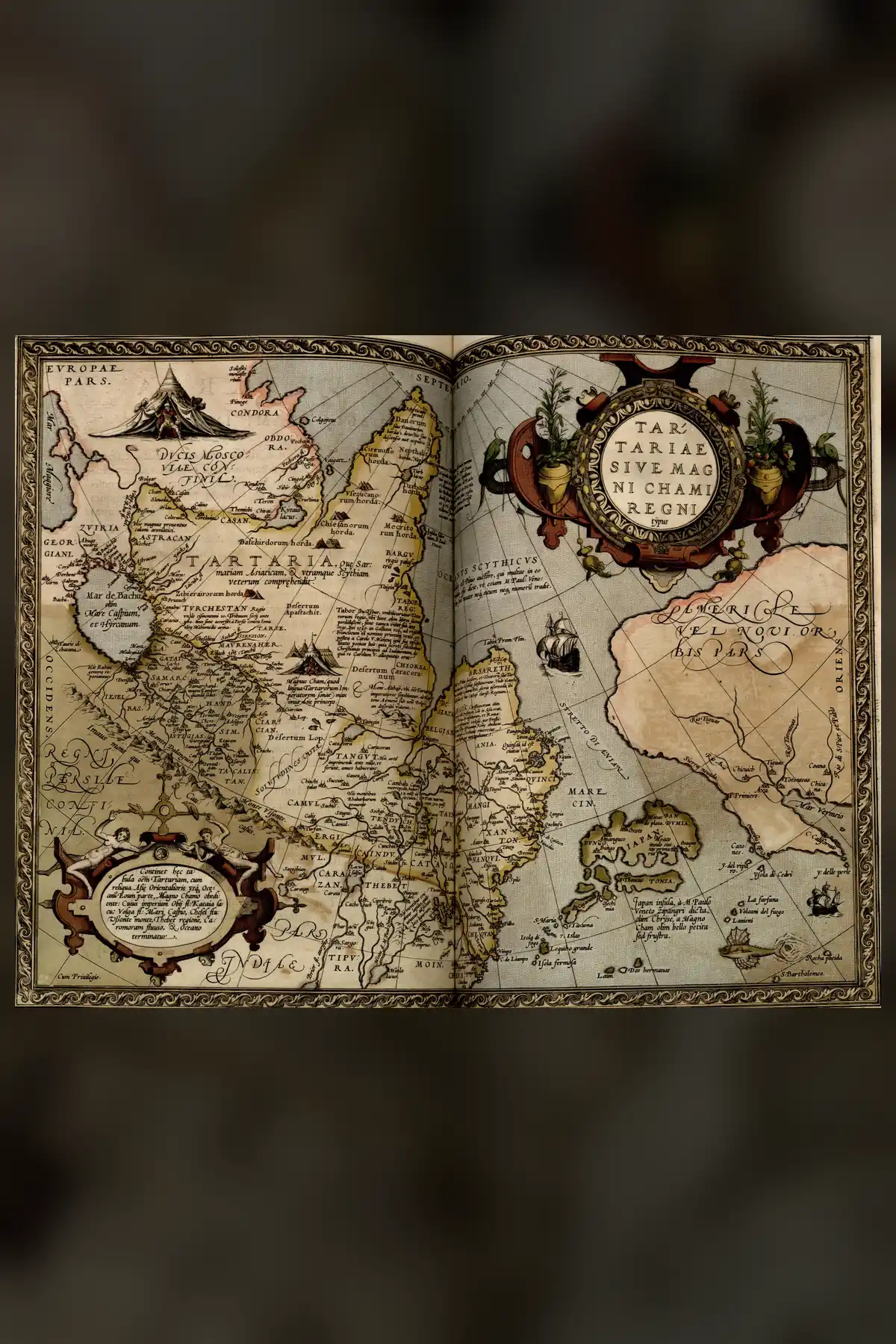 Great Tartary and the Name That Filled the Old Maps of AsiaWhat did the name Tartary on the old maps of Asia stand for, and what do the 1771 Britannica and the flag charts show?
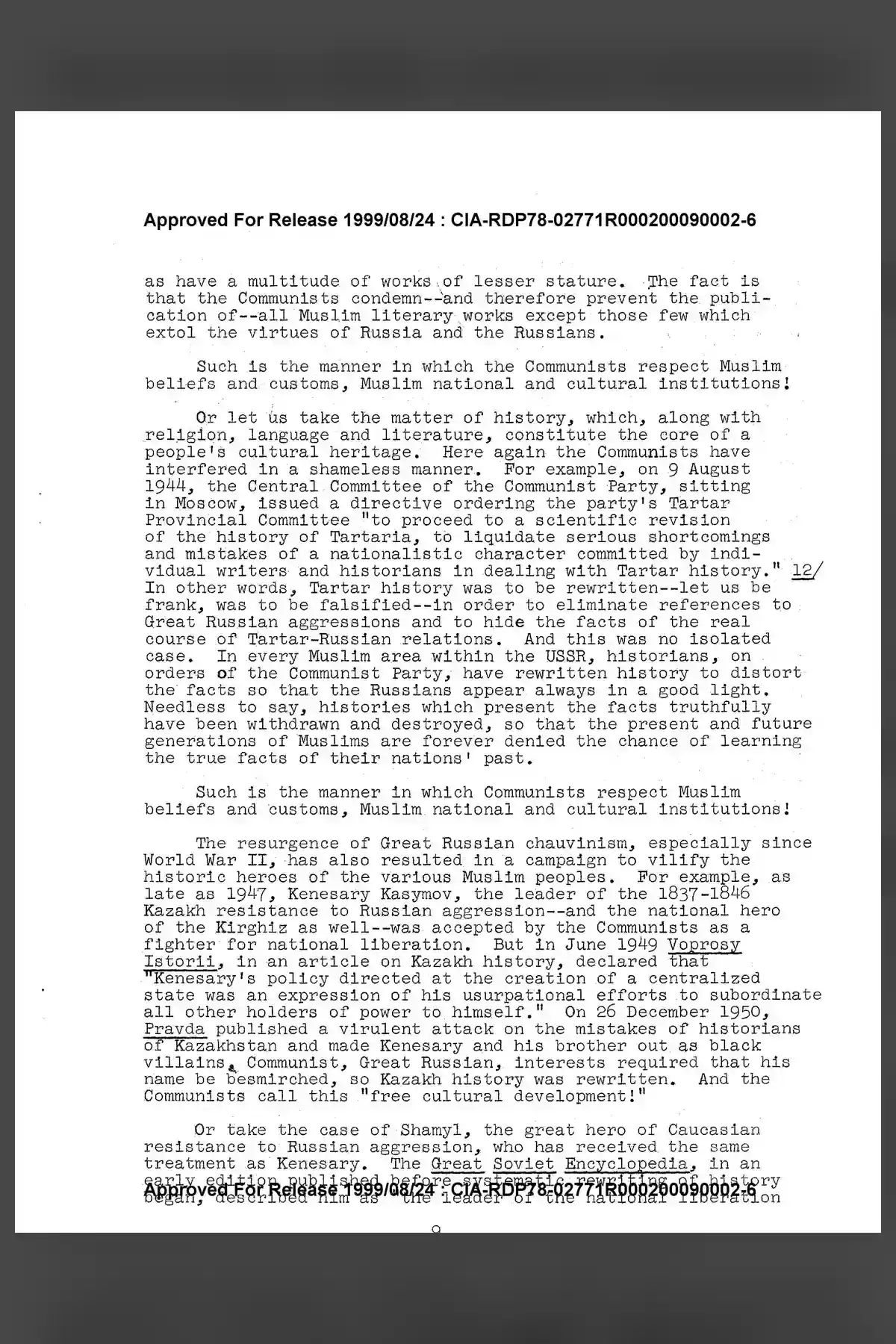 The CIA's 1957 Tartaria Paper and the Order to Rewrite a HistoryWhat does the 1957 CIA paper say about Tartaria, and what did the Moscow order of 9 August 1944 tell Kazan to do?
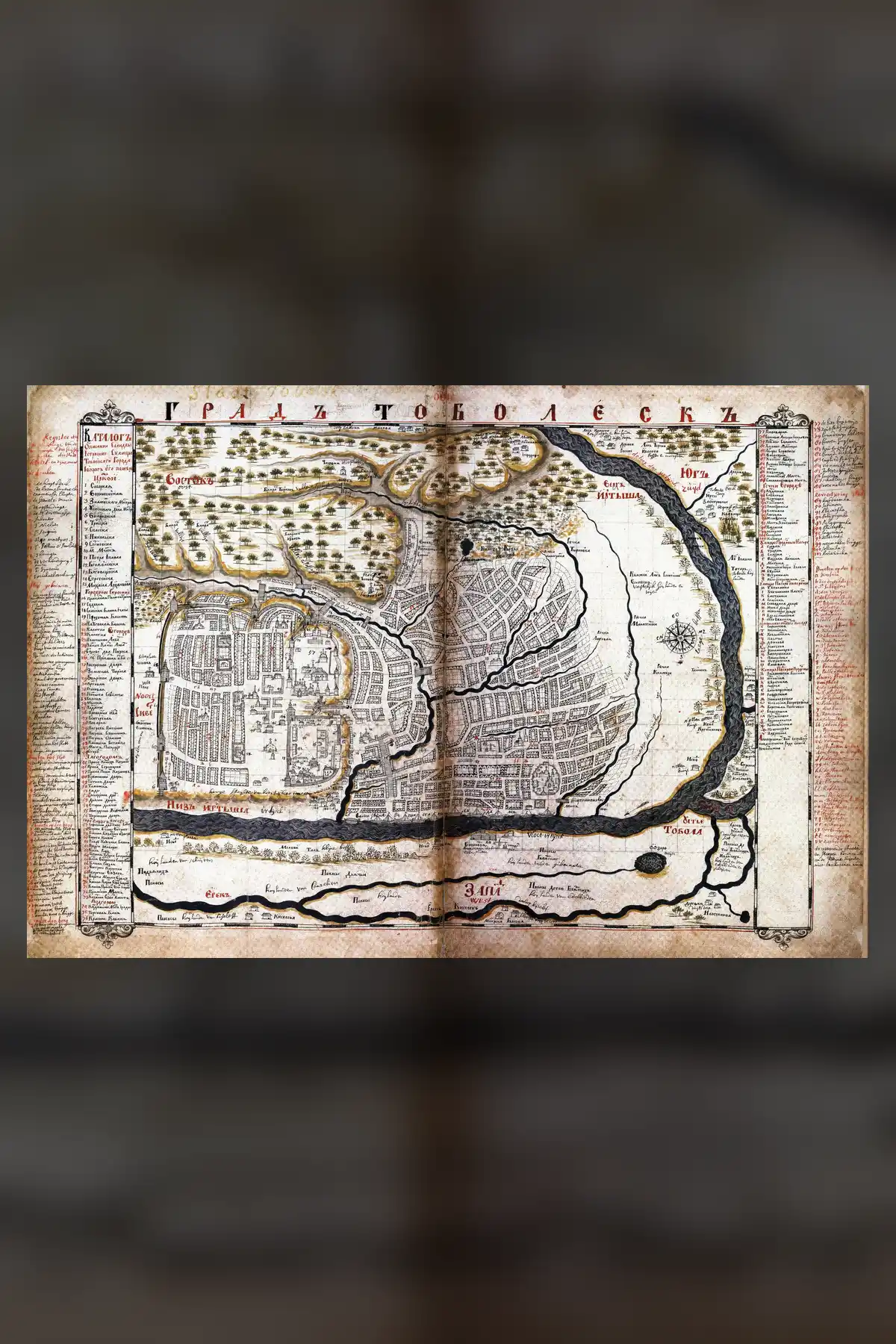 The New Chronology and the Making of Great TartariaHow did a recalculated calendar from Moscow mathematicians become the lost empire of Great Tartaria, and what does the record show?
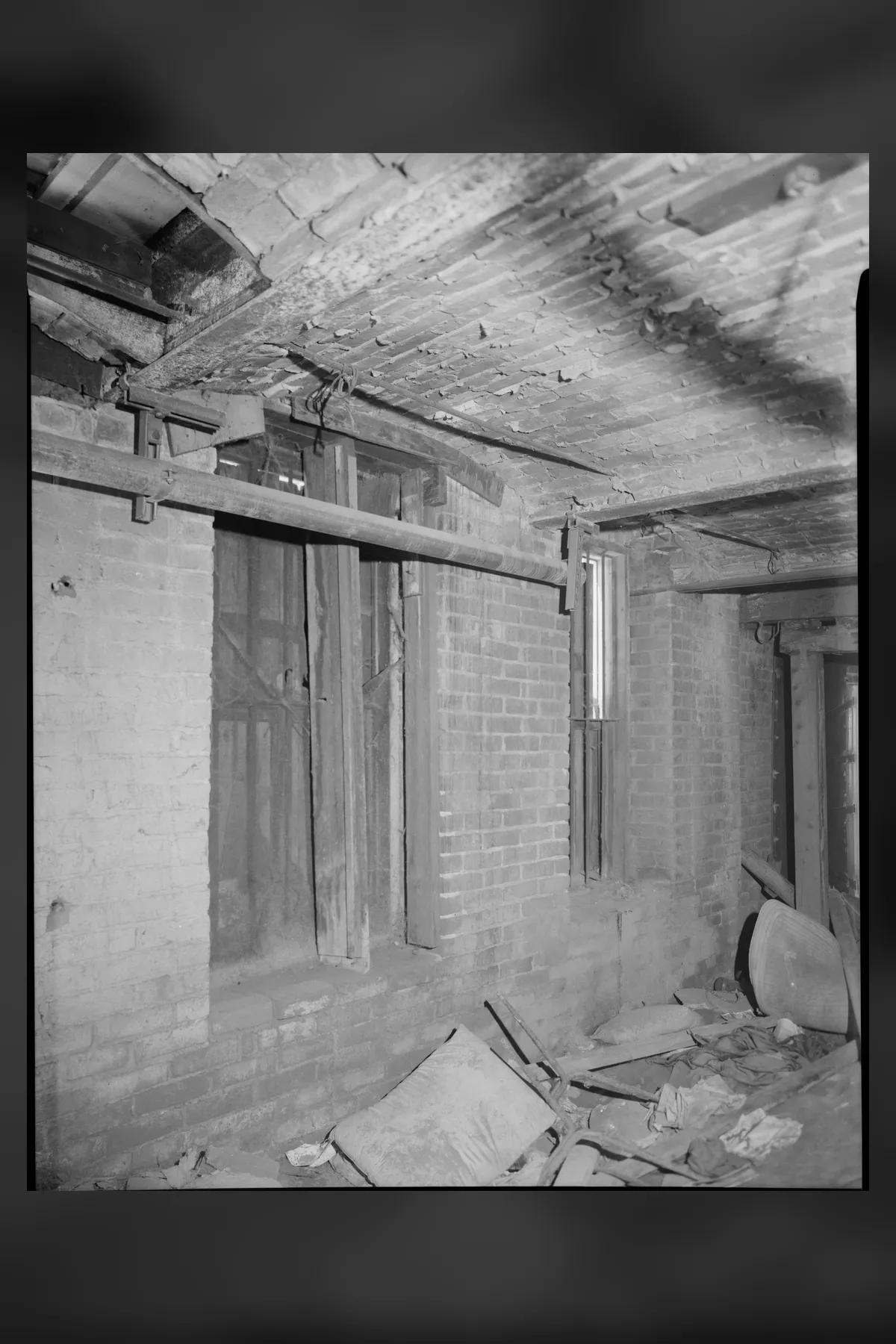 The Buried Storefronts: Sacramento, Seattle and the Mud FloodWhy do real storefronts stand below the streets of Sacramento and Seattle, and what do the dated records say buried them?
The story
An overview of the subject. Each investigation below goes deeper.
Five records, one lost world
Five strands run through this section, and each begins with something you can hold up to the light: a map of 1570, a row in an encyclopedia table, a typed paper in a CIA file, a shop front under a Sacramento sidewalk, a postcard stamped in Leipzig.
Around them has grown one story. A world power called Tartaria, its cities still standing, its name taken away.
The records are real. What they add up to is the question.
A word across Asia
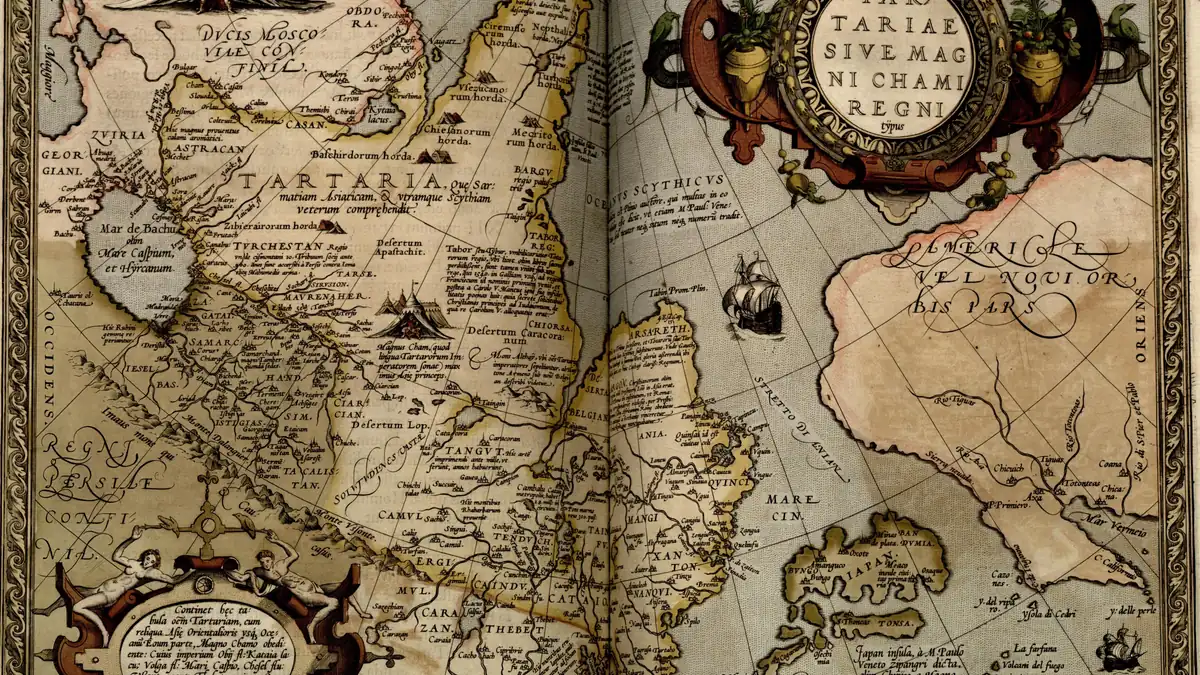
On the sheet Abraham Ortelius printed in his atlas of 1570, Tartaria stands in spaced capitals across northern Asia. A man sits in the mouth of a great tent, and the cartouche says all of it obeys the Great Khan. In 1771 the first Encyclopaedia Britannica called Tartary “a vast country in the northern parts of Asia”, and a table in the same set gave Tartary Muscovite 3,050,000 square miles, with its capital at Tobolsk.
In April 2018 a forum user called KorbenDallas set those pages side by side and wrote the sentence the idea still stands on: “Tartary was not a great tract. It was a country.”
Mark Elliott of Harvard reads the word as a loose European name for the little-known lands of Inner Asia. By 1885 it had left the large lettering of the maps.
It is still there on one strip of cold water, the Gulf of Tartary.
Read the investigationGreat Tartary and the Name That Filled the Old Maps of AsiaWhat did the name Tartary on the old maps of Asia stand for, and what do the 1771 Britannica and the flag charts show?Read it
An order from Moscow
The same thread carried a second document: a typed paper of June 1957 from the CIA's reading room, called National Cultural Development Under Communism. On page 9 a directive of 9 August 1944 gives an order “to proceed to a scientific revision of the history of Tartaria”. A few sentences on, histories “have been withdrawn and destroyed”.
The word appears once. It carries an empire now.
Its footnote runs to a Central Committee resolution on the Tatar republic on the Volga, capital Kazan. The order was real, and Kazan acted on it. What it rewrote was how the Tatars told their own past.
Read the investigationThe CIA's 1957 Tartaria Paper and the Order to Rewrite a HistoryWhat does the 1957 CIA paper say about Tartaria, and what did the Moscow order of 9 August 1944 tell Kazan to do?Read it
A calendar from a prison
The deepest root is Russian. Nikolai Morozov, a revolutionary under a life sentence in the Shlisselburg fortress, came out in 1905 with a plan to date the Book of Revelation by its stars. Decades later the Moscow mathematician Anatoly Fomenko took up his work and, with Gleb Nosovsky, moved the ancient world into the Middle Ages.
Their books put a Great Tataria on the old maps. They found Moscow Tartary in the 1771 table. Then Nikolay Levashov made it Great Tartaria.
A calendar had become a country.
Read the investigationThe New Chronology and the Making of Great TartariaHow did a recalculated calendar from Moscow mathematicians become the lost empire of Great Tartaria, and what does the record show?Read it
The shop under the sidewalk
Under J Street in Sacramento, a federal survey photograph of 2001 shows the front of a shop: a boarded doorway, a narrow window, and a brick vault overhead. The street runs above the ceiling. Seattle has the same picture on a larger scale. The theory calls it the mud flood, one disaster, written down by nobody, that buried the ground floors of the old cities.
The windows are real. Each address so far has its own date and its own cause, and in these records nobody has found the one layer.
Either side could run the test: a trench against a wall, at a named address, in two cities.
Read the investigationThe Buried Storefronts: Sacramento, Seattle and the Mud FloodWhy do real storefronts stand below the streets of Sacramento and Seattle, and what do the dated records say buried them?Read it
Craft over stone
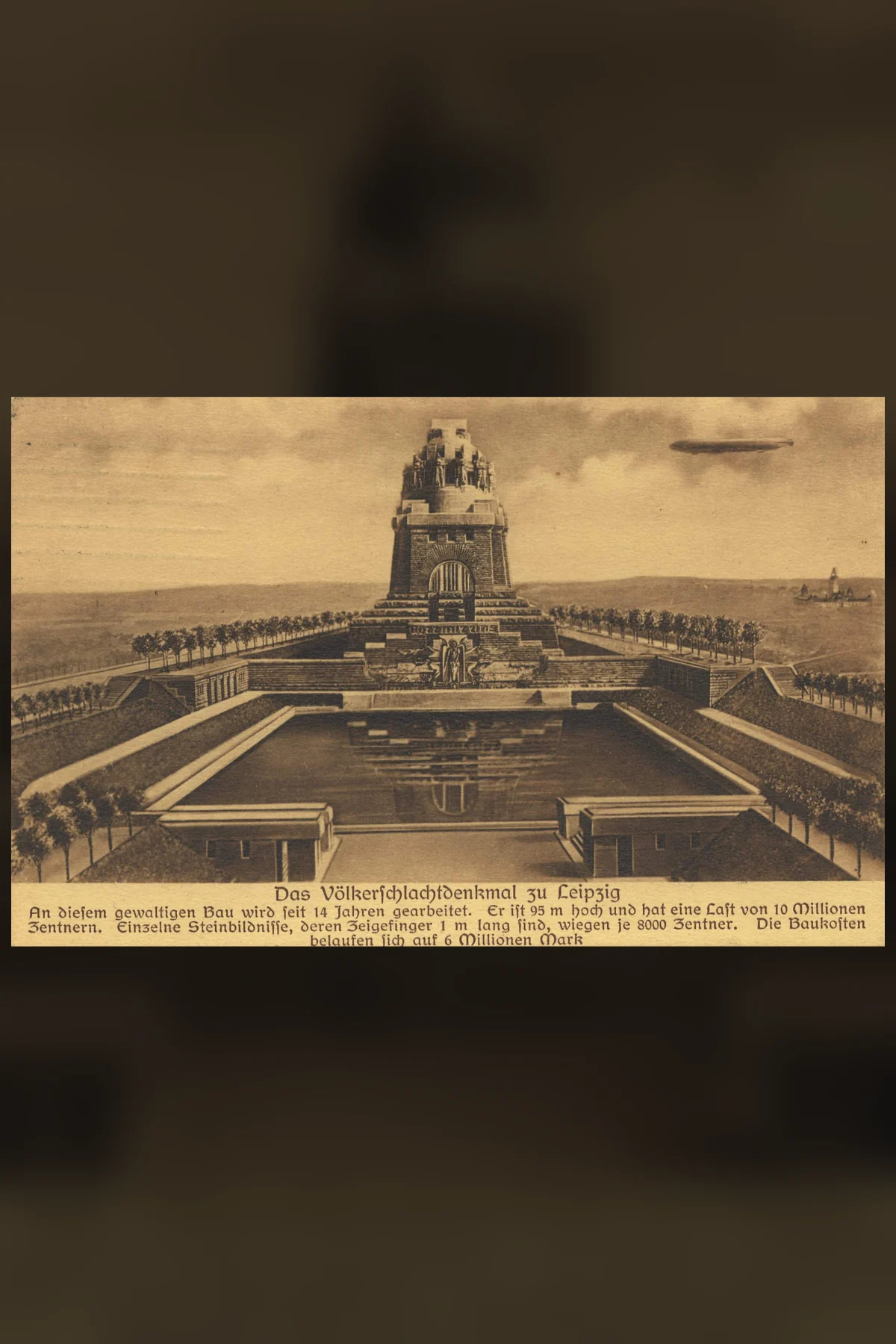
A postcard stamped in Leipzig on 11 June 1914 shows a Zeppelin beside a monument 95 metres high. In Tartaria videos, one of them seen more than 115,000 times, pictures like it are the last trace of a fleet that raised the old world from the air.
This card prints the load. One stone figure on that monument weighed 400 tonnes, more than four Hindenburgs could lift. A search in four languages found no airship lifting a stone on any building site, at any date.
 Read the investigationTartaria's Airships and the Zeppelin Over the Leipzig MonumentWhat do a 1914 Leipzig postcard and the dated record of real airships show about the claim that airships lifted the old world's buildings?Read it
Buildings in plain sight
The story ends where a reader can walk to it. Capitols, courthouses, stations and hotels: 50 buildings the theory's writers have named, in 19 countries, each set beside who built it, and when.
Where each strand stands
Six strands, six records. Each has its own evidence and its own open question, so each is answered on its own.
| Strand | What the record shows | What is still open |
|---|---|---|
| The name on the maps | Tartary was a European name in use for about 300 years, loose enough to need Greater, Lesser, Chinese and Independent. Tatar states stood under it, among them the Khanate of Sibir and the Crimean Khanate. No ruler's act, coin, embassy or treaty from one government called Tartary was found. | The Tartar flags on Bellin's sheet of 1756. Nobody has traced who flew them, or where he found them. |
| The CIA paper of 1957 | The paper is genuine and uses the word once. Its note leads through Walter Kolarz to the resolution of 9 August 1944 on the Tatar republic. No order naming Tartary or a Tartarian state turned up. | How much was destroyed. Damir Iskhakov names two cases, with no footnote there. |
| The New Chronology | Fomenko and Nosovsky drew Moscow Tartary from the 1771 table, and Levashov built Great Tartaria on it. The theory's own encyclopedia and books record the steps. | Who the unnamed readers were who first pointed the authors to that row. |
| The mud flood | Buried shop fronts stand under Sacramento and Seattle, each with its own dated cause. Burial is real, and it differs from place to place. No measured section ties two cities together. | The same trench, cut in two cities. No such dig turned up in these records. |
| The airships | Airships were real and flew in public from 1900, with names and crews. Their useful lift was a fraction of the stone on the Leipzig card. No airship was found lifting anything on a building site. | Who put the airships on the cards. The Leipzig card's maker is unnamed. |
| Buildings in plain sight | Each of the 50 buildings is set beside the builder or the date its record gives. Some of those files are thick and some are thin. | The thin files, which is where the next investigations go. |
The name is on the maps. The builders are on the record. The empire has yet to leave a document.
The official position
Mark Elliott of Harvard, in “The Limits of Tartary” (2000), traces the word as a loose European name for the little-known lands of Inner Asia. The modern story began in Russia, with the New Chronology of Anatoly Fomenko and Gleb Nosovsky and the Great Tartaria of Nikolay Levashov, and The Spinoff dates its traction in English to 2016, on YouTube.
End of the overview All 5 investigations
Choose your next investigation
- Great Tartary and the Name That Filled the Old Maps of AsiaWhat did the name Tartary on the old maps of Asia stand for, and what do the 1771 Britannica and the flag charts show?
- The CIA's 1957 Tartaria Paper and the Order to Rewrite a HistoryWhat does the 1957 CIA paper say about Tartaria, and what did the Moscow order of 9 August 1944 tell Kazan to do?
- The New Chronology and the Making of Great TartariaHow did a recalculated calendar from Moscow mathematicians become the lost empire of Great Tartaria, and what does the record show?
- The Buried Storefronts: Sacramento, Seattle and the Mud FloodWhy do real storefronts stand below the streets of Sacramento and Seattle, and what do the dated records say buried them?
- Tartaria's Airships and the Zeppelin Over the Leipzig MonumentWhat do a 1914 Leipzig postcard and the dated record of real airships show about the claim that airships lifted the old world's buildings?