
A disclosure prediction is a date. A channeler, speaking for beings from somewhere else, names the day that contact stops being a secret: a landing, a ship in the sky, a president at a podium. Since 1954 such dates have gone into magazines, websites and recordings. This investigation goes back to the first copy of each one it could find, reads the words, and sets them beside the calendar.
The plainest of them was on the web by August 2008, through the channeler Blossom Goodchild. It is addressed to leaders, politicians and all people of Earth. It gives a day, 14 October 2008, and a thing: "a craft of great size" in the skies, staying at least three twenty-four hour periods. It asks readers to feel its truth in their hearts, and then it offers something else. A ship, for anyone with a camera.
The day came on a Tuesday. The Moon was full. Hubble sat in safe mode with a failed data channel, as it had since late September.
In the last session before the date, the words were flat: "We will not abort our mission under any circumstances."
No craft was recorded. The first session afterward used the same word: the decision was made "to abort the actual appearance for the safety of your race".
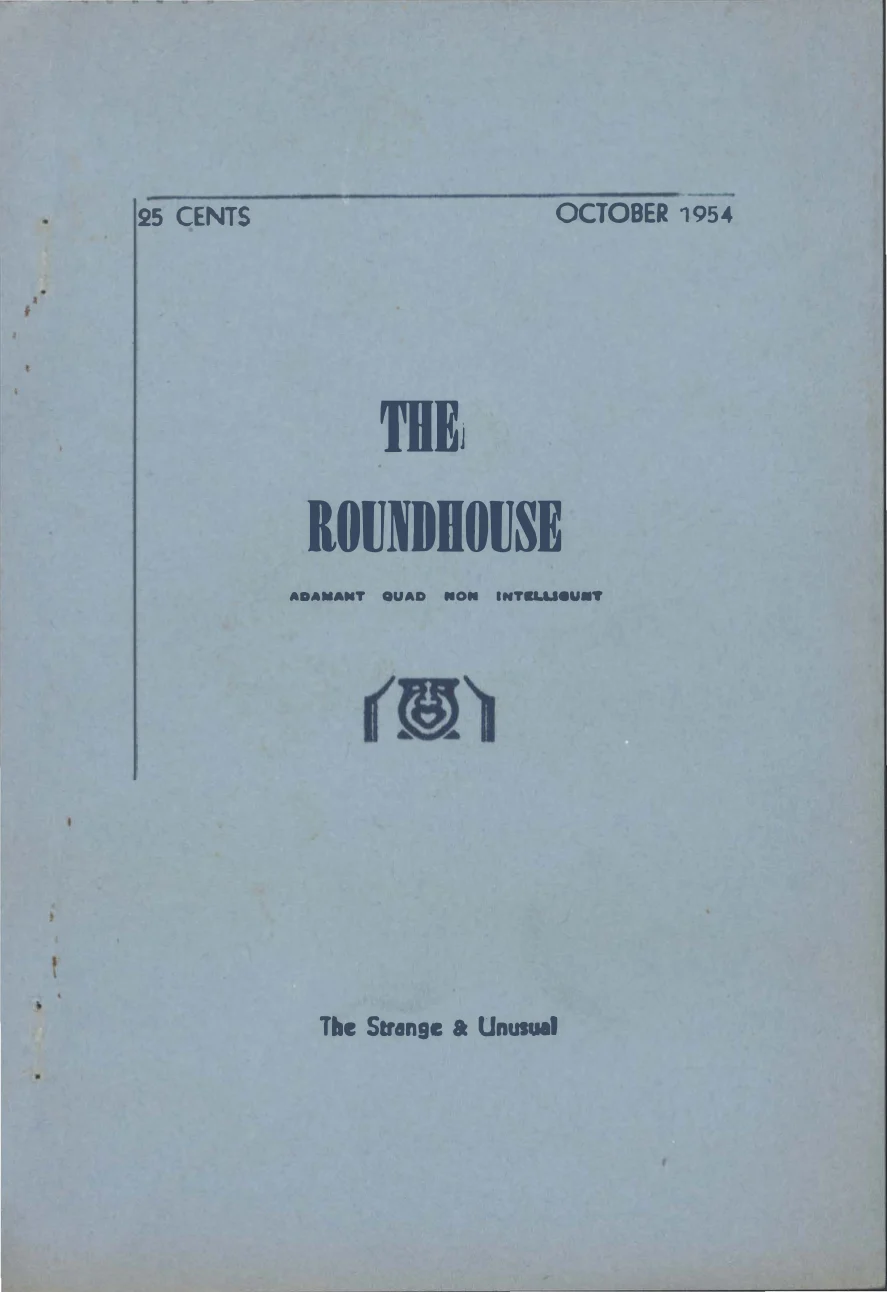
Twenty-Five Cents, October 1954
The oldest full date in this ledger cost twenty-five cents. The Roundhouse was a saucer magazine published by Neal Kearney in Northlake, Illinois, with "The Strange & Unusual" on its cover. Page 6 of the October 1954 issue carries a letter dated 17 September from Charles Laughead, a physician at Michigan State College. He was following the pencil of Dorothy Martin of Oak Park, near Chicago, whose hand wrote messages from space people. Laughead cast it as a play:
"The scene is Chicago and the midwest. The date--Dec. 21, 1954. As the scene opens it is dawn but still dark."
The earth shakes. The tall buildings topple. Lake Michigan rises in a wave.
Most know this from When Prophecy Fails, the 1956 book by Leon Festinger, Henry Riecken and Stanley Schachter. The book prints that same letter with Chicago changed to "Lake City". The magazine has the real name, three months early.
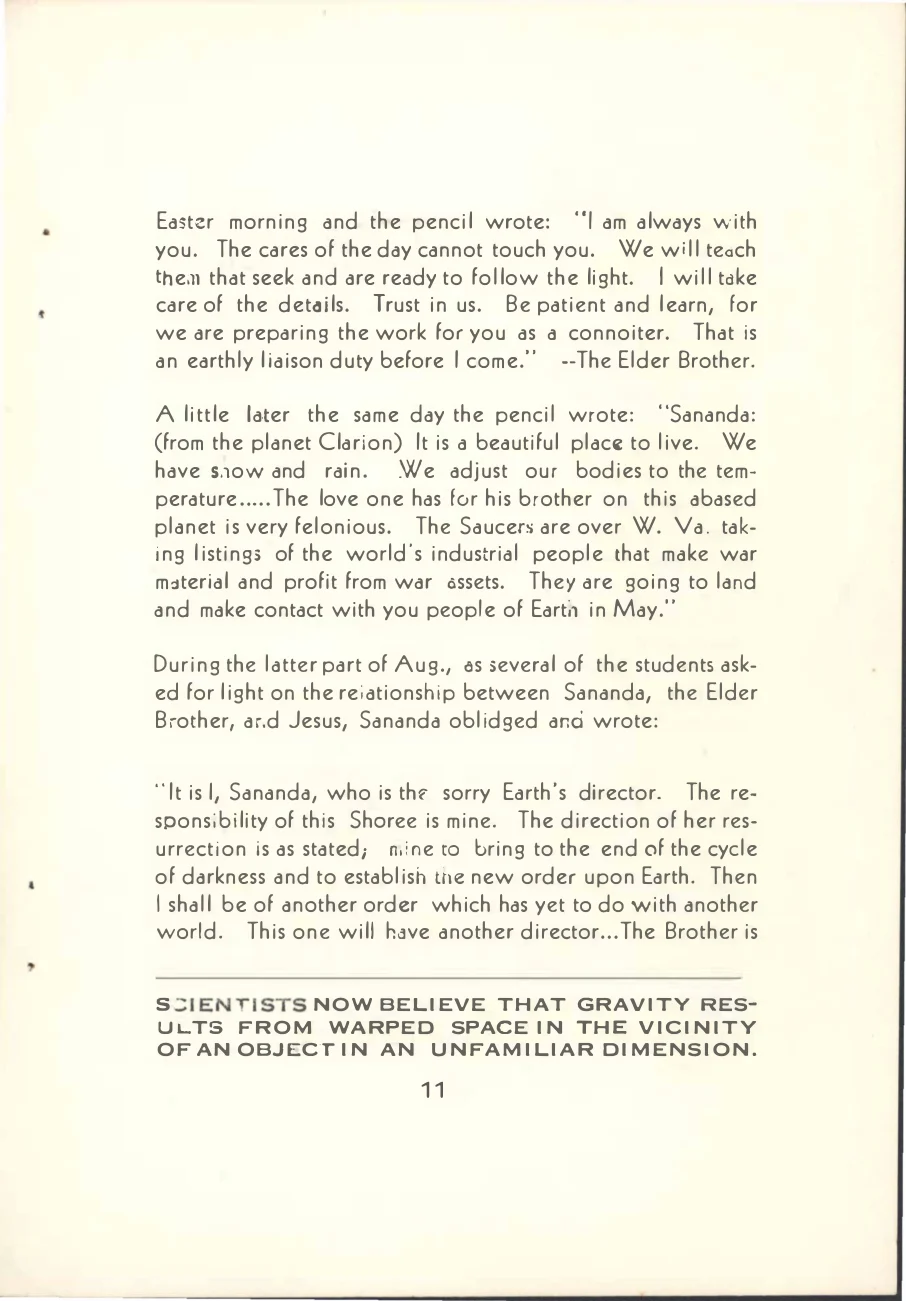
The September issue carried an Easter line from the pencil: "They are going to land and make contact with you people of Earth in May." May had already gone.
That is the method here: the earliest copy, read, and a plain note where the trail stops. Seven came through, not all equal. Some named a day in advance. Some named a season, or were dated afterward:
- 21 December 1954. Dorothy Martin. First printed: The Roundhouse, October 1954. A flood, and rescue by saucer. Neither came.
- 1974 to 2001. Ruth Norman of Unarius. A revelation dated 17 March 1974, read here only as scholars quote it. A fleet landing, later moved to 2001. None landed.
- 17 December 1996. Sheldan Nidle. His update of 22 November 1996: "a mass landing on or before the date". None came.
- 14 October 2008. Goodchild. Earliest captured copies: 10 August and 1 October 2008. No ship.
- November 2009. Mike Quinsey, for SaLuSa of Sirius, on 11 November: an announcement by President Obama, "99% certain", with no day named. In 2011 he said a November date was called off. No announcement.
- 20 October 2014. Nancy Lieder, for the Zetas. Obama to announce a planet, not aliens. ZetaTalk says the date was not revealed until it arrived, and that elites thwarted it. No announcement.
- 2020 to 2033, now 2027. Darryl Anka, for Bashar, as he remembers it in a published transcript dated 25 March 2026. Still open.
A Tower of Saucers
The best of these statements have one thing most of the channeled library lacks: a day, named in advance, that could come and go. Martin's could lose. Nidle's could. Goodchild's could.
The people who made them paid in advance. Martin's circle tore the metal from their clothes, because metal would burn aboard a saucer, and drilled a password: "I left my hat at home." Ruth Norman and her students bought 67 acres in the mountains near San Diego. Thirty-three ships would land there "on top of each other", some of them five miles across, a thousand scientists aboard each, and the stack would become a university and a hospital. In March 1976 she bet $4,000 with Ladbrokes that a landing would come within the year.
Nidle went further than a date. His update of 22 November 1996 called Hale-Bopp "in reality, a large spacecraft".
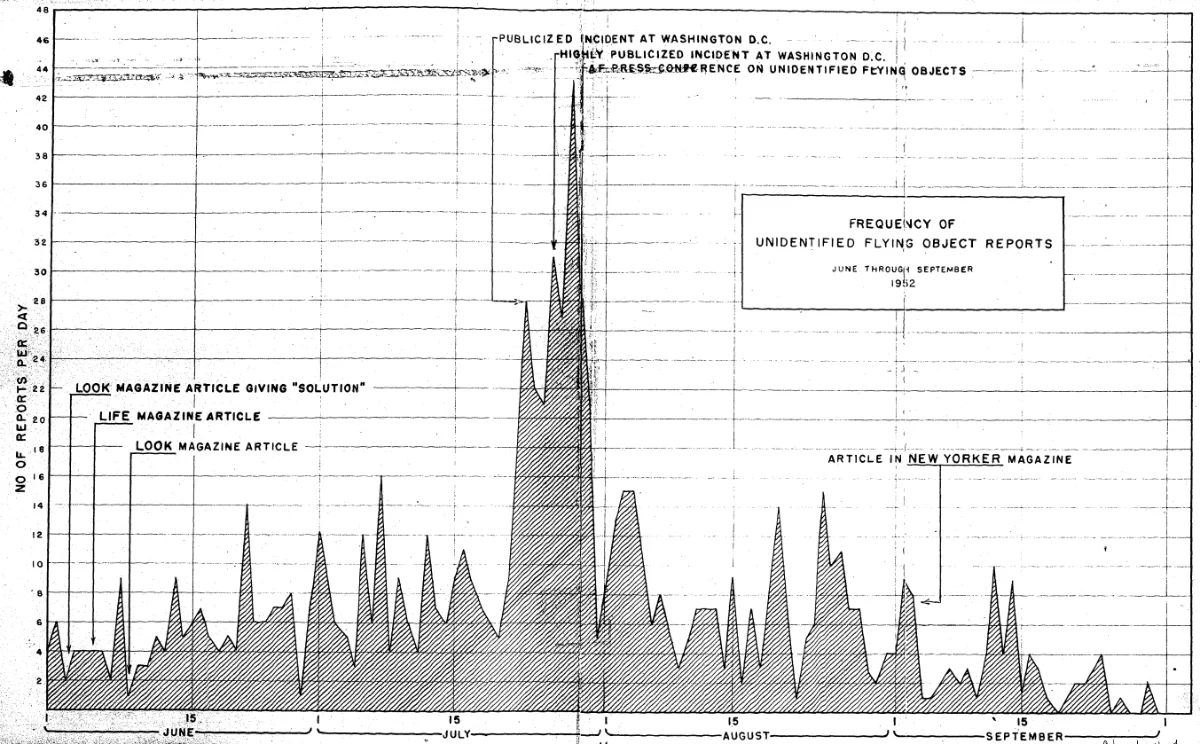
The record has one near-hit, of the kind the faithful keep. At Giant Rock in California, George Van Tassel took down a message in April 1952: "Your pentagon will soon have much to muddle over. We are going to give this globe a buzz." No day on it. His book ties it, afterward, to July 26, 27 and 28, the days of the Washington saucer reports the Air Force charted that summer. He drew that line himself.
And one line through these dates has moved toward government. Quinsey's SaLuSa said it would take an announcement from "the most powerful President on your planet". Anka remembers Bashar's window as 2020 to 2033, narrowed since to probably 2027, with extraterrestrials introduced "by an official report".
On 19 February 2026 President Trump wrote that he would direct agencies "to begin the process of identifying and releasing Government files related to alien and extraterrestrial life". Seven Pentagon releases have followed since 8 May.
Anka calls a prediction "a sensing of the energy that exists at the moment". Which means, on his account, a missed date is a bearing, taken early, on something still coming.
What One True Date Would Mean
Set aside for a moment whether any of these dates held. Ask the better question. What follows if one ever does: named in advance, on a public record, for an event nobody can miss?
It would mean, first, that a channeled source has a reach no instrument has. Not a mood. Not a feeling about the times. A calendar.
It would mean the people in this ledger were early and not wrong. The doctor, the students on their 67 acres, the channeler with a date on her website. On that reading each of them held a true letter with the wrong postmark.
It would mean a human hand can be a receiver. A pencil by a telephone in Oak Park, a woman typing out a session: on that reading the oldest question about the mind, where a sentence comes from, has an answer no laboratory expected.
It would mean our history has been written in front of an audience. Every war and every treaty since 1952 would have happened with somebody reading ahead, and our species would have spent seventy years receiving memos it could not file.
And the largest consequence is the one Anka himself raises. "A prediction can actually make itself obsolete just by becoming known." If that is so, a date is not a fact about the future at all. It is a move. Which would mean every announcement has been a turn in a conversation, and the other party has been adjusting to our reaction.
Our reaction, then, would be the experiment. What a species does when it is told the day, and whether telling it changes the day, is a question no one on this list has answered.
The Calendar's Answer
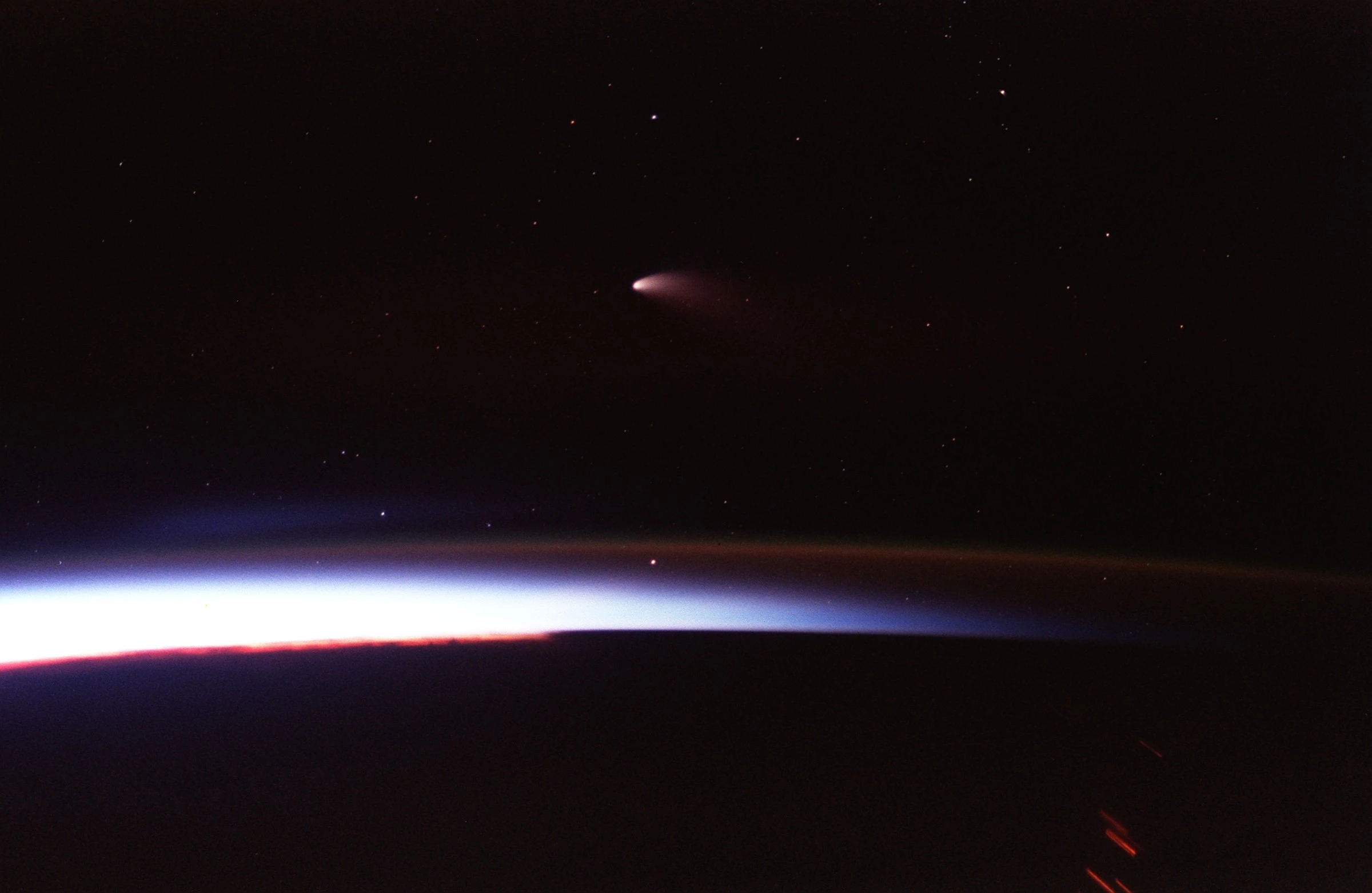
The standard account starts with the ledger itself. Every window but one has closed, and no landing, ship or announcement followed. Astronauts on Columbia photographed Hale-Bopp in April 1997 from orbit, a comet.
The government's own reviews reach the same place by another road. NASA's independent study team wrote in September 2023: "At this point there is no reason to conclude that existing UAP reports have an extraterrestrial source." The Pentagon's All-domain Anomaly Resolution Office wrote in November 2024 that it "has discovered no evidence of extraterrestrial beings, activity, or technology." None of these reports calls any object non-human. David Grusch used the word "non-human" under oath in July 2023, reporting what people on a program assessed, and the Defense Department answered that it had found no verifiable information to back the claim. The 2026 releases come with the Pentagon's note that the public can make up its own minds.
As for what happens after a miss, the classic account is Festinger's. Faced with a date that failed, a committed group with company around it does not quit. It recruits. Diana Tumminia, in her Oxford book When Prophecy Never Fails, found Unarius turning each failure into story: Unarians, she and R. George Kirkpatrick wrote, found the explanation for the wrong date in past-life karma. J. Gordon Melton put it in one line in 1985: "within religious groups, prophecy seldom fails". The standard account treats the messages as the work of the people who wrote them down, and the moved date as what groups do.
The Man With the Zipper
Except the most famous part of that account is now contested.
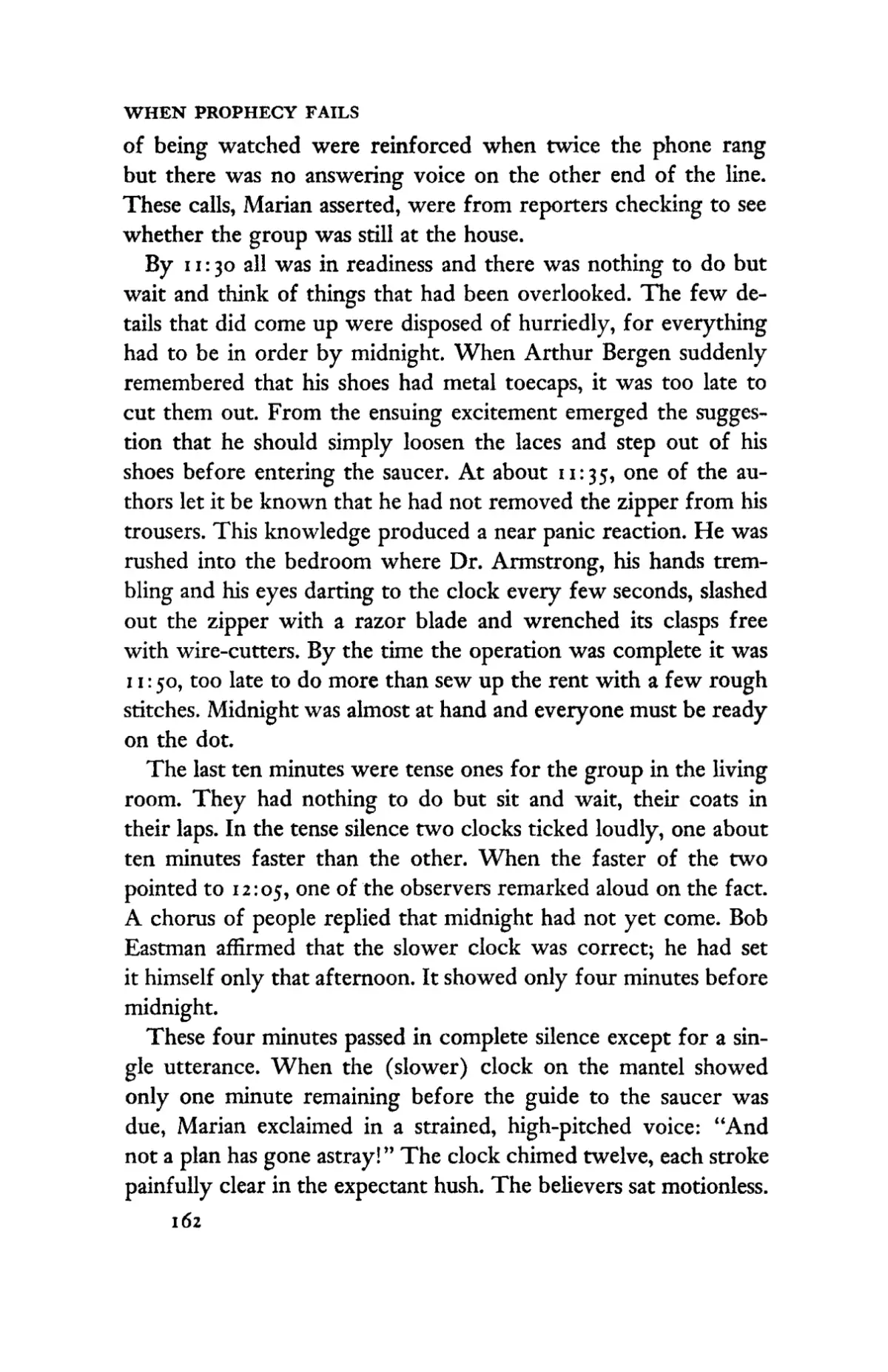
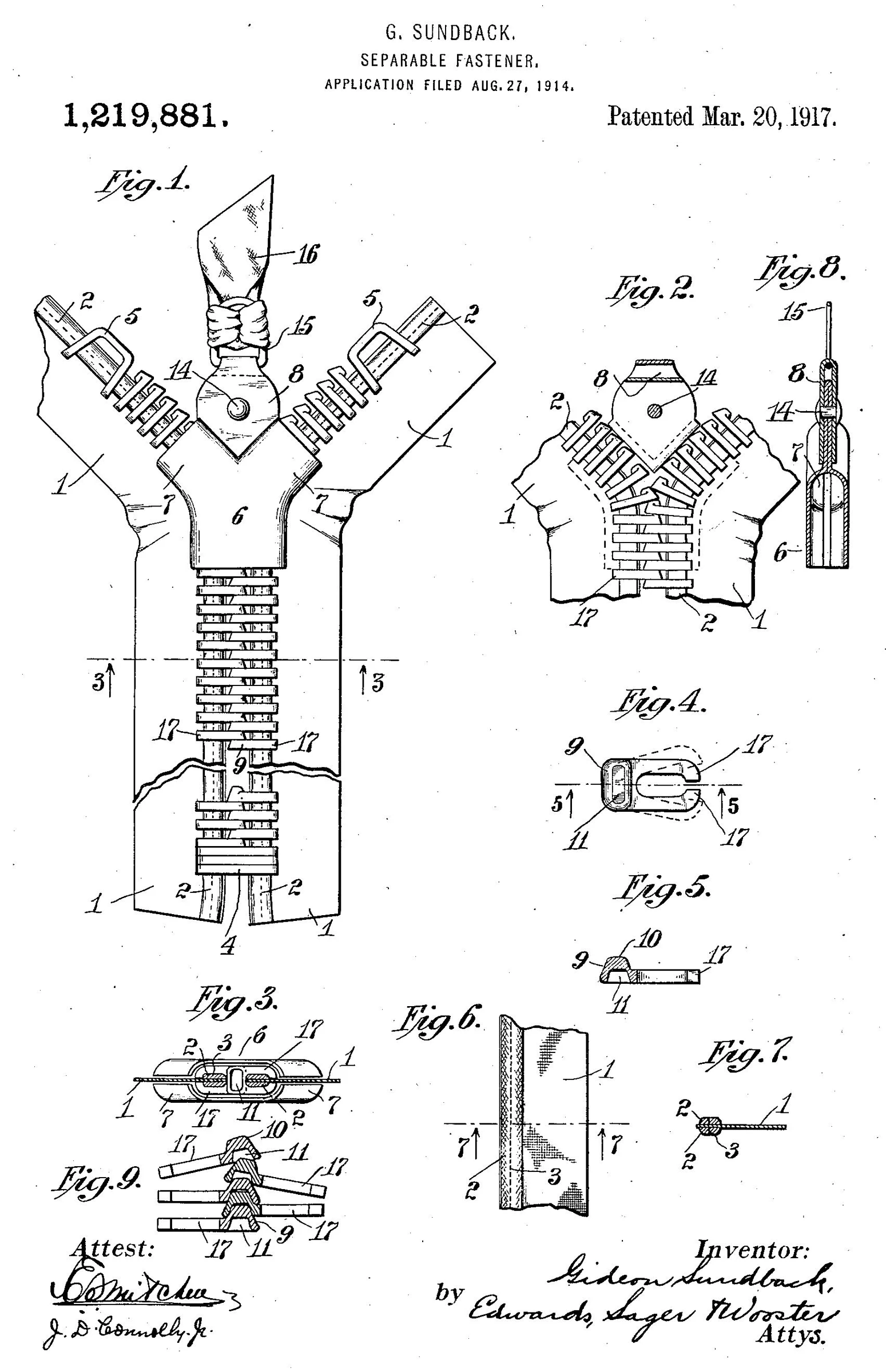
At 11:35 on the night of 20 December 1954, one of the authors of When Prophecy Fails let it be known he still had a zipper in his trousers. The book records it. Laughead, under the name Dr. Armstrong, his hands shaking, cut it out with a razor blade. A social scientist, on the night of the study, being prepared for a saucer by his subject.
In a paper in the Journal of the History of the Behavioral Sciences, accepted in October 2025, Thomas Kelly went through Festinger's newly unsealed papers at the University of Michigan and concluded that the book's "central claims are false". The group was recruiting before the date, he writes, and belief soon collapsed. Riecken sat among them as "Brother Henry". A faded note, which Kelly read with ChatGPT's help, calls him "the favorite son of the Most God". Riecken's own note says he "precipitated what seems to have been quite a scene" in the house that night. Poulomi Saha of Berkeley says Kelly cherry-picks. Thibault Le Texier faults the book's method and says the theory of dissonance stands on much more than this one study. On Kelly's reading, the case that taught the world what people do after a miss was steered from inside the room. Which means, on his critics' reading, only that one room has been lost.
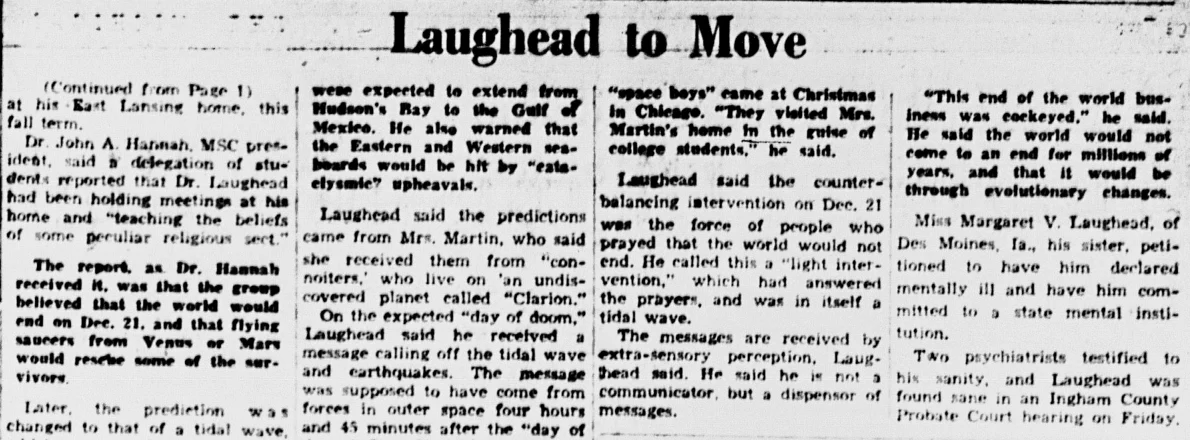
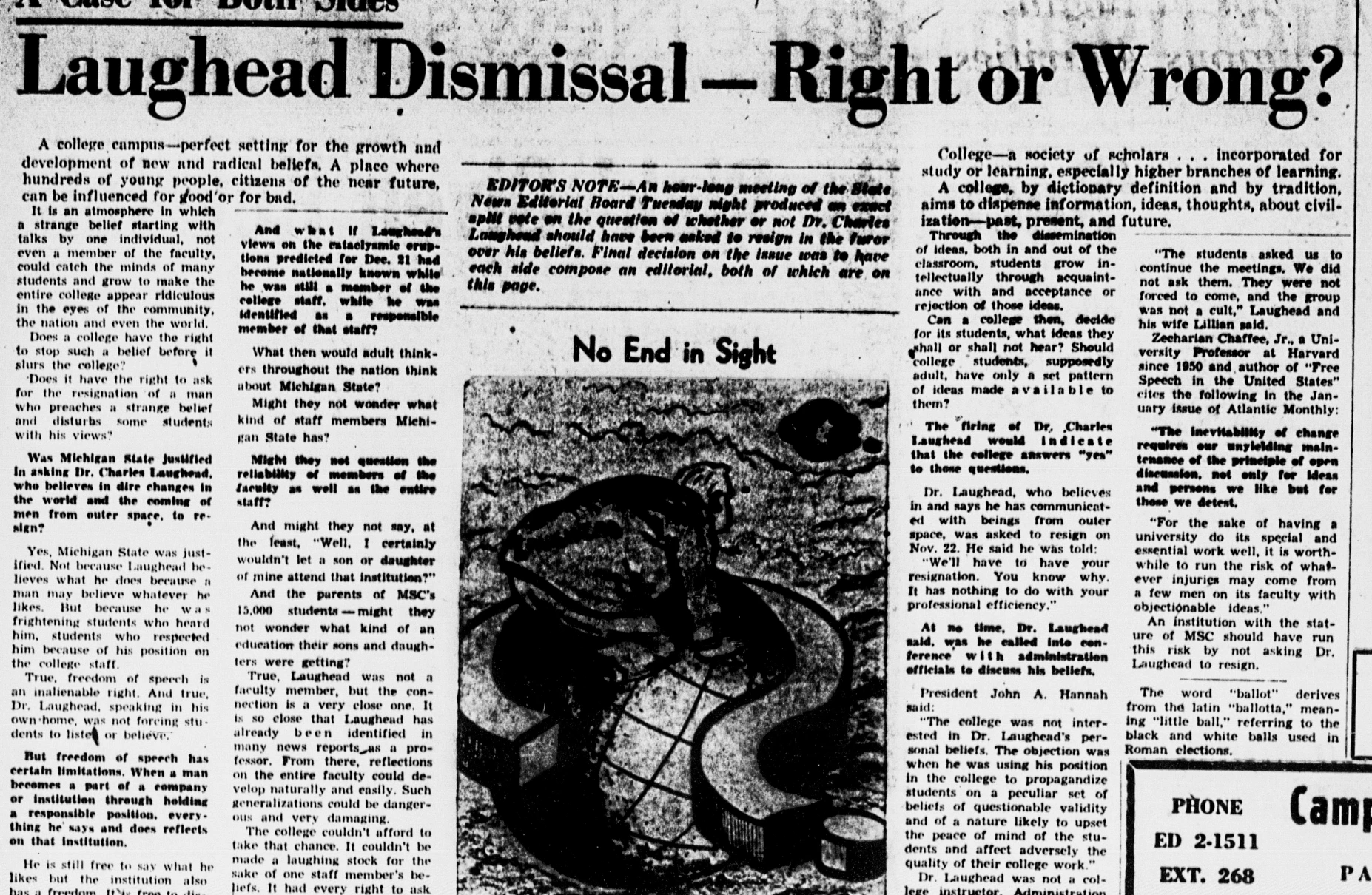
Then the doctor himself, on a page Kelly's paper does not cite. The Michigan State News, 6 January 1955: "This end of the world business was cockeyed." In the same interview he said a message had called off the wave, that prayer had worked "a light intervention", that there had been "a spiritual tidal wave", and that the day was a test from the "space boys". He dropped the end of the world and kept the spacemen. A little of the book's account. A little of Kelly's.
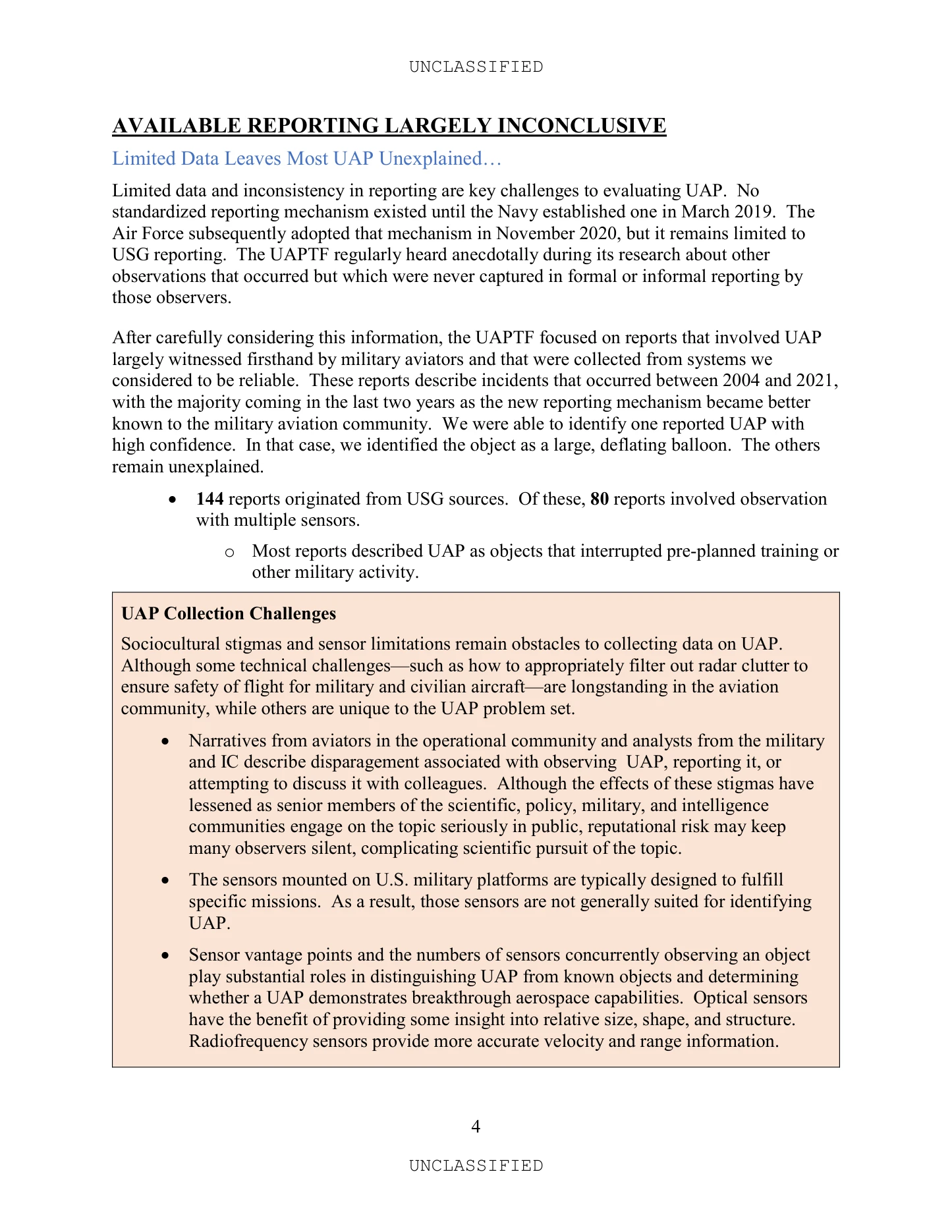
Nor do the reviews above reach everything. The intelligence community's June 2021 report took 144 reports and identified one, a large deflating balloon. "The others remain unexplained." That is not a channeled date. It is a record the word "nothing" does not cover.
And the trace has its own losses. The "78 hours" repeated about Goodchild's ship is not in her text, which says at least three periods, 72 hours. It says the south of "your hemisphere", then gives the name Alabama. Nidle's 17 December is not confirmed in his 1994 book, which gave a range. For the fleet "decloaking" dates pinned on Ashtar from 2017 to 2025, this search found no original.
The figure in circulation for Bashar's window is 2025 to 2033. The earliest dated mention found is a forum user's paraphrase of 9 June 2014. Anka's own memory says 2020. Official X looked for the session.
It did not find it.
2027
On 31 October 2026 the record stands here. The seventh Pentagon release came on 23 October. Of the first, the department said many files were screened for security only and "have not yet been analysed for resolution of any anomalies". AARO's newest annual report, posted in July: "To date, no evidence suggests that a USG or private entity has ever captured or exploited UAP-derived materials." And the president named in the 2009 and 2014 lines answered for himself in February 2026: "I saw no evidence during my presidency that extraterrestrials have made contact with us."
The people in the ledger have moved too. Goodchild still publishes for the Federation of Light, with no date for contact. Her session after the miss said "IT WAS NOT A FAILURE"; Nidle's update of January 1997 said "you are in a hologram". Why dates move is another story. Bashar's official site now says he will no longer take questions on making predictions in private sessions.
Yet Anka, in that transcript, puts it at probably 2027 and calls 2026 the year of disclosure. Asked what happens if it does not come, and whether he would learn why: "Okay, absolutely. But it will happen. It's inevitable at this point."
Six lines of the ledger have an answer in the last column. One has a year, a sentence in a podcast transcript, and no first recording that this search could open.
It will be read against the same calendar as the others. The calendar has not yet been wrong.
Questions This Leaves You With
Is there anything a person actually does with this?
Nothing in this ledger asks anything of your own week, and nothing follows from it for your own life. The one date still open is a claim in a transcript, and anyone selling a date is selling something. The larger question belongs to the civilization: what would a public, dated, advance statement have to look like before it counted? You could write that test down yourself, before the next date arrives, the way Goodchild's message did by accident. A day, a thing, a place, and a camera.
Does this sit against a religious account of the world?
It cuts both ways, and serious people have argued each. The Roundhouse printed that Jesus "is a space man and, as Sananda, visits Earth today", which some readers would hear as a new revelation and others as a borrowed name. Scholars such as Melton study date-setting as something religious groups survive and reinterpret, not as proof against faith. A failed date tests the channel. Whether it tests what the channel claimed to speak for is another matter. Official X will not tell you which way that falls for you.
Does this change what a human life is?
Think of the people who cut the metal out of their clothes, or bought 67 acres, or put their names on a date. One way to read them, your life is smaller for it: anyone can be carried off by a sentence that arrives with enough love in it. Another way, it is larger: these were people prepared to give up their standing for the chance of being told something enormous, and to be seen waiting. You may already know which of those you felt first.
What would change your mind, in either direction?
Name it now, while nothing is riding on it. Toward the channelers: a date on a record you can check, published before the event, for something that cannot be read in the news, followed by that event. A session recording, dated, with a year spoken on it would count for something too. The other way: 2027 closing like the others, and the same words reappearing with a new year. Decide also what you would do with a hit. One right date out of dozens may be luck, and Kelly's paper argues how far a tidy story can drift from its own archive.
Where are the first copies nobody has opened?
This whole ledger stands on what survived. You now know that When Prophecy Fails calls the first newspaper story of 23 September 1954 the Lake City Herald, a name it made up, and this search could not identify the real paper. The Unarius newsletters of 1974 to 1976 sit in a library that lends and does not show. Goodchild's first video was not seen. Each of those could move a date, or a word. If the real first copy of any of them differed from what has been repeated since, what else here would you want read again?
More photographs
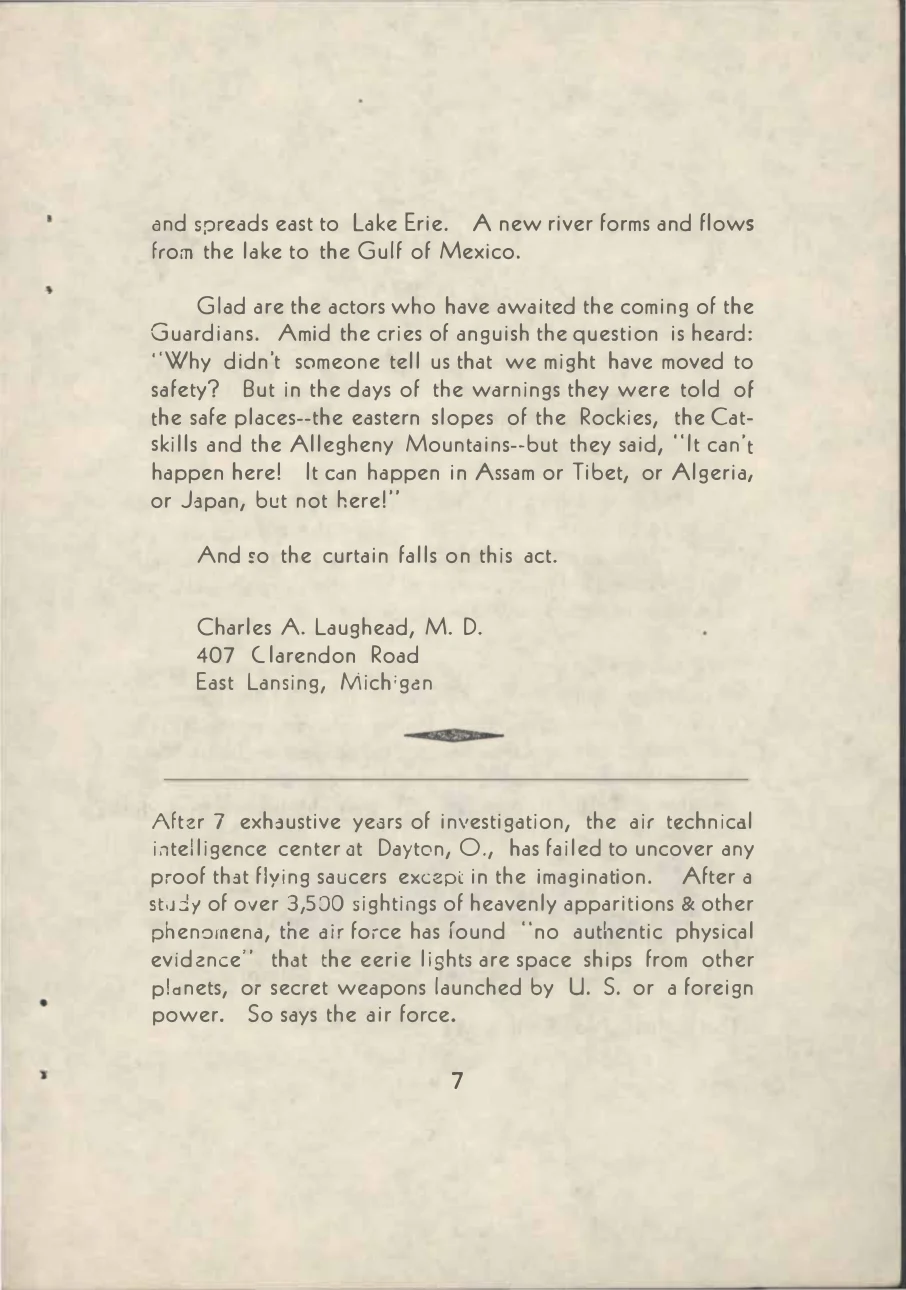
The Roundhouse, October 1954, p.7: the rest of Laughead's letter, with a new river from the lake to the Gulf of Mexico. The Roundhouse, vol. 3 no. 12, October 1954, published by Neal Kearney, no copyright notice, public domain in the US. Scan via Archives for the Unexplained. 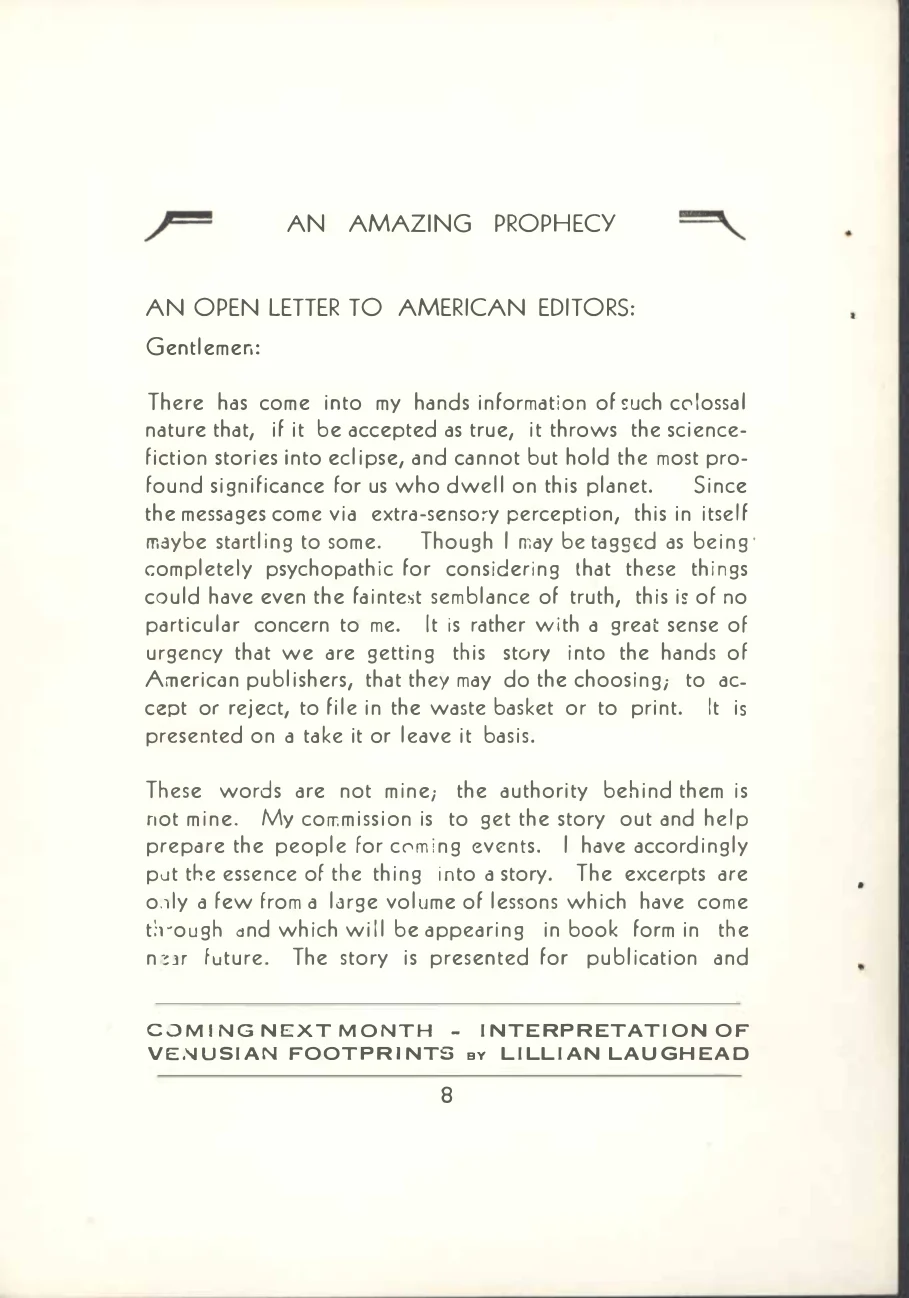
The Roundhouse, September 1954, p.8: An Amazing Prophecy, Laughead's open letter. The Roundhouse, vol. 3 no. 11, September 1954, published by Neal Kearney, no copyright notice, public domain in the US. Scan via Archives for the Unexplained. 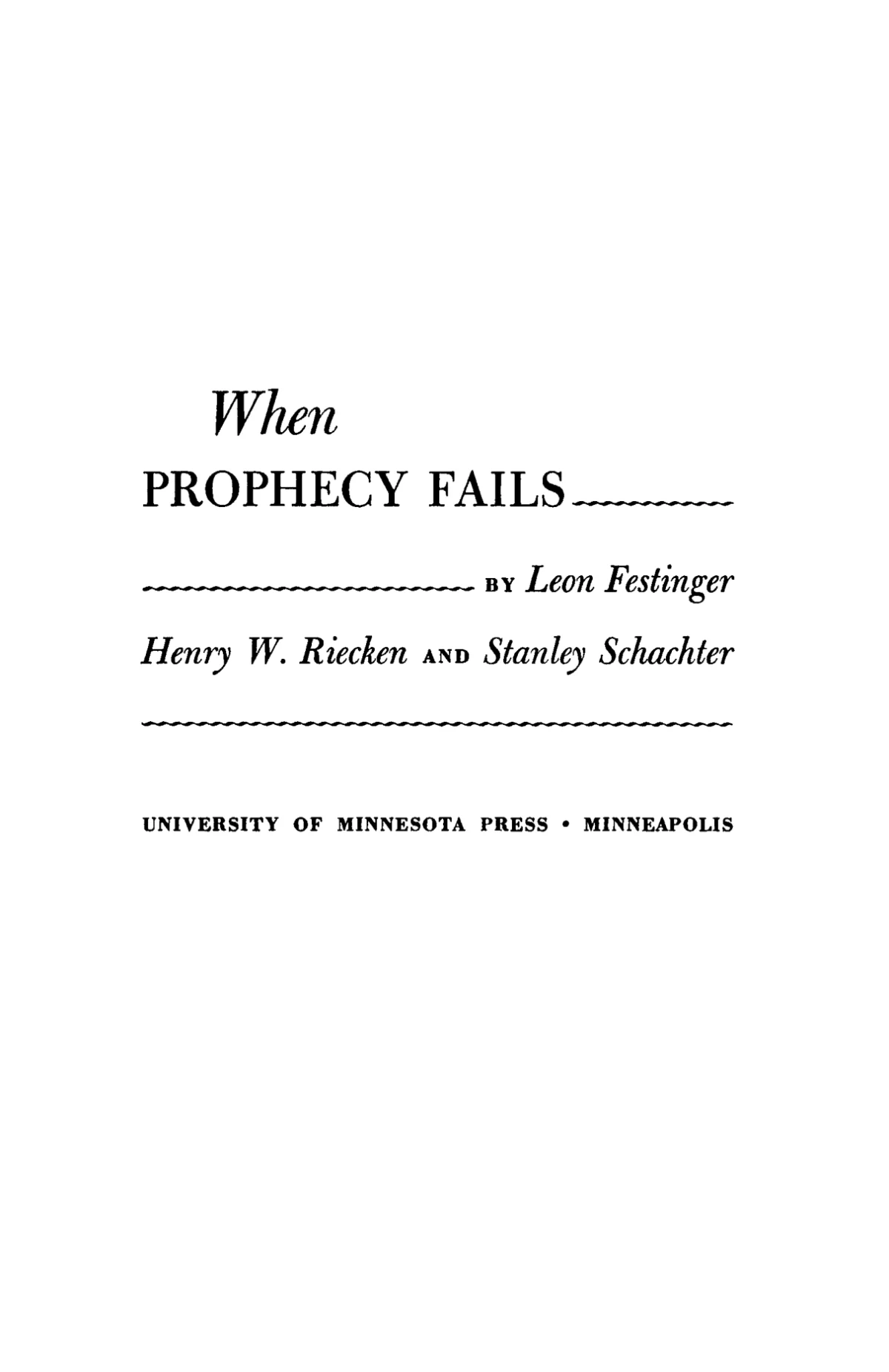
Title page of When Prophecy Fails, University of Minnesota Press, 1956. Festinger, Riecken and Schachter, When Prophecy Fails, University of Minnesota Press, 1956. No renewal found, public domain in the US. Scan via Internet Archive. 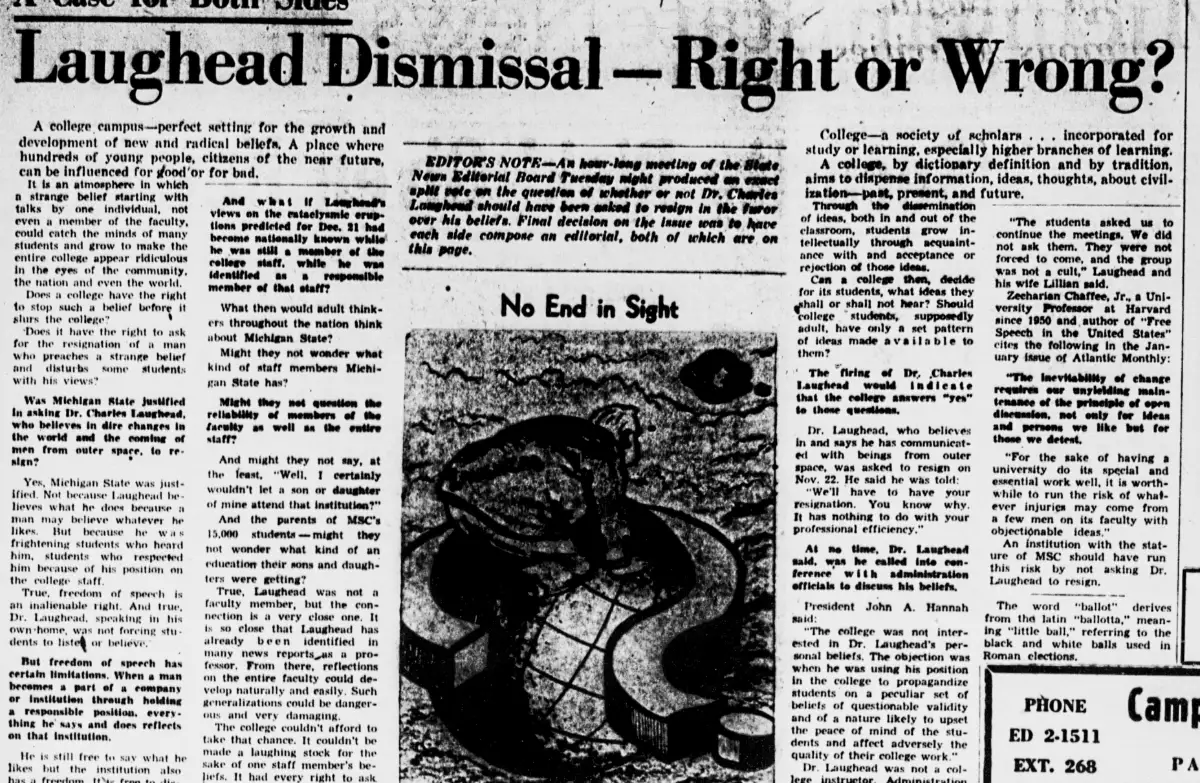
Michigan State News, 6 January 1955, p.2: the student paper argued the dismissal both ways. Michigan State News, 6 January 1955, p.2, no copyright notice found, public domain in the US. Scan via Michigan State University Archives. Cropped. 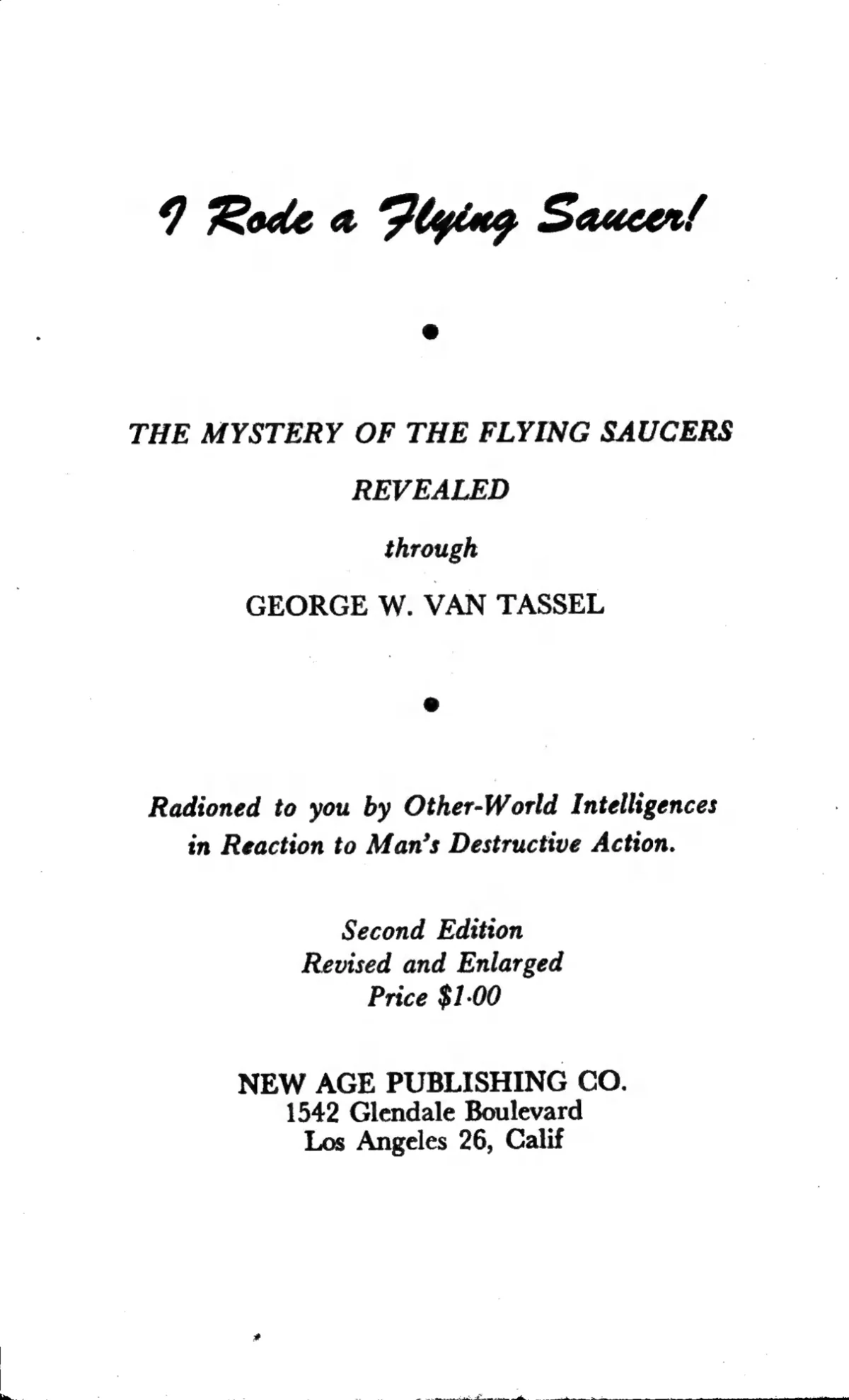
Title page of the second edition of George Van Tassel's I Rode a Flying Saucer!, revised and enlarged. George W. Van Tassel, I Rode a Flying Saucer!, second edition, New Age Publishing Co., copyright 1952. No renewal found, public domain in the US. Scan via Internet Archive. 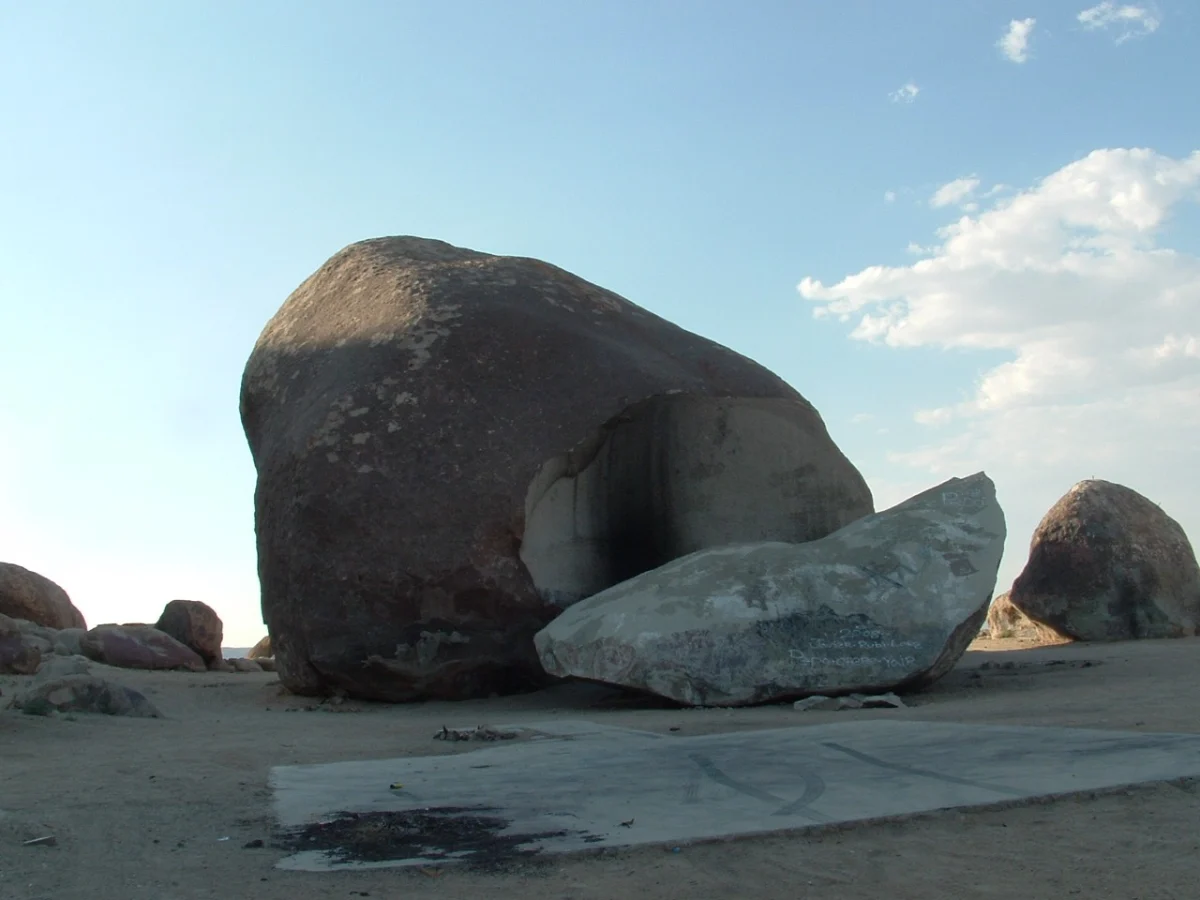
Giant Rock near Landers, California, on 5 July 2008, with a fragment that broke away from it. Photo: Tomwhite56 at English Wikipedia, public domain, via Wikimedia Commons. 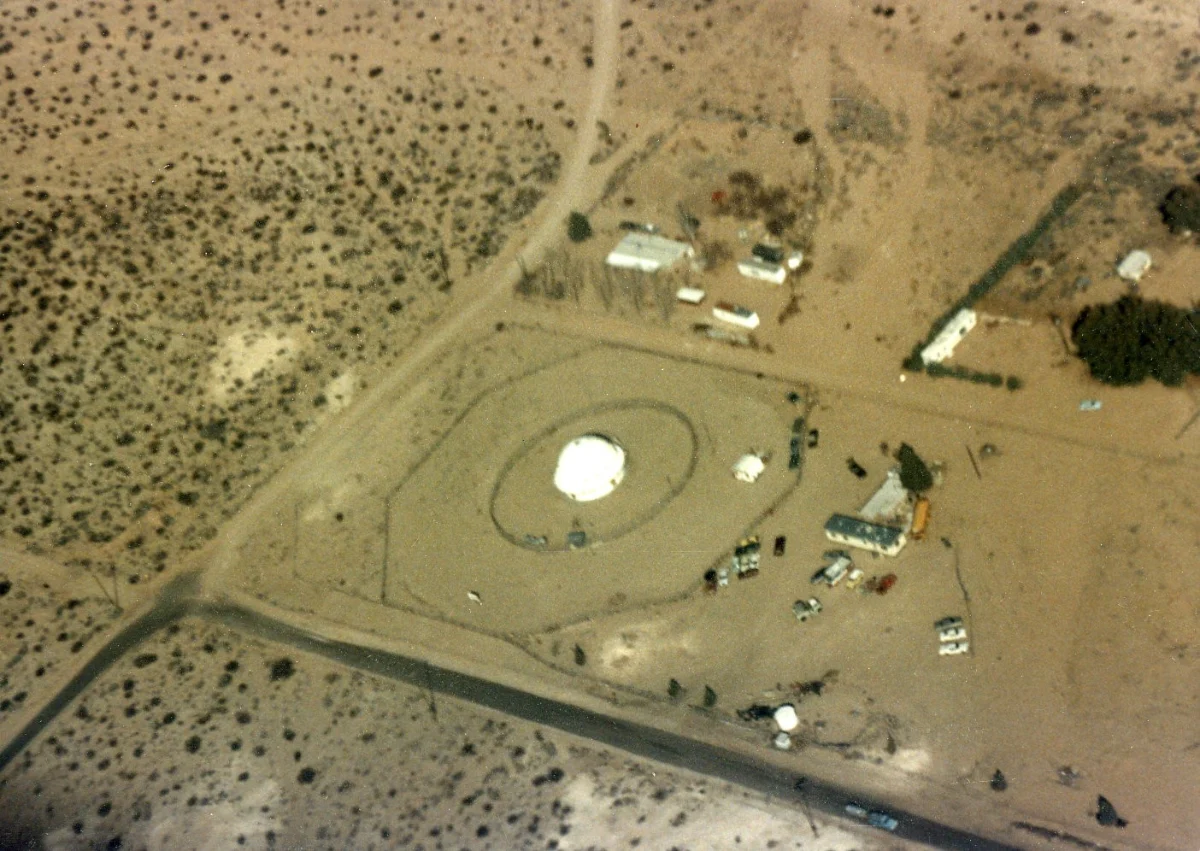
The Integratron, the dome Van Tassel built near Giant Rock, seen from the air on 15 June 1975. Photo: Ray S (CA), CC BY-SA 4.0 (creativecommons.org/licenses/by-sa/4.0), via Wikimedia Commons. Resized. 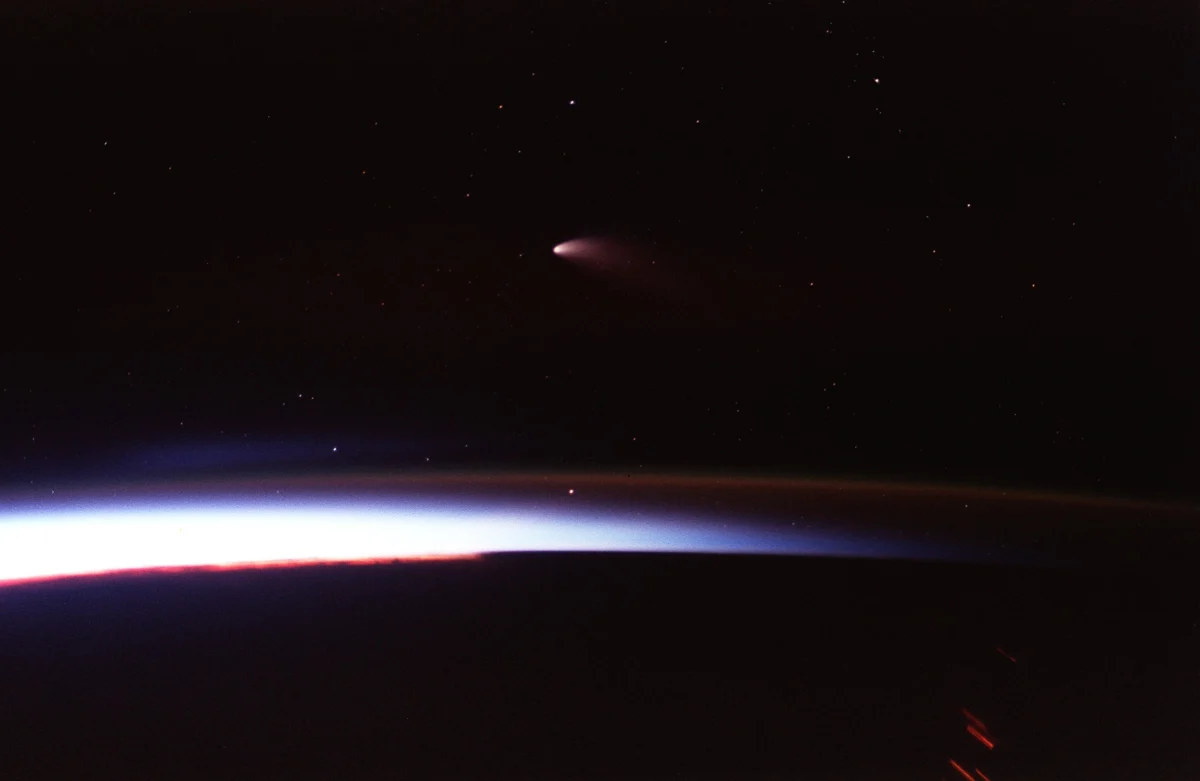
Comet Hale-Bopp photographed from Columbia during STS-83, April 1997. NASA, April 1997 (sts083-507-023), public domain, via Wikimedia Commons. Resized. 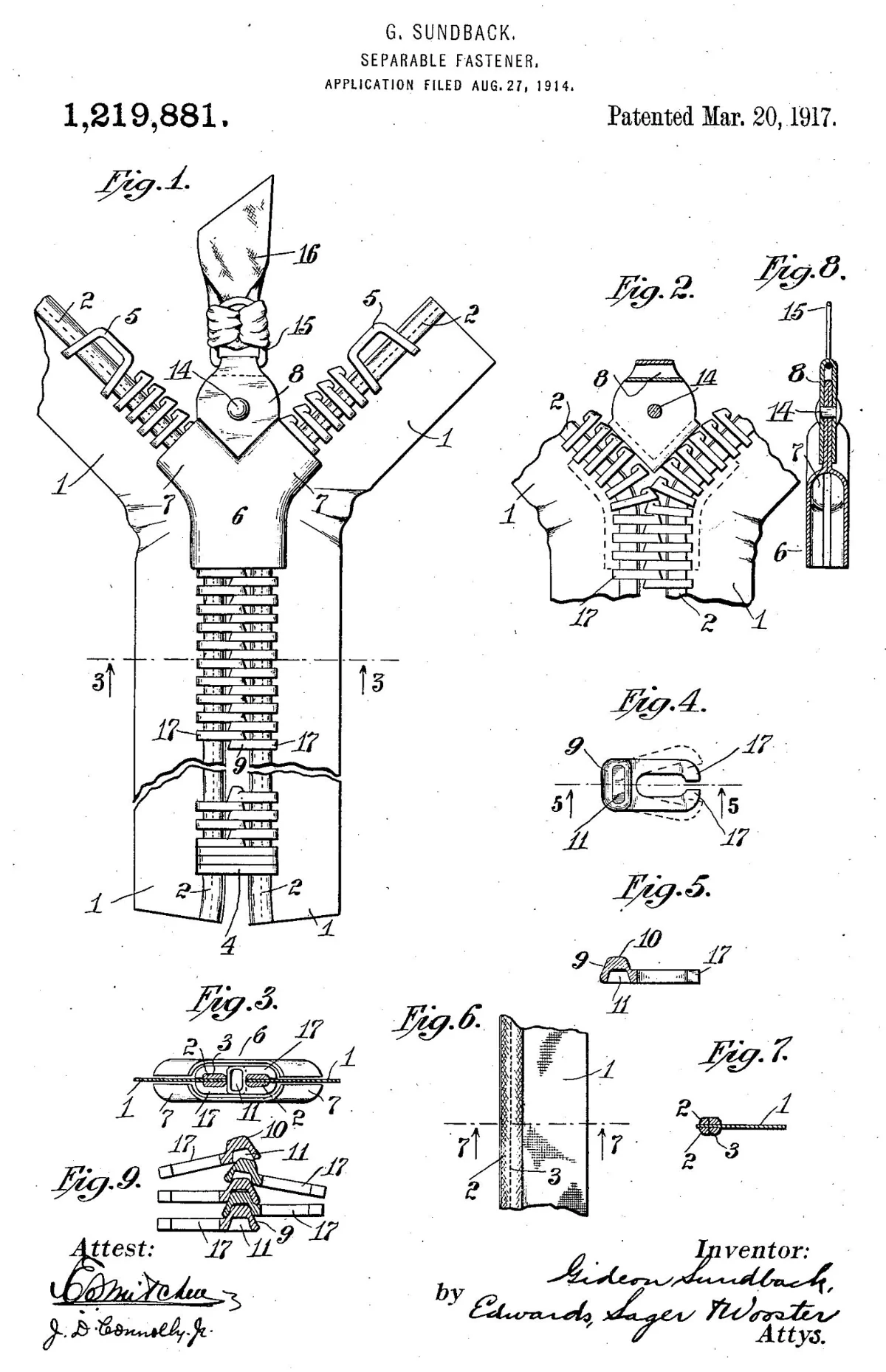
US patent 1,219,881 of 20 March 1917 for the separable fastener, the zipper, by Gideon Sundback: the kind of metal the Seekers cut away, not the one in those trousers. Gideon Sundback, US patent 1,219,881, 20 March 1917, public domain, via Wikimedia Commons. Resized. 
High waves in Lake Michigan along the Chicago shoreline on 31 October 2014, sixty years after the date. Photo: L.S. Gerstner, NOAA Great Lakes Environmental Research Laboratory, CC BY-SA 2.0 (creativecommons.org/licenses/by-sa/2.0), via Wikimedia Commons. Resized. 
Hubble's Science Instrument Control and Data Handling Unit, in the picture ESA/Hubble released on 1 October 2008 with its notice that the telescope had entered safe mode. Photo: NASA & ESA, CC BY 4.0 (creativecommons.org/licenses/by/4.0), via ESA/Hubble. Resized.

Select a photograph to see it full size, with its caption and credit.
Downloads
- The Roundhouse, vol. 3 no. 12, October 1954 (scan)Neal Kearney, Northlake, Illinois
- The Roundhouse, vol. 3 no. 11, September 1954 (scan)Neal Kearney, Northlake, Illinois
- When Prophecy Fails, Festinger, Riecken and Schachter, 1956 (full scan)University of Minnesota Press
- I Rode a Flying Saucer!, George W. Van Tassel, second edition (1952 copyright; scan)New Age Publishing Co.
Sources
- The Roundhouse, vol. 3 no. 12, October 1954 (scan) Neal Kearney, Northlake, Illinois Primary record
- The Roundhouse, vol. 3 no. 11, September 1954 (scan) Neal Kearney, Northlake, Illinois Primary record
- When Prophecy Fails, Festinger, Riecken and Schachter, 1956 (full scan) University of Minnesota Press Primary record
- Laughead to Move, Plans Trip East, Michigan State News, 6 January 1955, pp.1 and 3 Michigan State University archive Primary record
- I Rode a Flying Saucer!, George W. Van Tassel, second edition (1952 copyright; scan) New Age Publishing Co. Primary record
- Update by Sheldon Nidle, 22 November 1996, earliest capture 27 June 1998 Planetary Activation Organization, via Wayback Machine Primary record
- Update by Sheldon Nidle, 7 January 1997, capture 27 June 1998 Planetary Activation Organization, via Wayback Machine Primary record
- You Are Becoming a Galactic Human, Essene and Nidle, 1994: review Odd Books Study
- The Message, Blossom Goodchild, capture 1 October 2008 blossomgoodchild.com, via Wayback Machine Primary record
- October 14 page, Blossom Goodchild, capture 10 August 2008 blossomgoodchild.com, via Wayback Machine Primary record
- Channellings, page 6, capture 7 December 2008 blossomgoodchild.com, via Wayback Machine Primary record
- Channellings after the 14th, capture 1 November 2008 blossomgoodchild.com, via Wayback Machine Primary record
- Blossom Goodchild, home page, read 31 October 2026 blossomgoodchild.com Primary record
- Phases of the Moon, 2001 to 2100 NASA Goddard Primary record
- Hubble's return to operations, ann0814, 2008 ESA/Hubble Primary record
- SaLuSa, 11 November 2009, Mike Quinsey Galactic Channelings Primary record
- Interview with Mike Quinsey, 14 March 2011 Galactic Channelings Primary record
- ZetaTalk newsletter, issue 310, 9 September 2012 ZetaTalk, Nancy Lieder Primary record
- ZetaTalk newsletter, issue 423, 9 November 2014 ZetaTalk, Nancy Lieder Primary record
- ZetaTalk newsletter, issue 160, 22 November 2009 ZetaTalk, Nancy Lieder Primary record
- Darryl Anka on Mayim Bialik's Breakdown: transcript, 25 March 2026 The Singju Post Study
- Darryl Anka: interview transcript, episode 236 Buddha at the Gas Pump Primary record
- Private sessions Bashar Communications Primary record
- Above Top Secret thread 872850, page 15, 9 June 2014, capture 13 July 2014 Above Top Secret, via Wayback Machine Primary record
- Unarius World Religions and Spirituality Project; Diana Tumminia Study
- The Gods Have Landed, ed. James R. Lewis, 1995 SUNY Press Study
- When Prophecy Never Fails, Diana G. Tumminia, 2005 Oxford University Press Study
- Ruth Norman Wikipedia General reference
- Debunking When Prophecy Fails, Thomas Kelly, 2026 Journal of the History of the Behavioral Sciences 62, e70043 Study
- Reassessing When Prophecy Fails, November 2025 Mother Jones Study
- Report of the UAP Independent Study Team, September 2023 NASA Primary record
- FY2024 Consolidated Annual Report on UAP, November 2024 AARO, via Wayback Machine Primary record
- FY2025 Consolidated Annual Report on UAP, 2026 AARO, via Wayback Machine Primary record
- Preliminary Assessment: Unidentified Aerial Phenomena, 25 June 2021 Office of the Director of National Intelligence, via Wayback Machine Primary record
- UFO hearing takeaways, 27 July 2023 NPR Study
- Trump orders release of files on UFOs and aliens, 20 February 2026 Al Jazeera Study
- Make up their own minds: first tranche, 8 May 2026 Al Jazeera Study
- Pentagon begins releasing new files, 8 May 2026 PBS News Study
- Seventh release of UAP files, 23 October 2026 Military Spot, reprinting the Department of War Study
- Air Force frequency graph of UFO reports, September 1952 Project Blue Book Status Report 8, via Wikimedia Commons Primary record
- Comet Hale-Bopp from Space Shuttle Columbia (STS-83) NASA Primary record
- George Van Tassel and Giant Rock (site article) Official X General reference