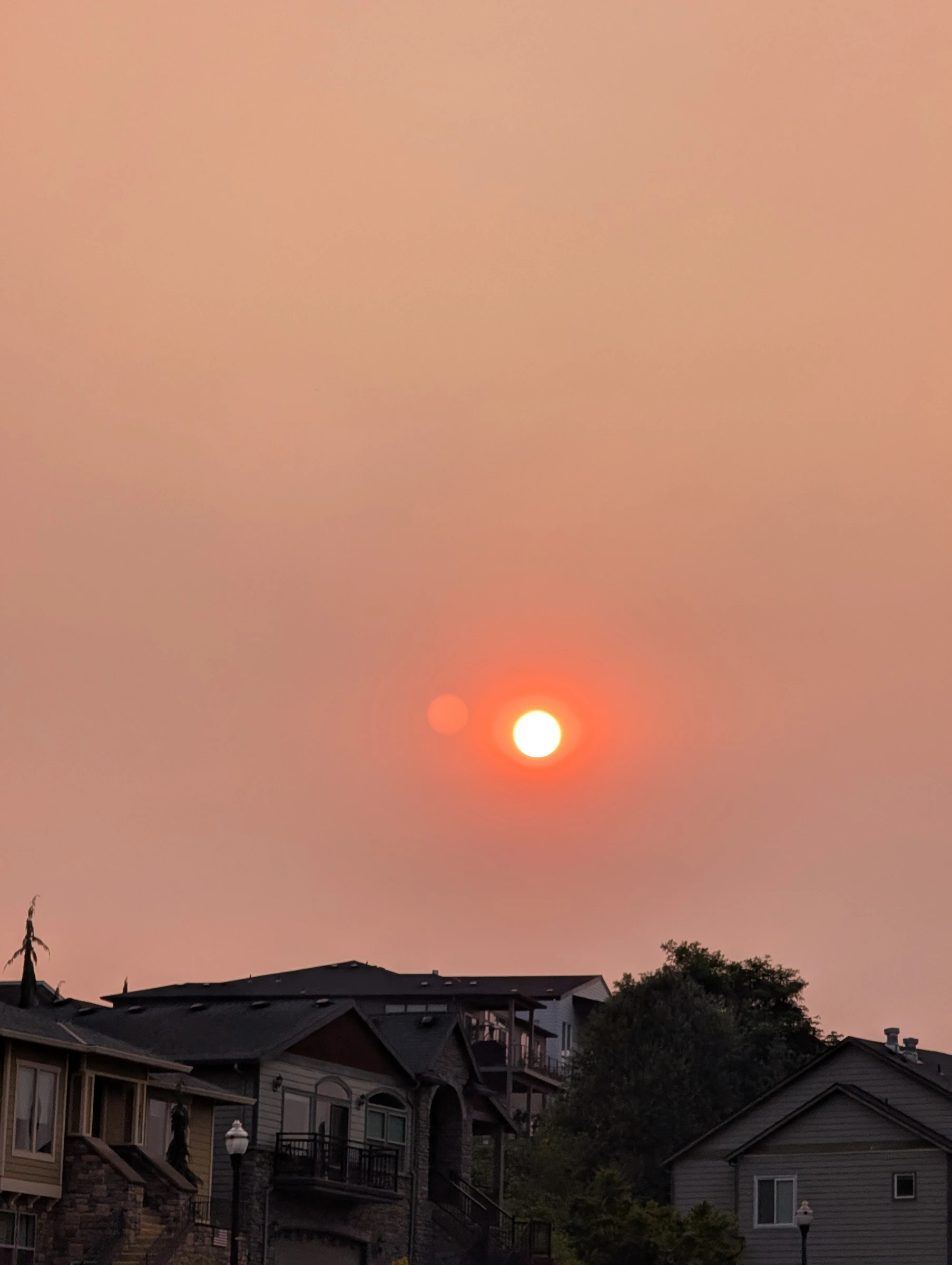
Is Earth in its final months before the planet Nibiru passes, as ZetaTalk said in September 2026? The question arrives with a photograph. A quiet street in Aberdeen, Washington, at 7:20 in the morning on 21 September 2026. Power lines, a stop sign, parked cars, a pale peach sky. Low over the rooftops hangs an orange disc, soft at the edge, dim enough to look at straight on.
Across the top of the copy on ZetaTalk, Nancy Lieder's long-running site of answers from beings she calls the Zetas, runs the line: "That's not the Sun and not the Moon. What is that?"
The answer came in the site's chat page for September 2026. It is the Dark Twin, the Zetas said: a planet that shares Earth's orbit, and is now very close. And it is about to move. "We have predicted that during the Last Weeks, mere months from now, the Dark Twin and Venus will be squeezed from the Eddy Flow Cup."
Mere months. The passage itself, the same page says, is "estimated to occur in February."
A month on a calendar that is already printed.
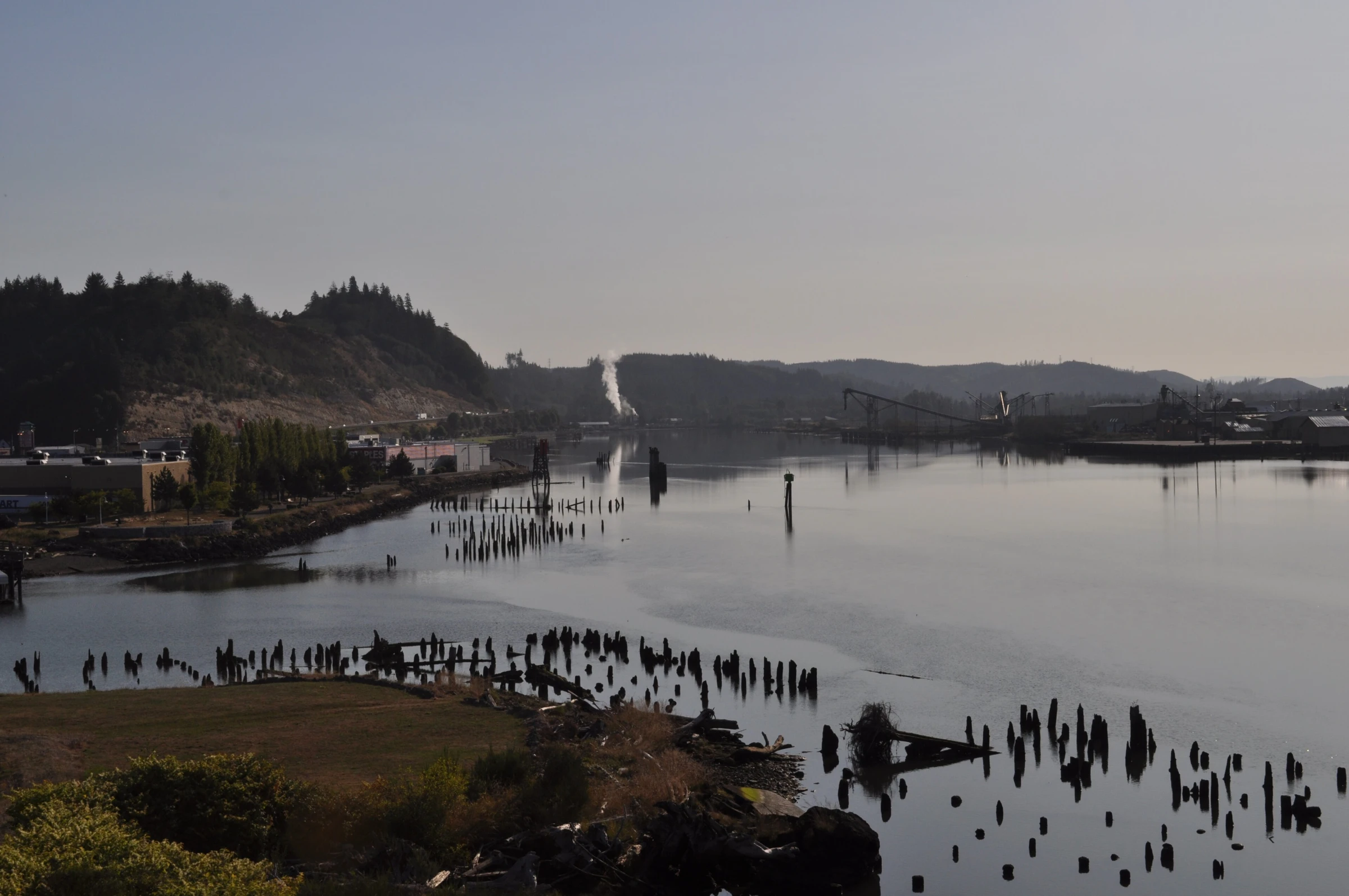
Ninety Days
ZetaTalk has been written in public since January 1995, and every month a new page goes up: readers' questions, readers' photographs, and under each one the Zetas' answer, relayed by Nancy Lieder. The September 2026 page carries the Aberdeen sunrise and this, plainly: "We are close to the time when the 7.3 weeks of the Last Weeks will ensue, with a Passage estimated to occur in February."
The newsletter of 2 August 2026 had already set it down: "The date of Passage is currently predicted to occur in February, 2027 with the Last Weeks during the 7.3 weeks prior." It added, "as we have but months to go before the Passage." The October chat widened the window to "February/March of 2027." The November chat, still being written when it was read for this article on 8 November, counts down: "At present, there are approximately 90 days until the predicted Passage date in February."
The Last Weeks themselves have been laid out since 14 August 2010, on a page called Last Weeks Countdown, day by day. A 9 day Severe Wobble. 4.5 days of lean to the left. 2.5 days sliding toward darkness. 3 Days of Darkness. 6 days of Sunrise West. 18 days of slowing rotation. Then "6 (5.9) days of Rotation Stoppage." Forty-nine days, added up.
Then the passage, the body the Zetas say is "4-5 times larger than Venus or the Earth and 23 times as massive", at a closest distance of 14 million miles.
The Twin on the Far Side
A page of 15 October 1995 gives the Earth "a dead twin that shares her orbit," placed so exactly opposite "that it can never be seen." Around it, piece by piece, a machine: by 2006 an "eddy flow cup" in front of the incoming planet, holding Venus and the Dark Twin, and, on the Zetas' physics, a Repulsion Force keeping the bodies apart. In June 2012, during the transit of Venus, the Zetas wrote that it "has been moved back and forth in the cup, in order to simulate its normal orbit for Earthlings."
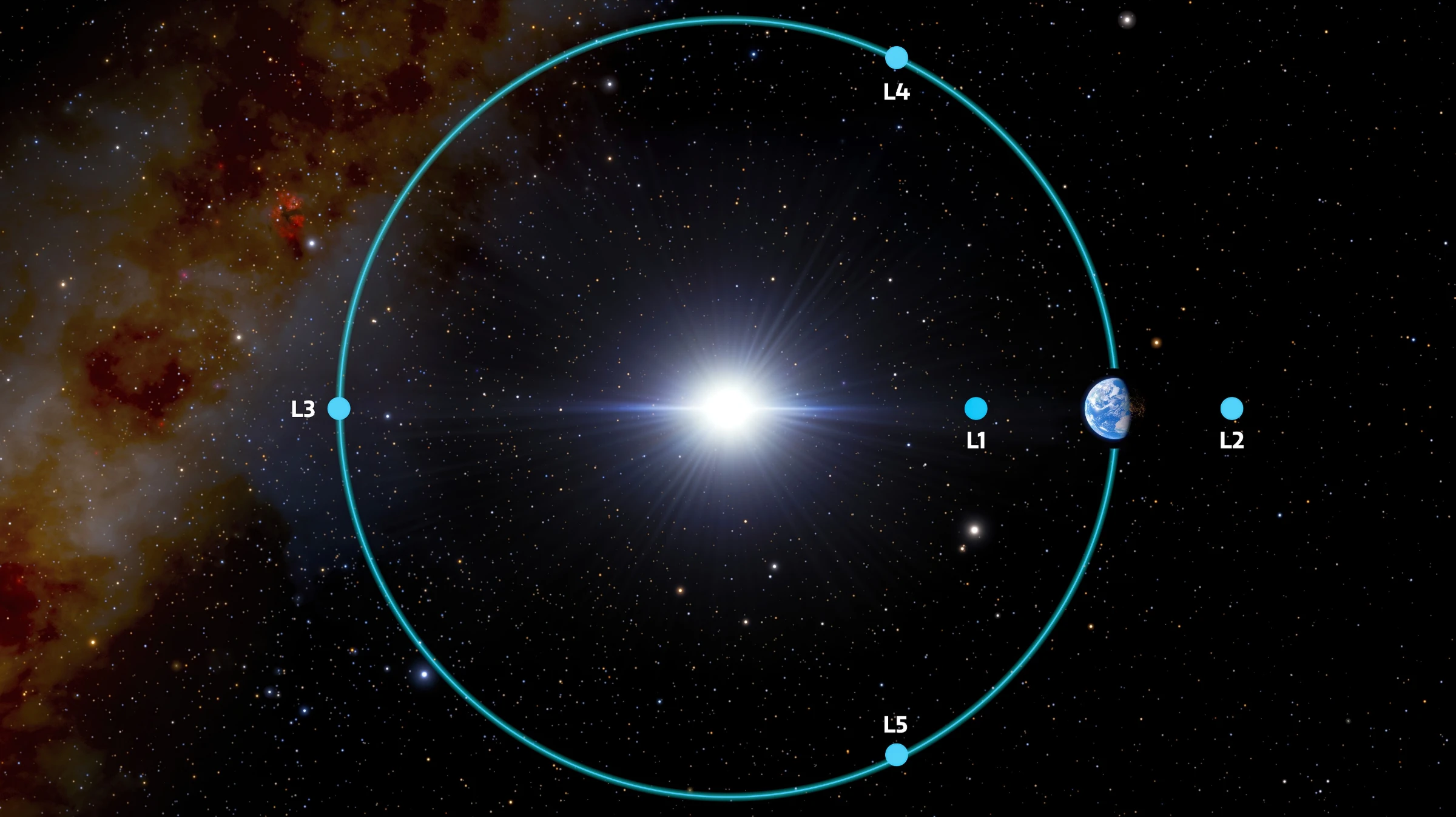
Simulate.
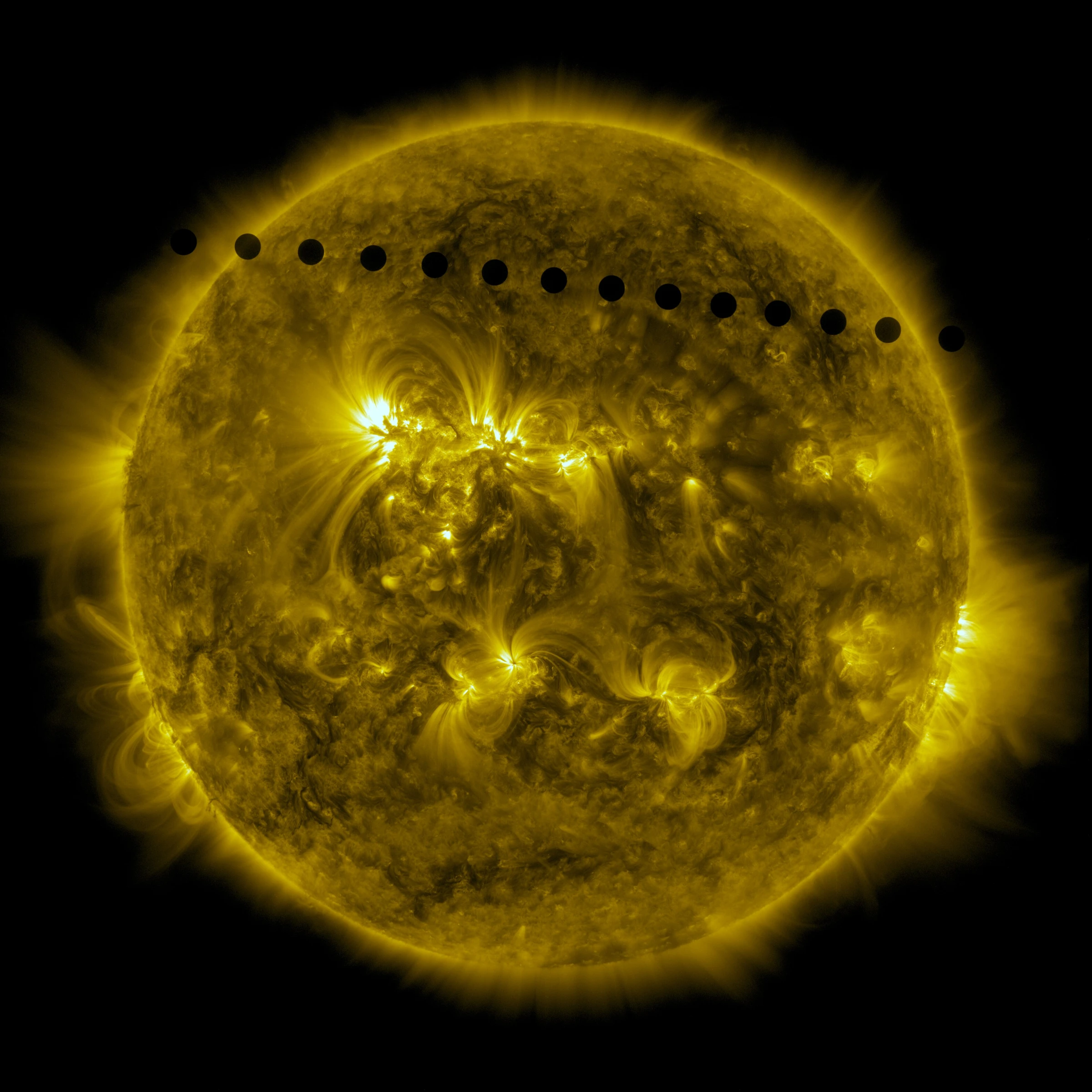
The reason given was the Element of Doubt, a rule the Zetas say a Council of Worlds sets on contact, with "solid proof always just outside reach and not in hand": Venus was moved "to reduce panic in the trigger-happy establishment."
The September 2026 page reads the Aberdeen disc inside the machine. The Dark Twin "typically presents a Monster Persona," because escaping light rays "are captured or bent by the gravity of the Dark Twin." A disc reflecting "intense sunlight so early in the day" means "the Dark Twin is now very close."
Other signs are offered: azimuths credited to a Ms. Sakamaki put the Sun rising "too far to the south", a bearing a sighting and an almanac can check. A crop formation of 14 triangles, in November 2025, was "confirming our prediction." By 25 October 2026 "the Daily Earth Wobble has turned into a Severe Wobble." And in November 2026, the plainest: "Nibiru is indeed a bright object in the sky visible naked eye as well as by camera, though the media refuses to mention this." In the end, the Zetas say, NASA, NOAA "and all Heads of State will have to admit that there is SOMETHING passing by."
Seven Point Three Weeks
The number first appears on a page "written prior to July 15, 1995": the body would be visible "for approximately 7.3 weeks," before a passage in "late spring, early summer, in the year 2003." In November 2001 the Zetas had said no date would be given, because "it would allow the establishment to mistreat the populace." On 23 May 2003 they called the dates "an acknowledged white lie," a story told in Nancy Lieder, the Zetas and the planet that comes from Orion and in Parallel Timelines. The lie, they added, "included the 7.3 weeks."
The dates came back first: "before 2012," in 2006. The number followed in 2008. In December 2009 the Zetas called "before 2012" a breach of their own rule and closed the door: "Could be any year." In 2010 the 7.3 weeks became the length of the Last Weeks. In 2021 the Zetas confirmed a Tibetan master's text naming 2026, and said the passage "can speed up or slow down": the Repulsion Force is a factor, and "mankind today does not have any math" to compute it. By November 2025 the Last Weeks "will begin before the end of 2026 and lob into 2027."
Thirty-one years, and the same number. Each forecast and its sequel sit side by side in the record of dated predictions.
If the Clock Is Real
Set aside for a moment whether it is true. Ask the better question. What kind of world would this be if it were?
It would mean a planet the size of our own has ridden in our orbit for the whole of recorded history, on the far side of the Sun, and nobody on Earth has ever seen it in full. Every map of the solar system on every classroom wall would be missing a world. Not a speck at the edge of the dark. A twin.
It would mean the sky has been staged. Venus, the brightest light after the Moon, the evening star of every poet, would be a planet held in a trap and moved to look normal. The transit of 2012 would have been a performance.
It would mean this has happened before. A return "on average each 3,657 years," as the 1995 page puts it, would put people of some earlier age under the same sky, watching the same signs. Which would mean our species has lived through the end of the world and kept going.
It would mean the ground itself keeps time. On this reading the Earth's spin, the one rhythm every human body has been set by since before there were humans, could slow and stop in a matter of weeks, and the Sun could come up in the west. Darkness for three days. Every clock on the planet, wrong.
And it would mean the people alive now would be the ones to see it. The old prophecy of three days of darkness, which the Zetas say they have confirmed, would have been written for people now living.
If the clock is real, it has a last page. Which page is it on?
The Sun at 7:20
The standard account starts with the sky over Aberdeen that morning, computed to the minute by the United States Naval Observatory. On 21 September 2026 the Sun rose at 7:01, almost due east. At 7:20 it stood about two and a half degrees above the horizon, a little south of east. The Moon had set at 1:12 that morning. Venus, that week, was an evening object, low in the west after sunset. The Zetas' own answer places the view "looking toward the rising Sun."
At 6:53 the airport at Hoquiam, a few miles west, logged a clear sky overhead and ten miles' visibility, with a temperature of 8.3 C against a dew point of 7.8 C: air all but saturated. The National Weather Service in Seattle wrote that morning of "areas of low clouds and fog" across western Washington. By the Kasten and Young airmass formula, light from a Sun that low passes through about 17 times as much air as light from overhead, and haze, in Andrew Young's airmass notes at San Diego State University, matters "much more" there.
On that account the disc is the Sun, dimmed and reddened by the air in front of it. On the same account, where photographs show a second disc beside a bright Sun, it is a lens ghost: Fima Koreban and Yoav Schechner of the Technion showed in 2009 that such ghosts fall on a straight line through the Sun and the centre of the frame.
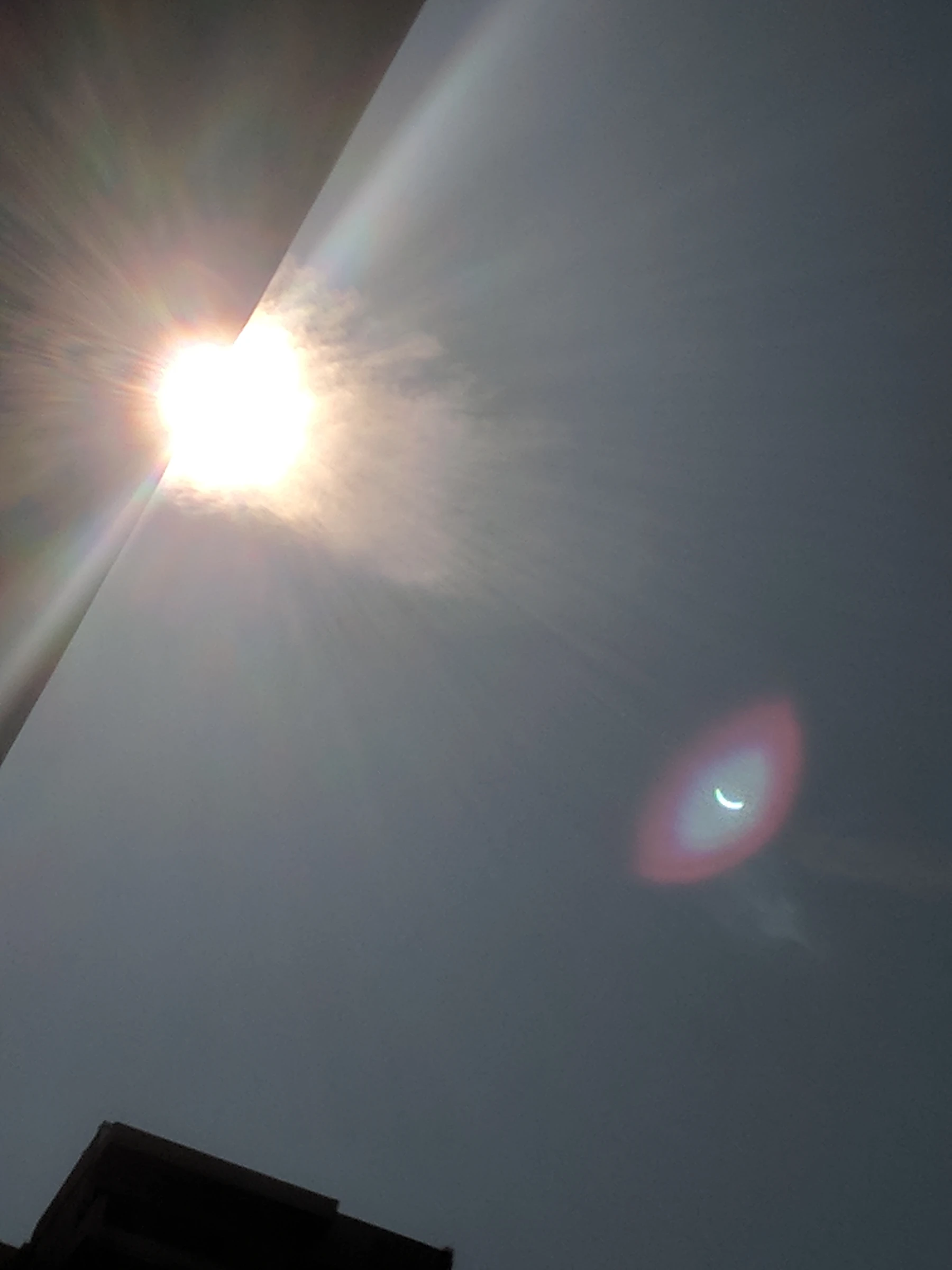
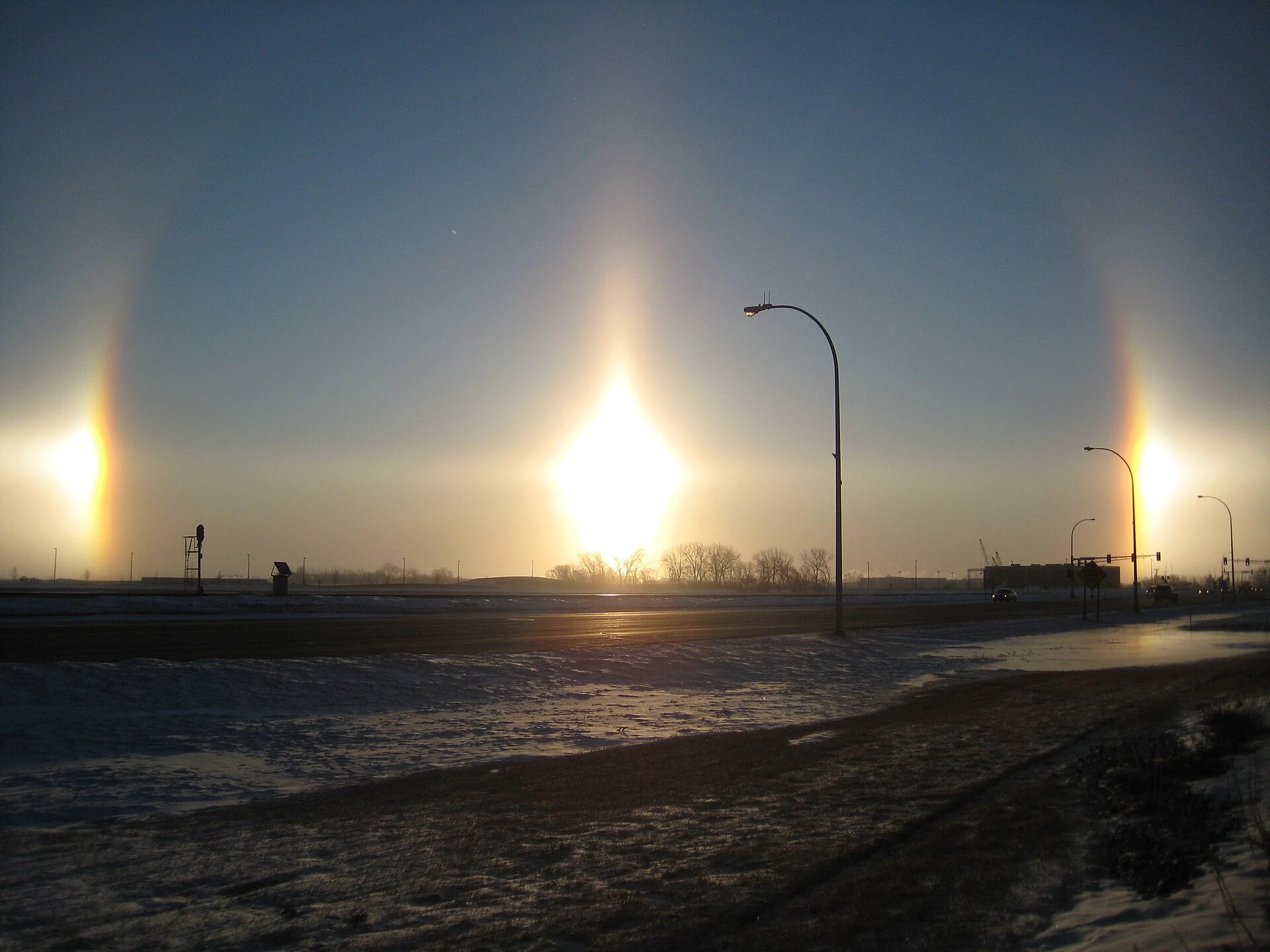
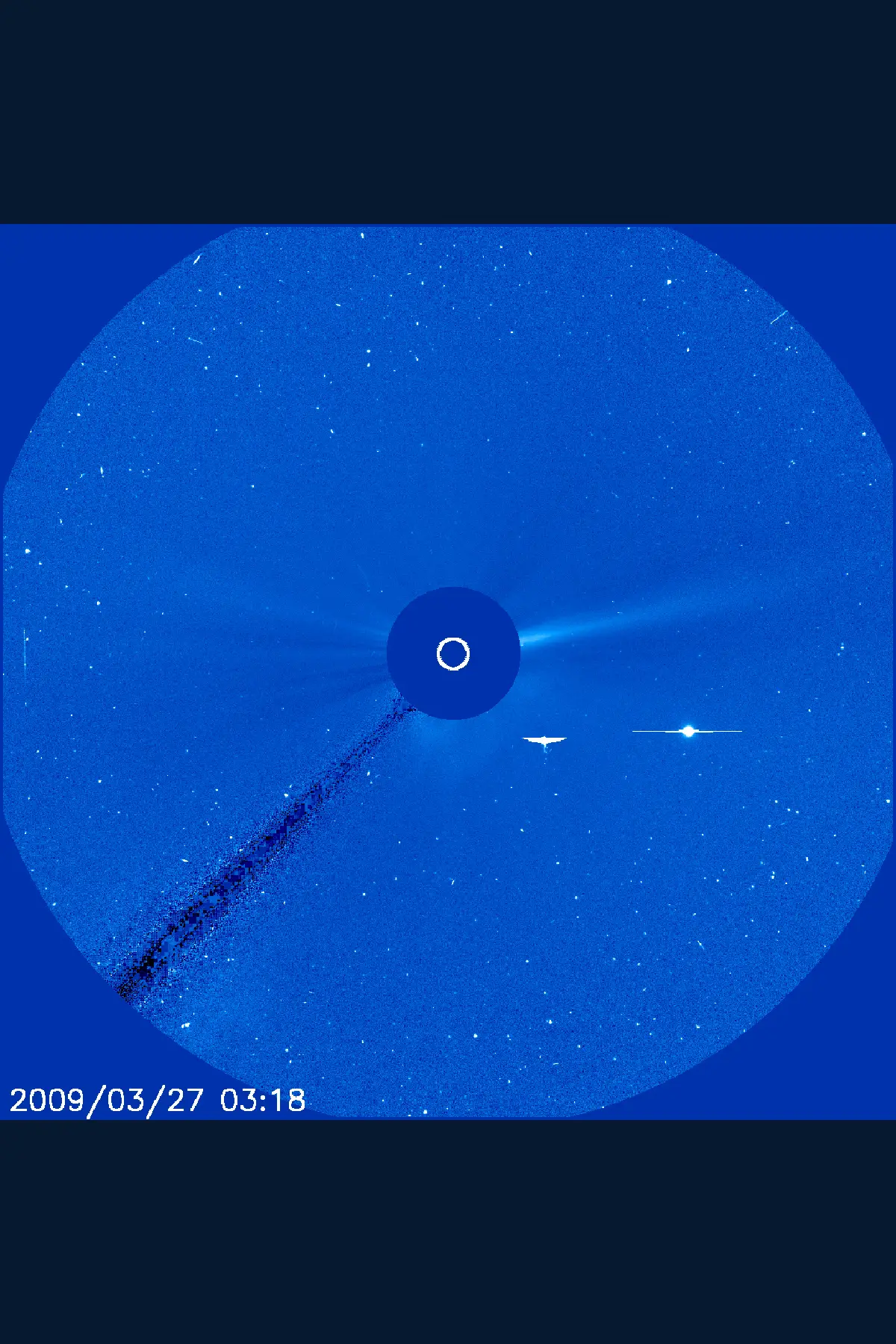
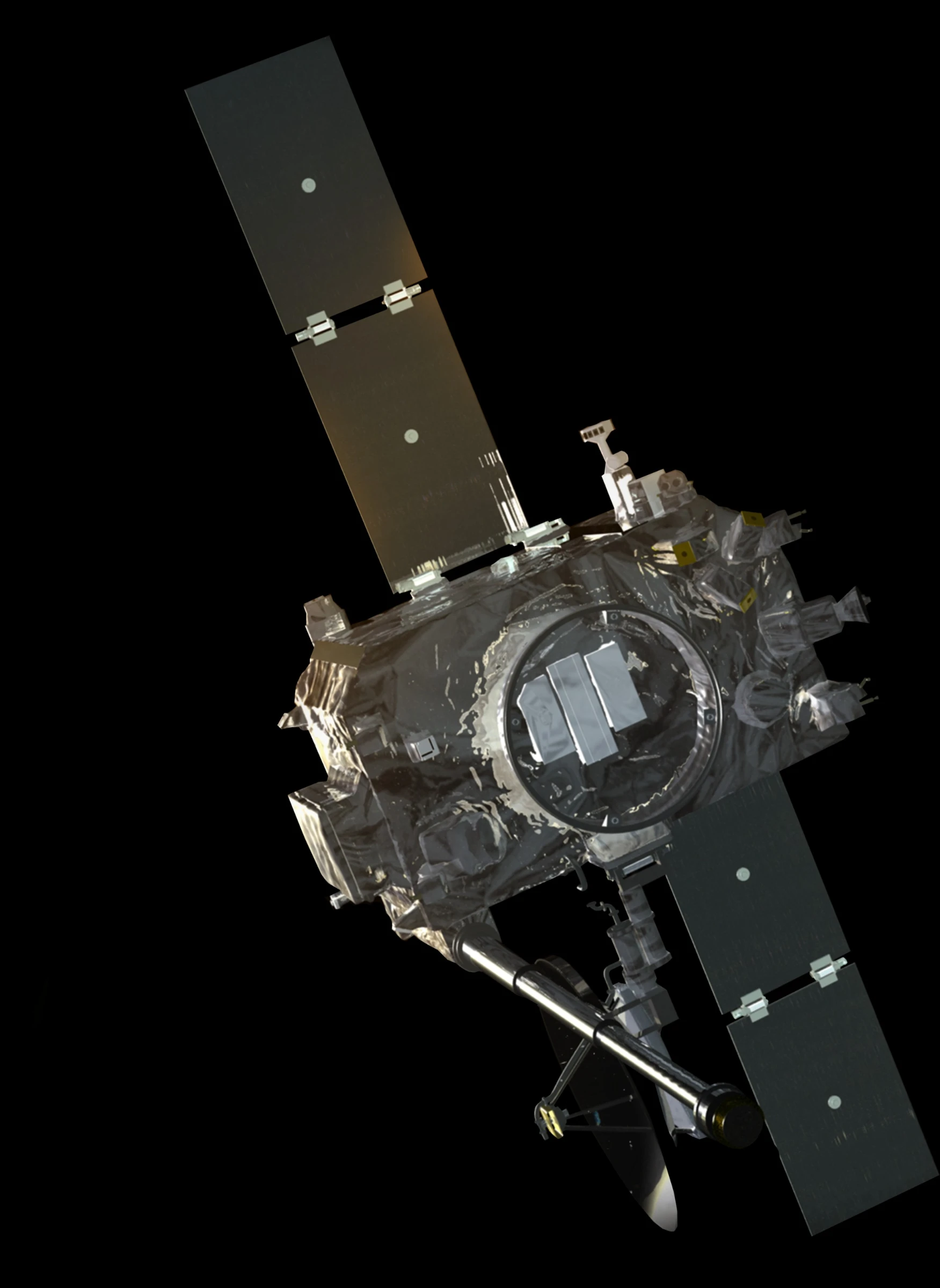
Beyond the photograph, NASA's two STEREO spacecraft, launched in 2006, drifted ahead of and behind the Earth and could see past the Sun. The project scientist, Michael Kaiser, told Popular Science in 2009 that there was nothing there in the way of another Earth, "unless it's awfully tiny." And Official X's calculation, from NASA's standard size-brightness relation, puts a body four times Earth's width, one astronomical unit away and fully lit, at magnitude -3 to -5, as bright as Venus.
What the Tables Do Not Reach
The standard account rests on light behaving the way optics says it does. ZetaTalk's rests on light that does not. The Monster Persona, as the Zetas describe it, is light bent by a planet's gravity into a body larger than the body. An airmass table and a lens diagram cannot be checked against that physics without first assuming it away.
The far side has also gone partly dark. STEREO-A still works. STEREO-B, the craft that trailed the Earth, has sent nothing since 2014.
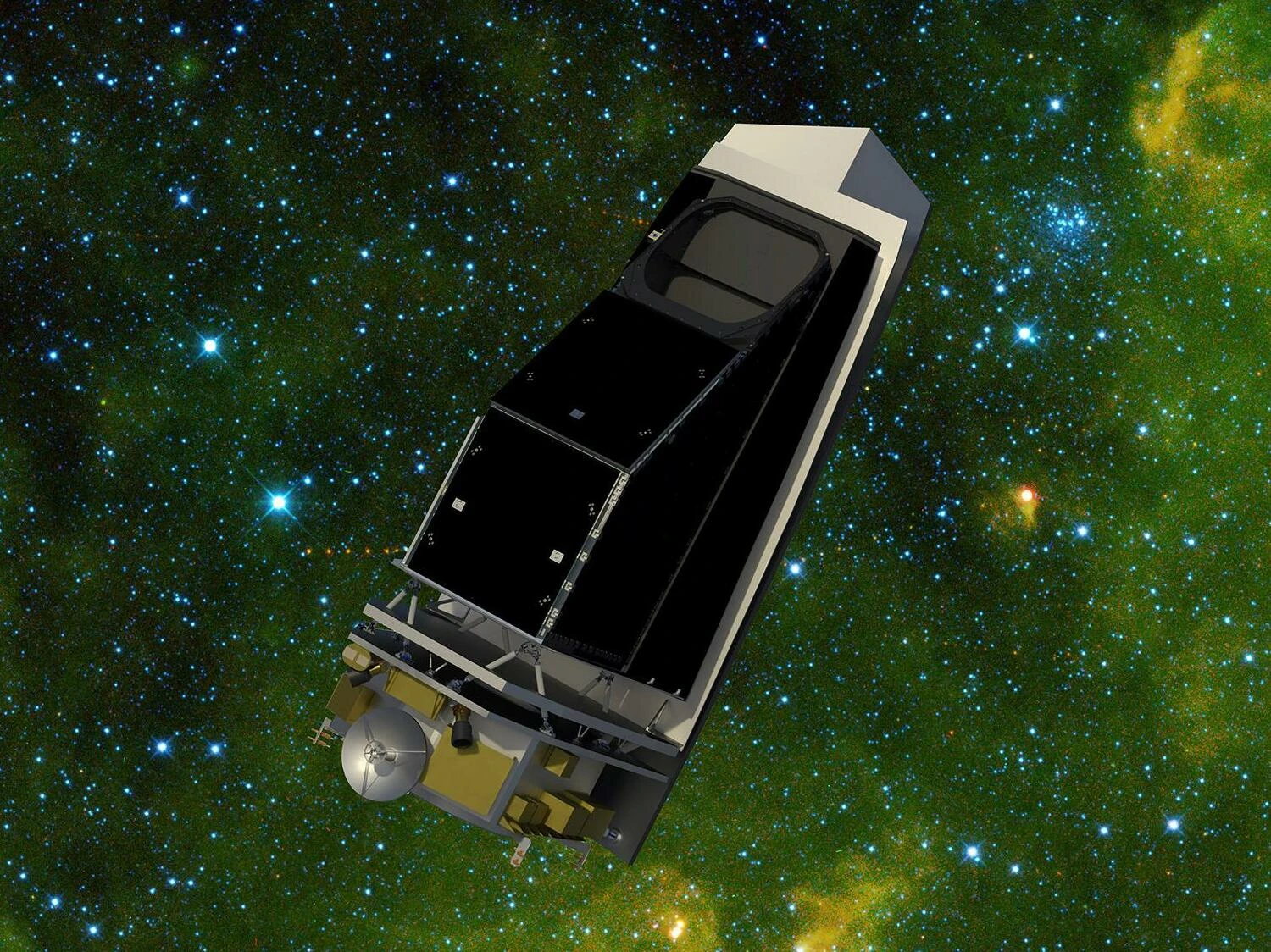
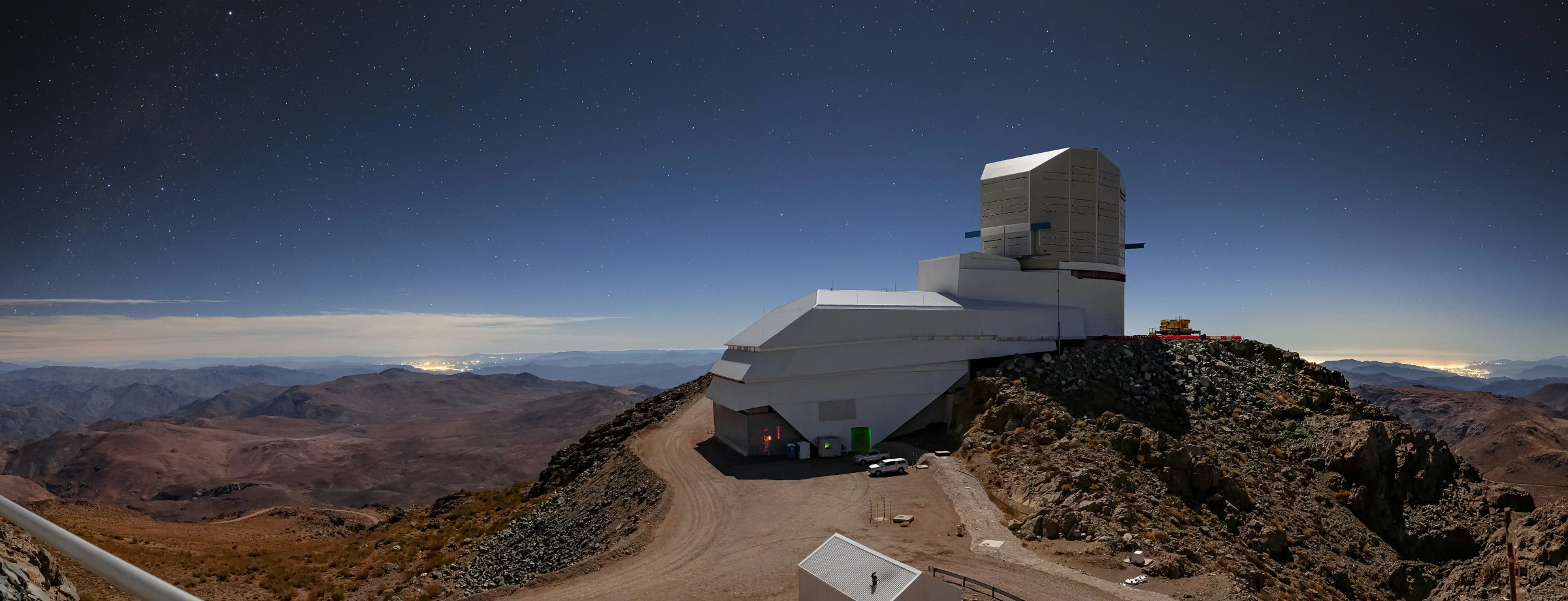
Near the Sun, the watching is uneven. SOHO's LASCO coronagraphs, in space since 1995, image the sky out to 32 solar radii, about eight and a half degrees from the Sun; their frames are read two ways in the Winged Globe in SOHO. The Vera C. Rubin Observatory in Chile began its ten-year survey on 29 June 2026; its twilight fields reach in to 35 degrees from the Sun, and the rest rarely falls below 60. NASA's NEO Surveyor, built to find objects coming from the direction of the Sun, launches no earlier than September 2027. After February.
Bodies do share Earth's orbit: the Trojan asteroid 2010 TK7, about 300 metres across, was not found until 2010, and JPL's release says such objects are hard to find because they "dwell mostly in the daylight."
And one part of the case no telescope can reach. The Element of Doubt is not a claim about the sky. It is a rule about proof: on the Zetas' telling, the evidence is kept just out of reach by design. A missing observation fits that rule as well as it fits an empty sky. No measurement made from the ground can decide between the two.
The Sign Written in Advance
ZetaTalk has set its own test, in writing, years ahead. On 10 June 2014, on a page called Timeline Anxiety, the Zetas answered readers who kept asking whether the Last Weeks had begun. "They have not." Then the sign: "Venus and the Dark Twin escape at some point prior to the Last Weeks, after some drama quite visible from Earth, so if this has not yet occurred, then the Last Weeks are not yet upon you." The same page said a wobble is not the Severe Wobble of the Last Weeks "unless 200-300 foot high tidal waves are sloshing north and south upon the globe."
Other pages put the escape inside the Last Weeks rather than before them: 2010, 2012, and the chats of September and October 2026, where "Venus will not escape the Cup until the Last Weeks." Either way it comes before the passage, and the 2010 page opens the Last Weeks with the body "unmistakably visible to all on Earth," then, in the next breath: "Venus escapes the cup."
And Venus is the one body in this story the whole planet can watch. It passed between the Earth and the Sun on 24 October 2026. From the middle of November it rises before dawn as the morning star, at its brightest around 29 November, farthest from the Sun on 3 January 2027, and still clear of the horizon in the south-east before sunrise in February. The almanacs print its place for every one of those mornings, worked out from planetary orbits that JPL fits to observations, spacecraft ranging among them.
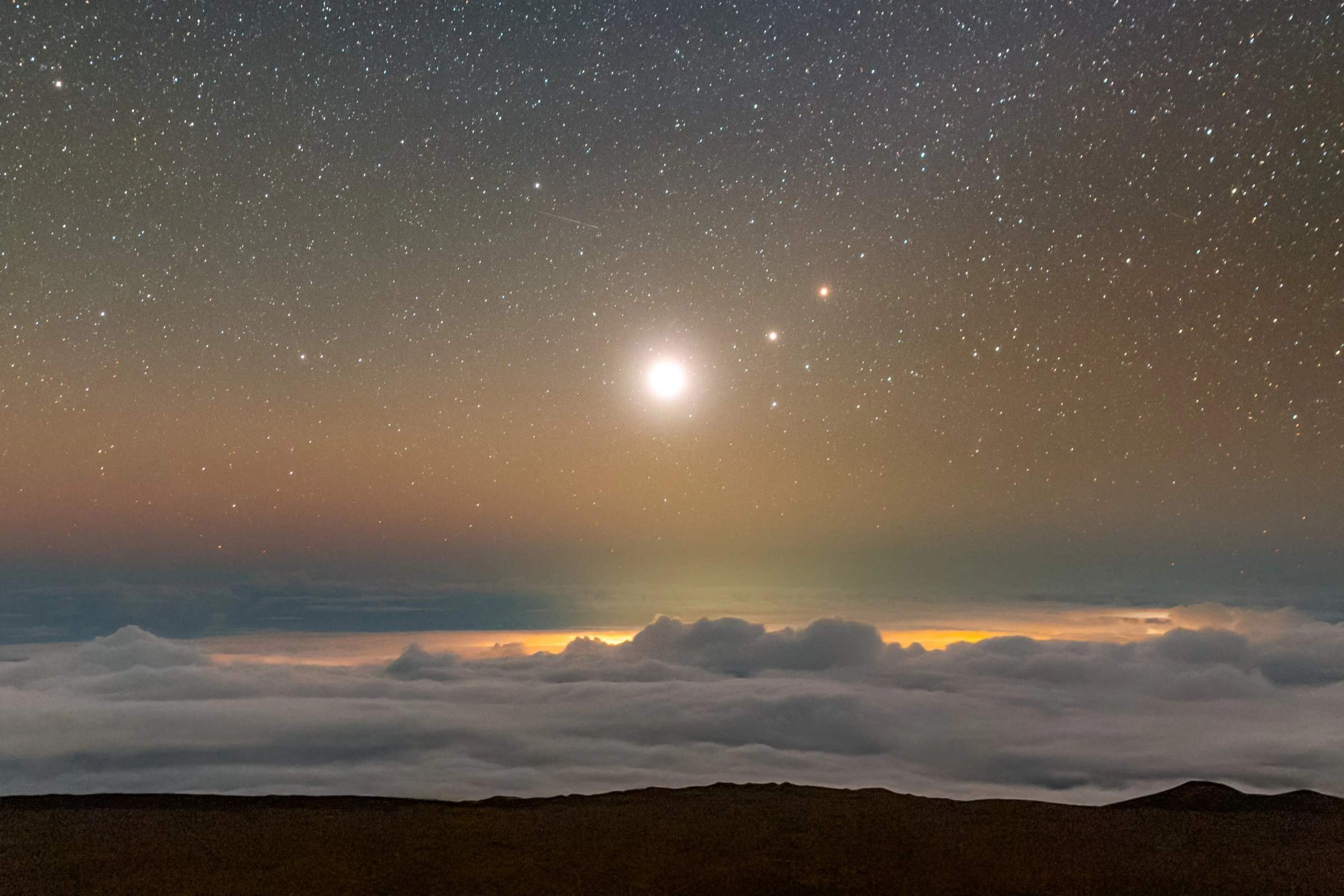
Two predictions, then, for the same patch of sky. One says Venus will be where the tables put it, morning after morning. The other says it will break from a trap, with drama visible from Earth, before the end.
Venus will rise either way.
Questions This Leaves You With
Is there anything a person actually does with this?
Start with the timescale, honestly. ZetaTalk names a month, then widens it, while saying since 2001 that no date would be given. Nothing in this article asks you to change what you do, and nothing here is advice to prepare. The question that does not depend on you is larger. In 2020 a second Trojan asteroid sharing Earth's orbit, about a kilometre across, turned up a decade after the first. How much else keeps company with the Earth in daylight, and how would anyone know?
Does this sit against a religious account of the world?
It cuts both ways, and both readings have been argued. ZetaTalk draws on religious prophecy itself: in February 2009 the Zetas said the Catholic prophecy of three days of darkness is something "we have confirmed". Some readers find that close to faith. Others find a channeled source that rules on prophecy troubling for exactly that reason. This site will not tell you which way it falls for you, and does not try to.
Does this change what a human life is?
Put your own life against the scale the claim proposes: a rhythm of 3,657 years, against a lifetime of eighty or so. On one reading that makes a life smaller, a passenger on a clock nobody chose. On the other it makes a life rarer: to be alive in the few years around a passage, if there is one, would be to stand where almost no human being in history has stood. Which reaction did you have first? That may say more about you than about the sky.
What would change your mind, in either direction?
Name it now, before the window closes, because it is harder after. Toward the claim: Venus seen away from its tabulated place by observers on different continents on the same morning; a second disc that stays fixed against the horizon while the camera turns; a measured tug on a spacecraft that no known body explains. Against it: Venus where the almanac puts it every morning through the window; the window passing and a new one opening. What would you accept as the result, and from whom?
What is actually in the band around the Sun?
Less is known than most people assume. A coronagraph blocks the Sun's own disc so the faint glow around it can be seen, and SOHO's coronagraphs reach out to about eight and a half degrees. Beyond them, ground surveys look only in twilight, and Rubin's fields start at 35 degrees. Even Earth's Trojans, farther out at about 60 degrees, were found late, because, JPL says, they "dwell mostly in the daylight." That band is open, and not because nobody cares to look. Looking there is hard.
More photographs
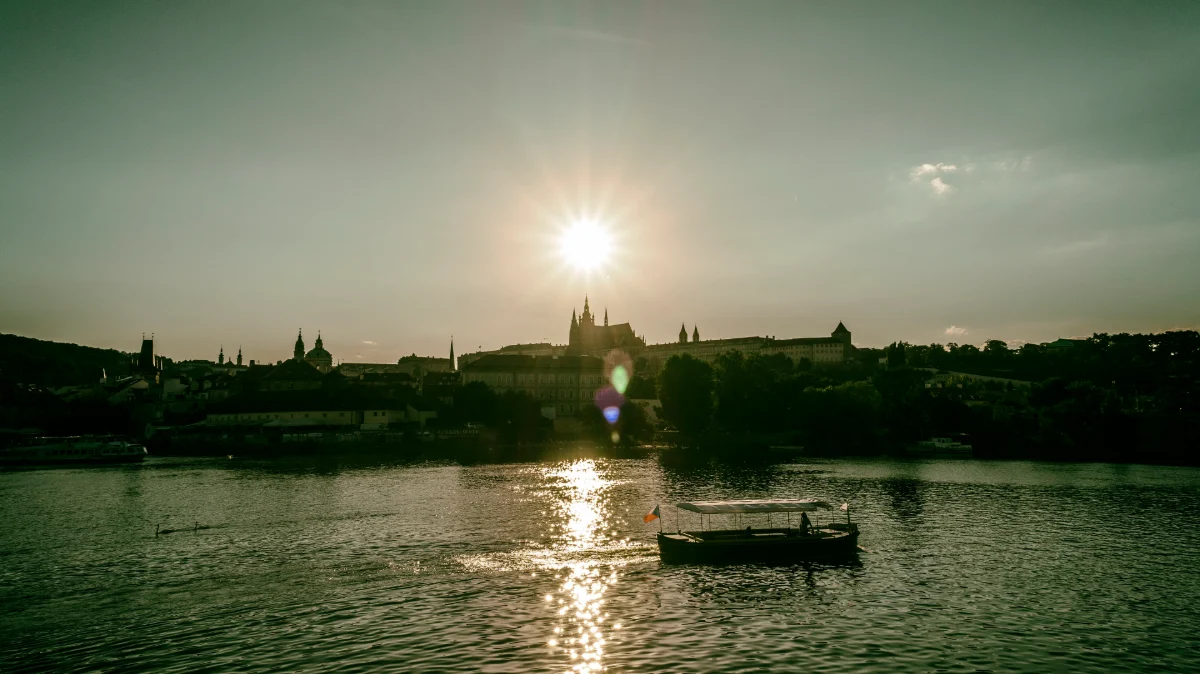
The evening Sun over Prague Castle, July 2015. The small green spot below it is a lens flare, a reflection inside the camera. Photo: Tom Mrazek, CC BY 2.0 (creativecommons.org/licenses/by/2.0), via Wikimedia Commons. Resized. 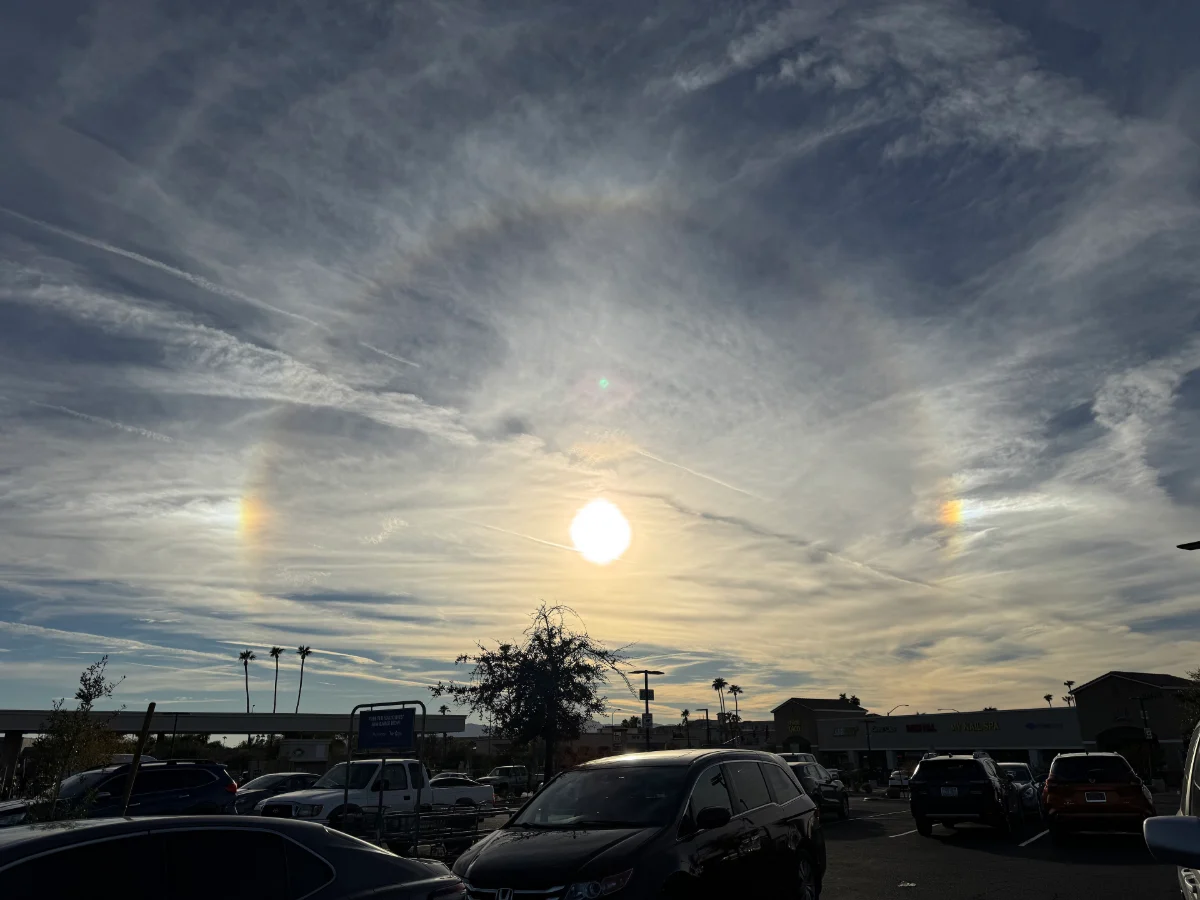
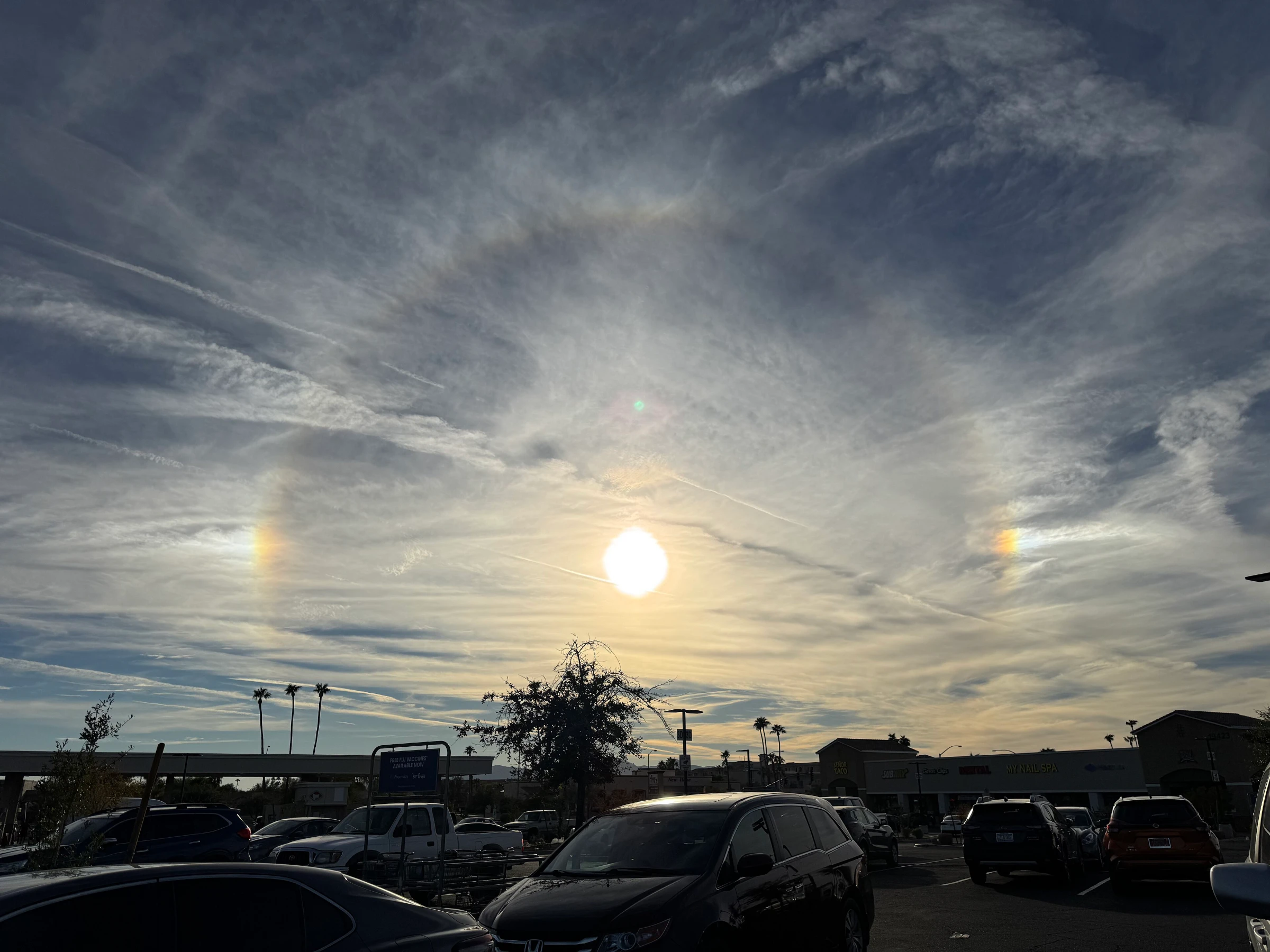
Sun dogs and a complete 22-degree halo around the Sun over Sun City West, Arizona, 27 October 2024. Photo: Markkawika, CC BY-SA 4.0 (creativecommons.org/licenses/by-sa/4.0), via Wikimedia Commons. Resized. 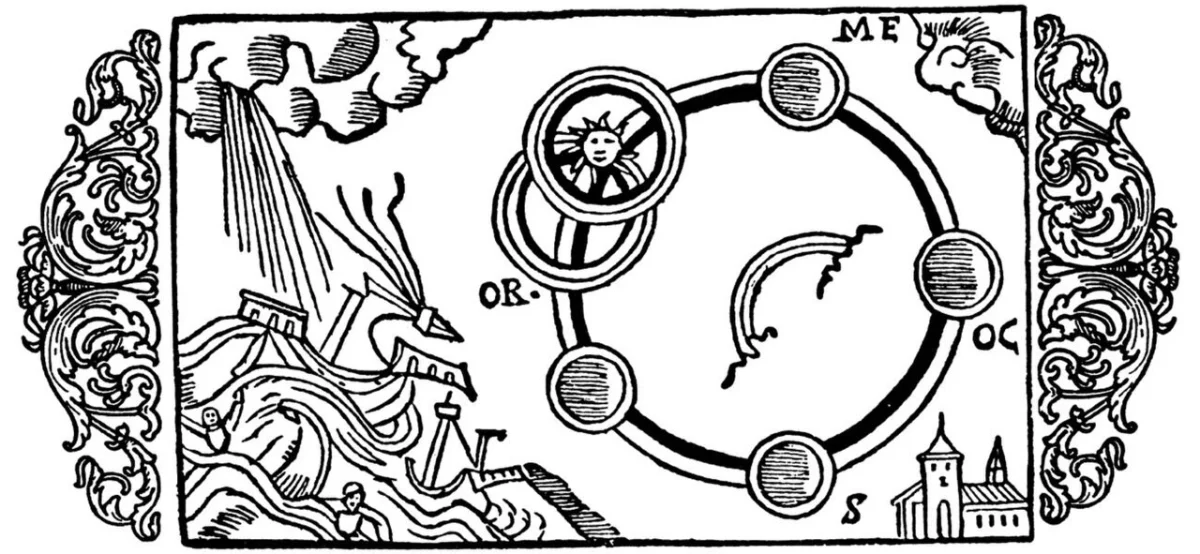
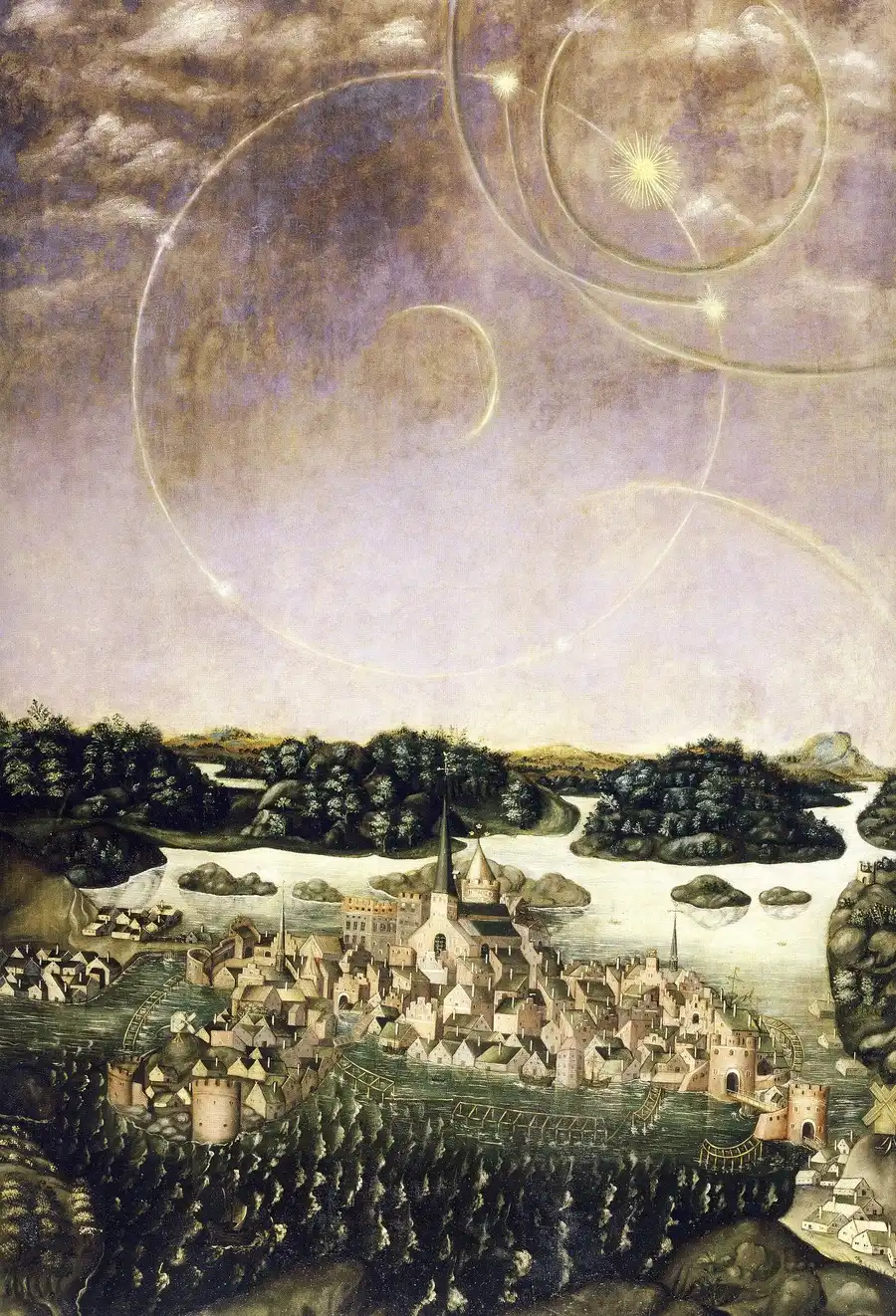
Rings and mock suns seen in the winter sky, in Olaus Magnus's woodcut of 1555. Olaus Magnus, Historia de gentibus septentrionalibus, 1555. Public domain, via Wikimedia Commons. 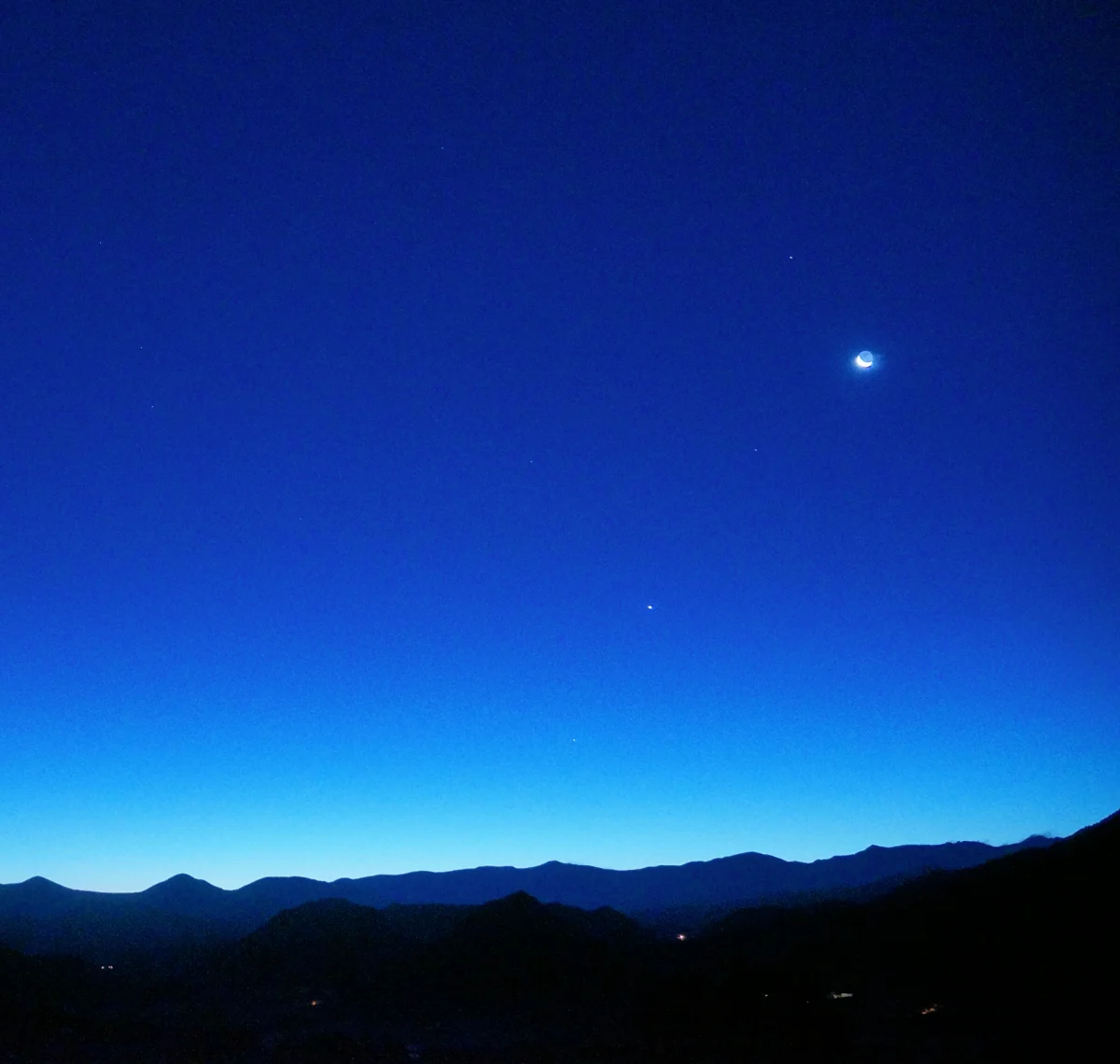
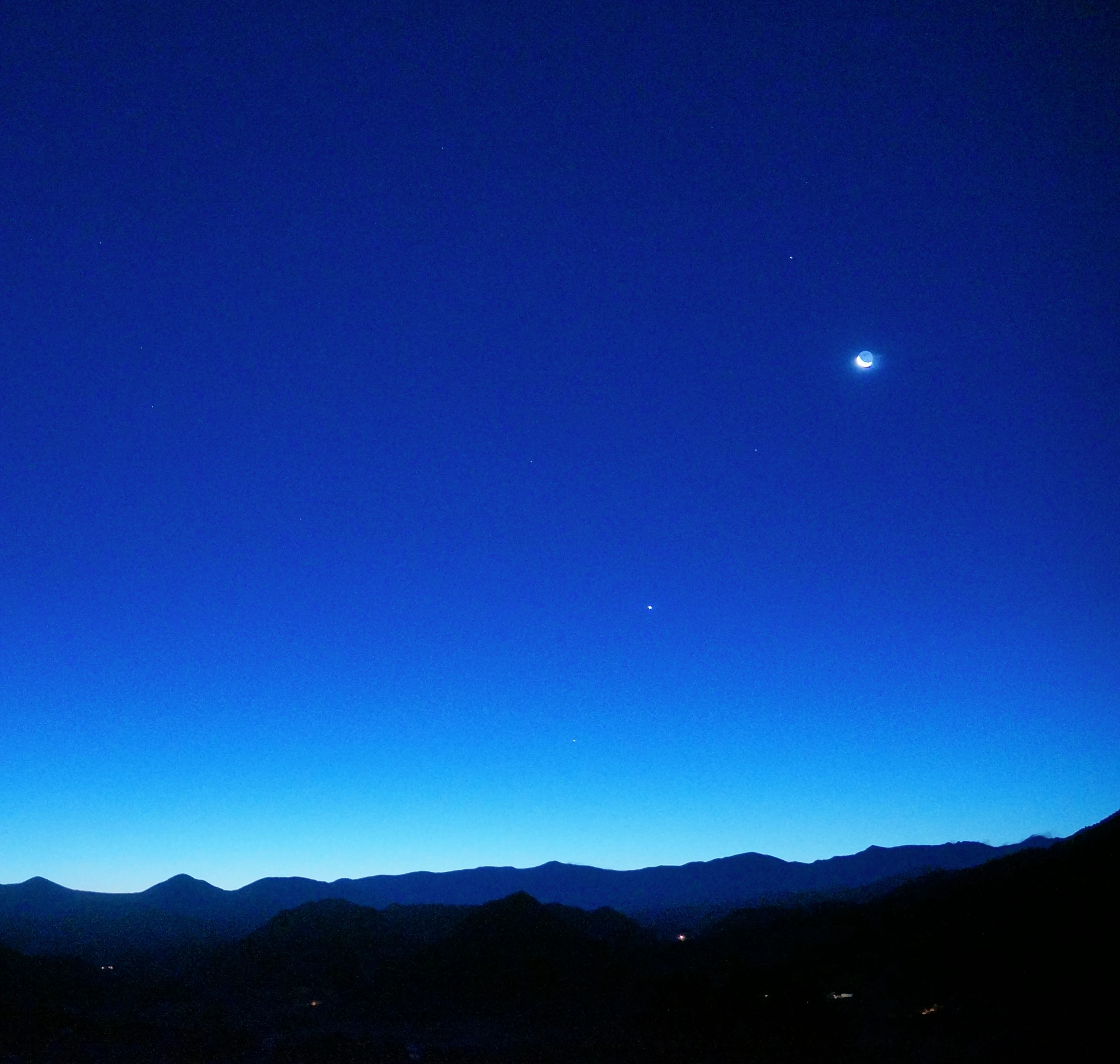
Before sunrise on 10 December 2012 over Embudo, New Mexico: the crescent Moon with Saturn, and Venus and Mercury lower down toward the dawn. Photo: Mike Lewinski, CC BY 2.0 (creativecommons.org/licenses/by/2.0), via Wikimedia Commons. Resized. 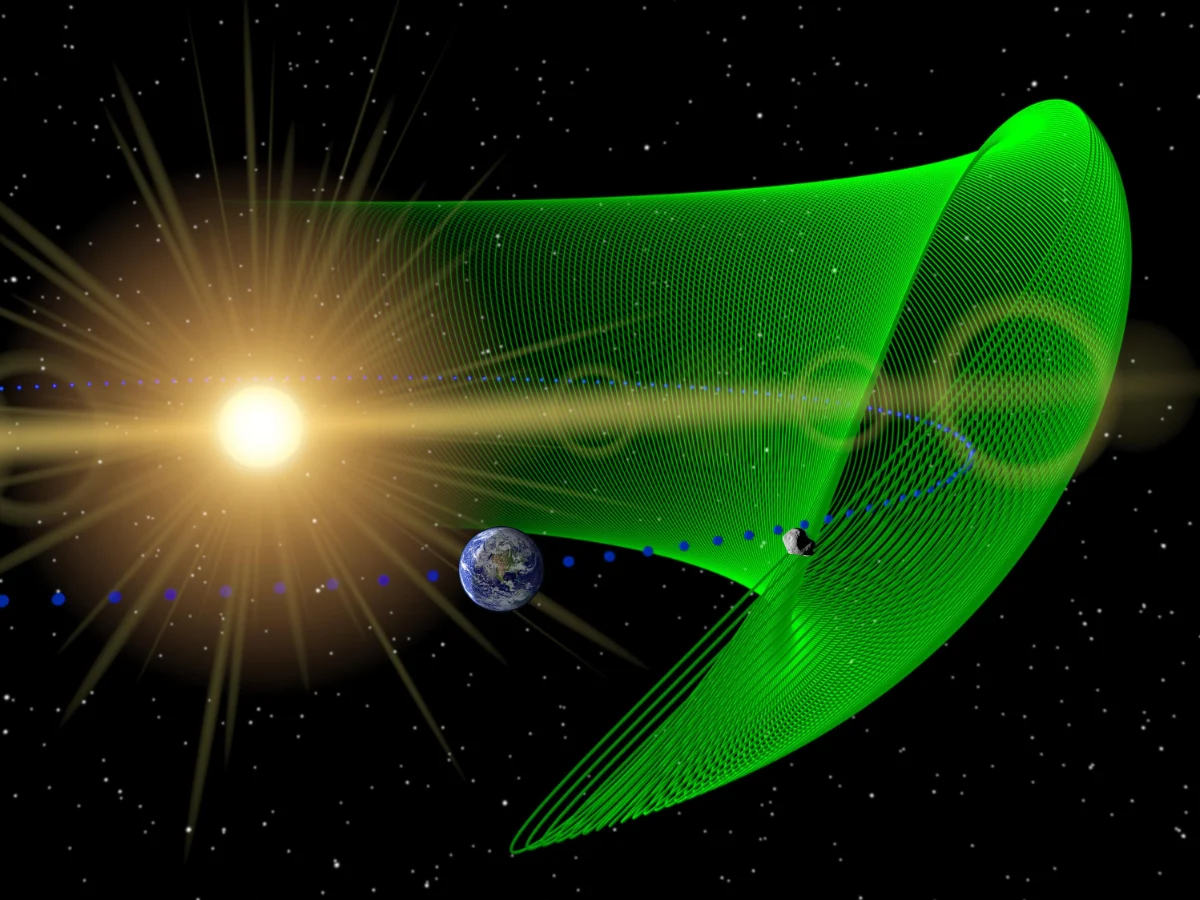
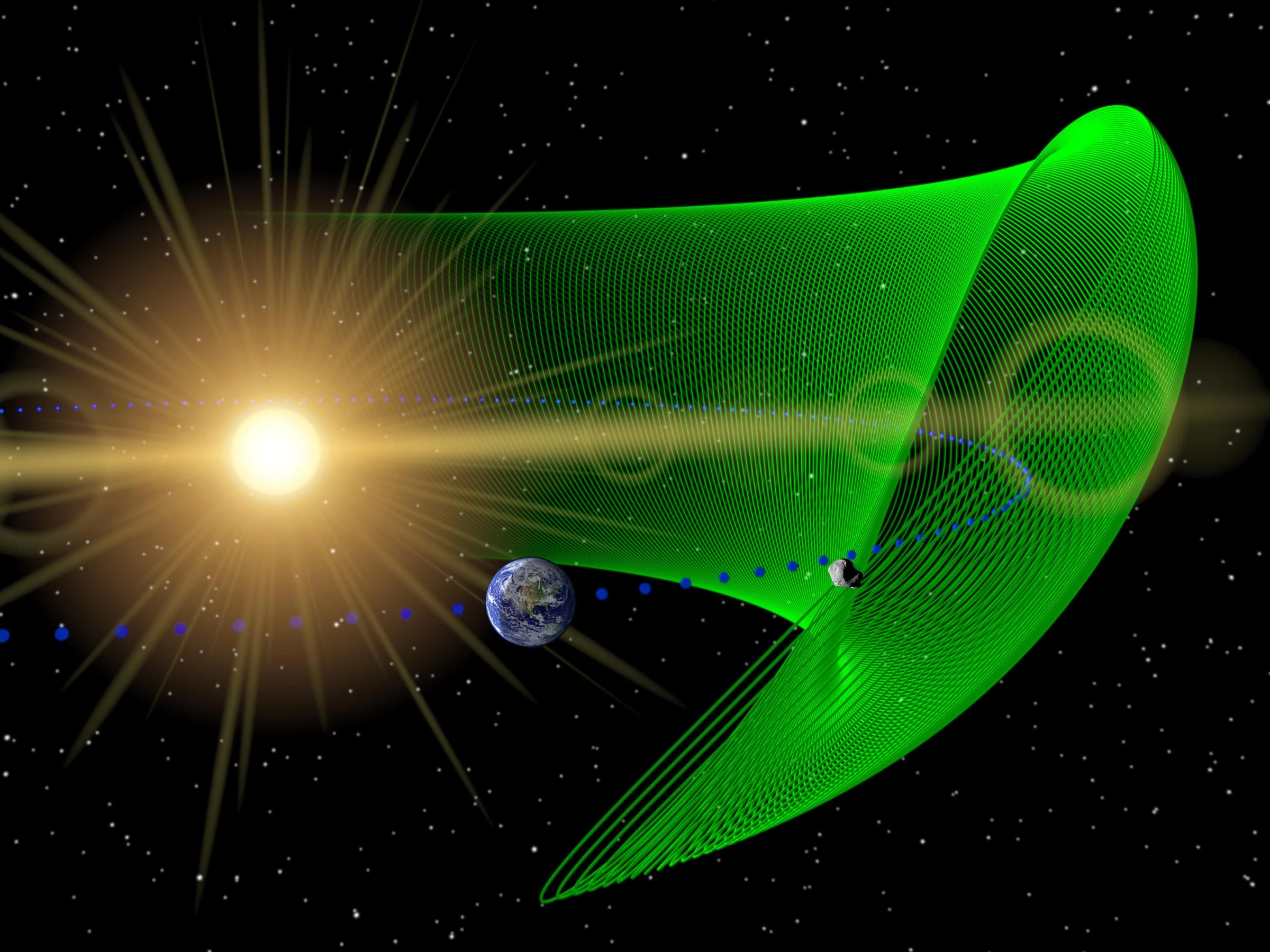
The path of 2010 TK7, the first Trojan asteroid found sharing Earth's orbit, about 300 metres across, announced by NASA in 2011. Not to scale. NASA/JPL-Caltech/UCLA, public domain, via Wikimedia Commons. 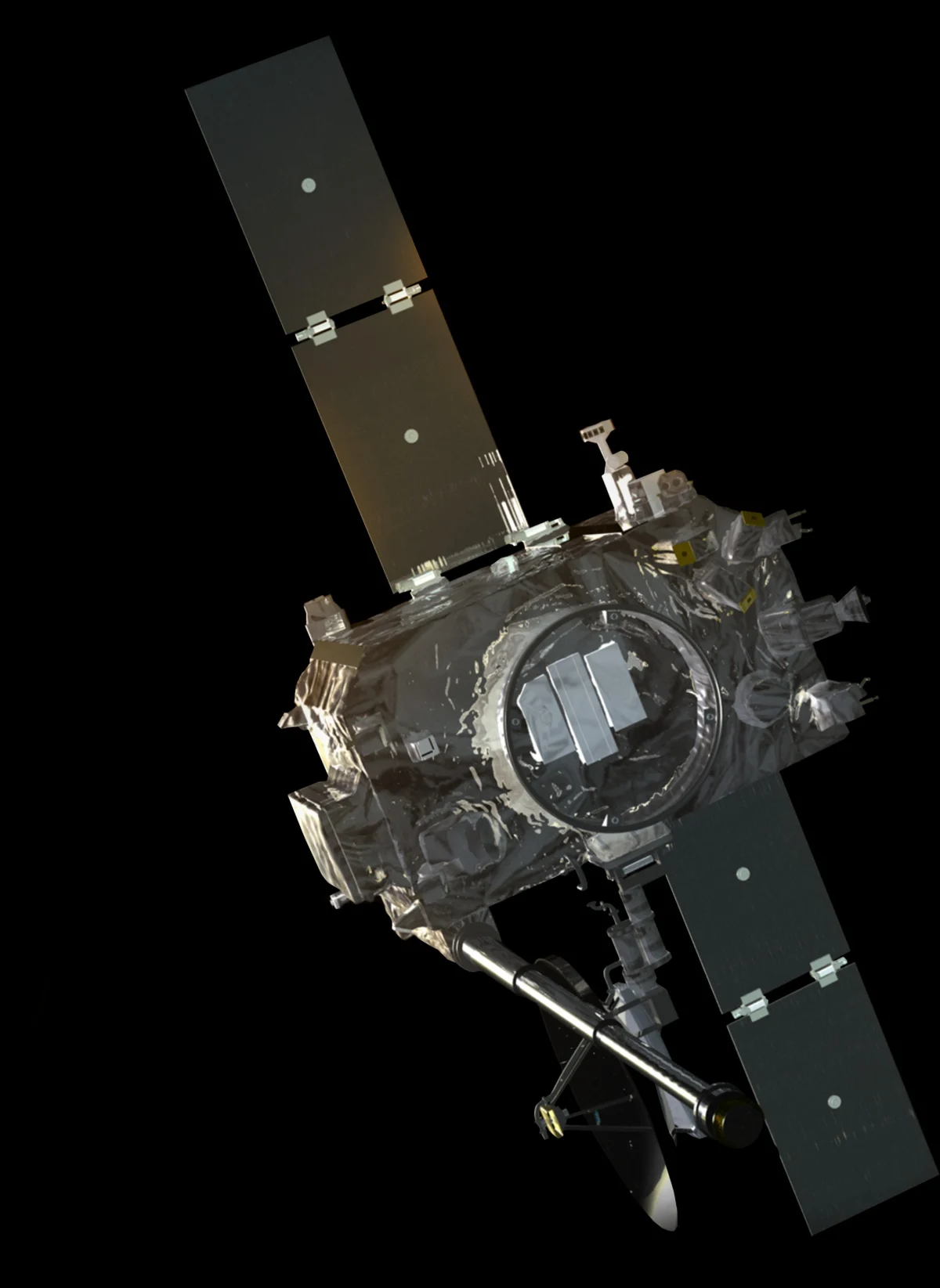
A model of one of NASA's two STEREO spacecraft, launched in 2006 to watch the Sun from ahead of and behind the Earth. NASA, public domain, via Wikimedia Commons. 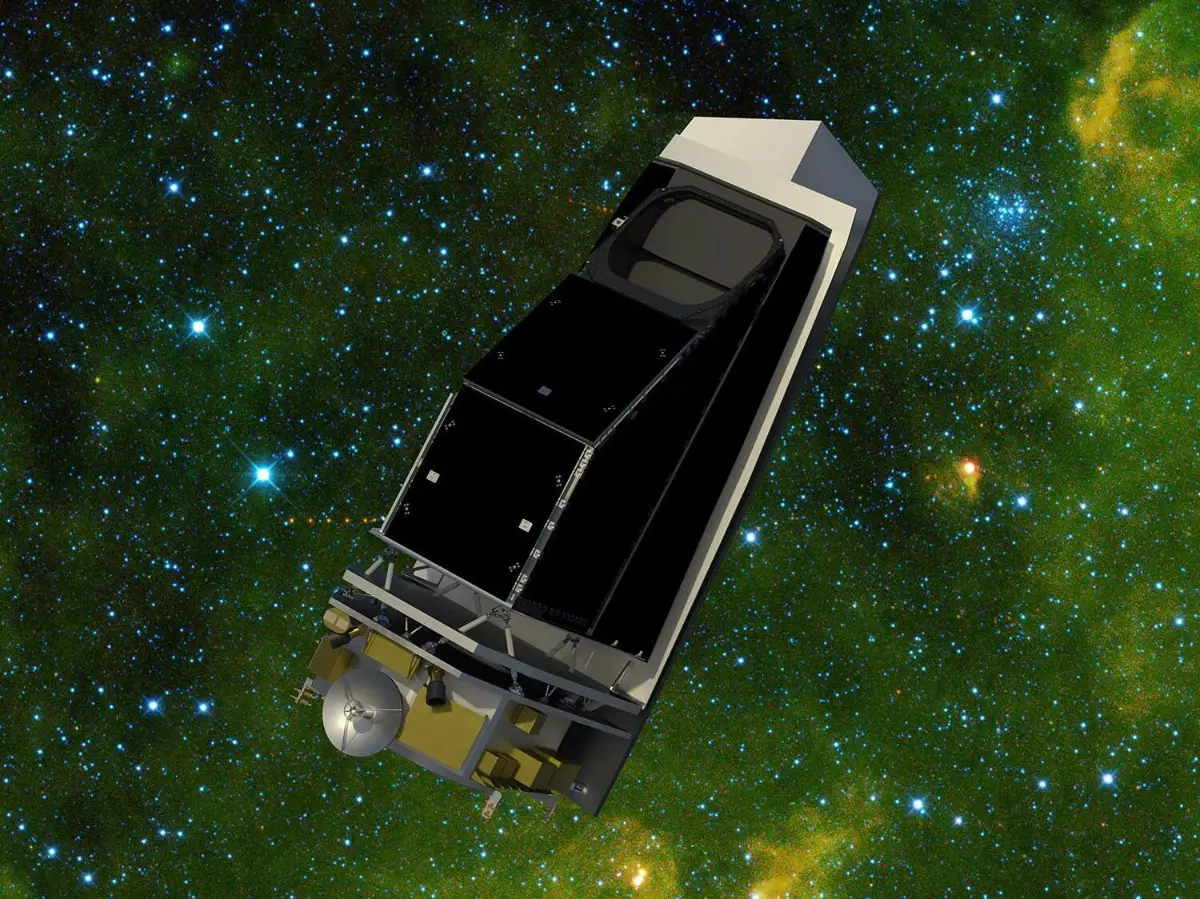
NASA's NEO Surveyor, an infrared telescope built to find objects coming from the direction of the Sun, in an illustration. Its launch is no earlier than September 2027. NASA/JPL-Caltech/University of Arizona, public domain, via Wikimedia Commons. 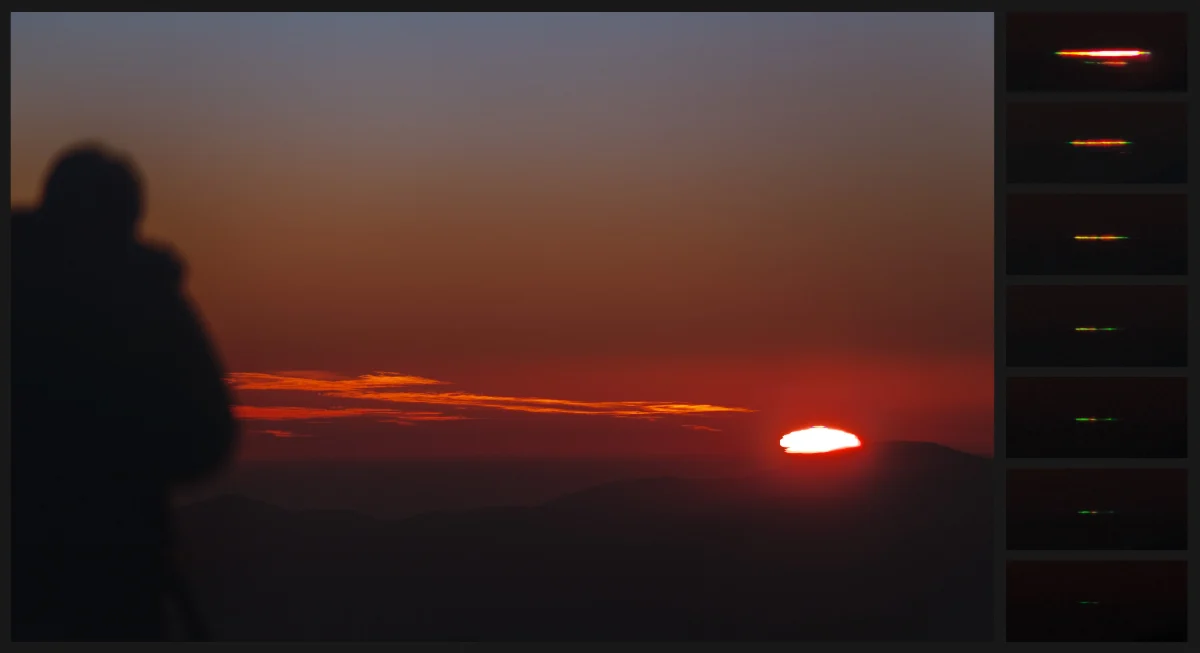
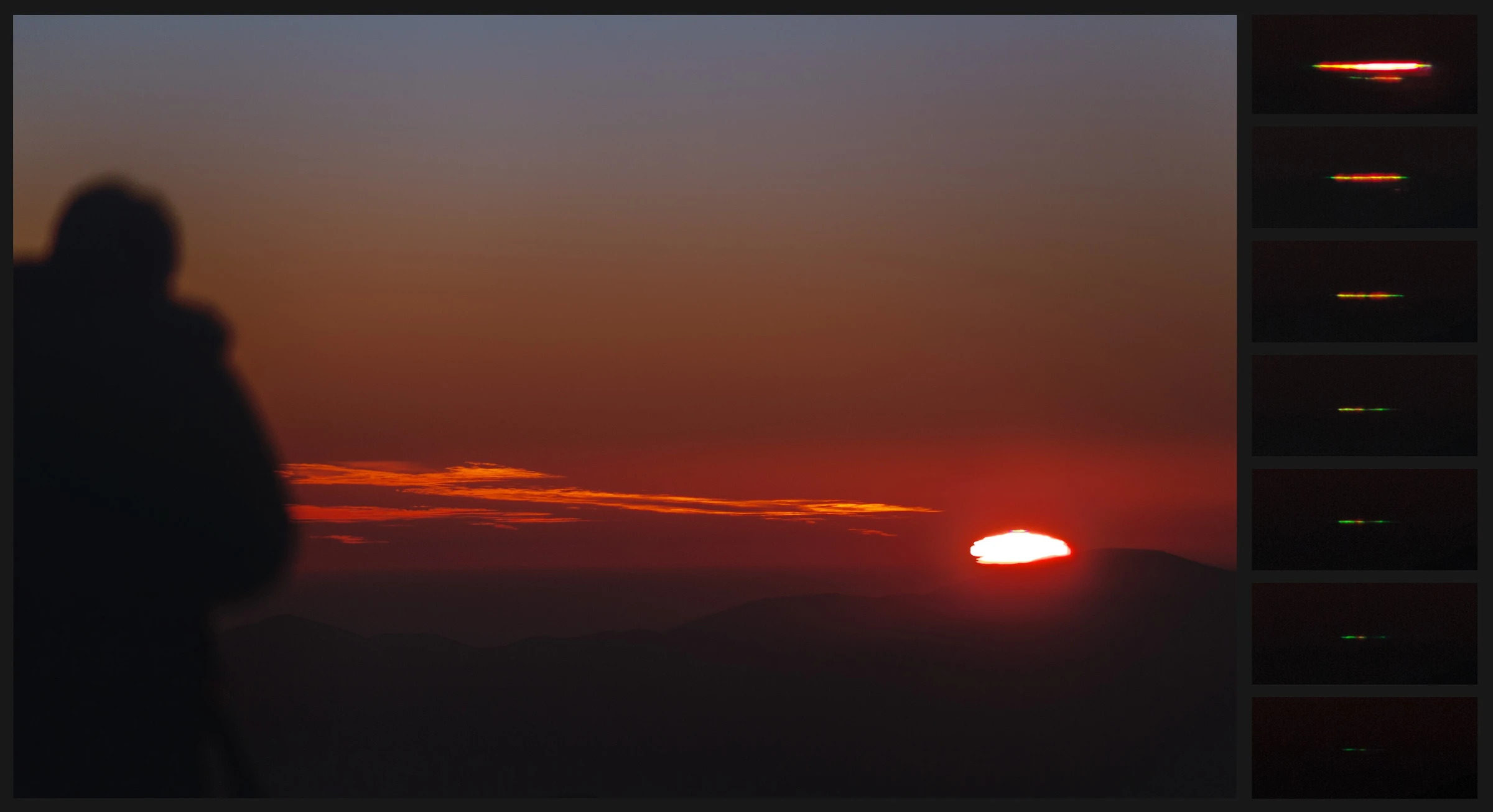
A green flash at sunset over La Silla, Chile, in April 2016: near the horizon the air reshapes and recolours a low Sun. Photo: ESO/P. Horalek, CC BY 4.0 (creativecommons.org/licenses/by/4.0), via Wikimedia Commons. Resized. 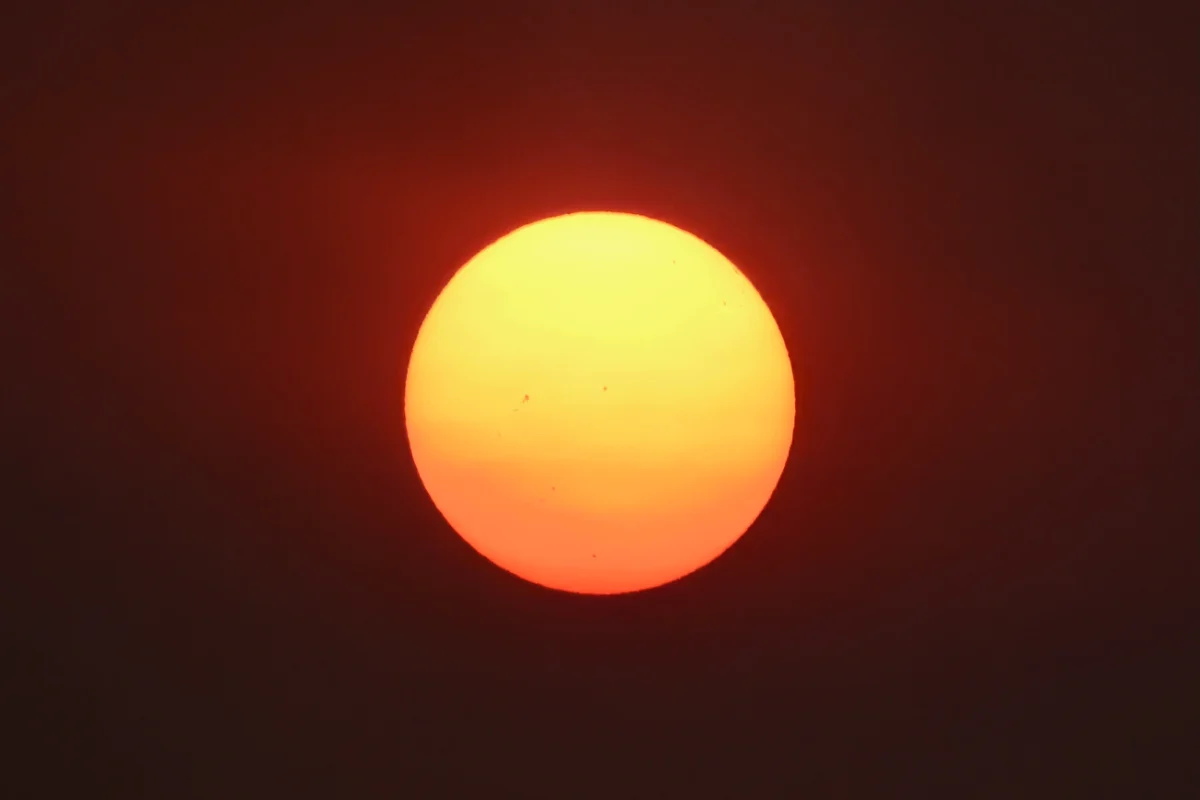
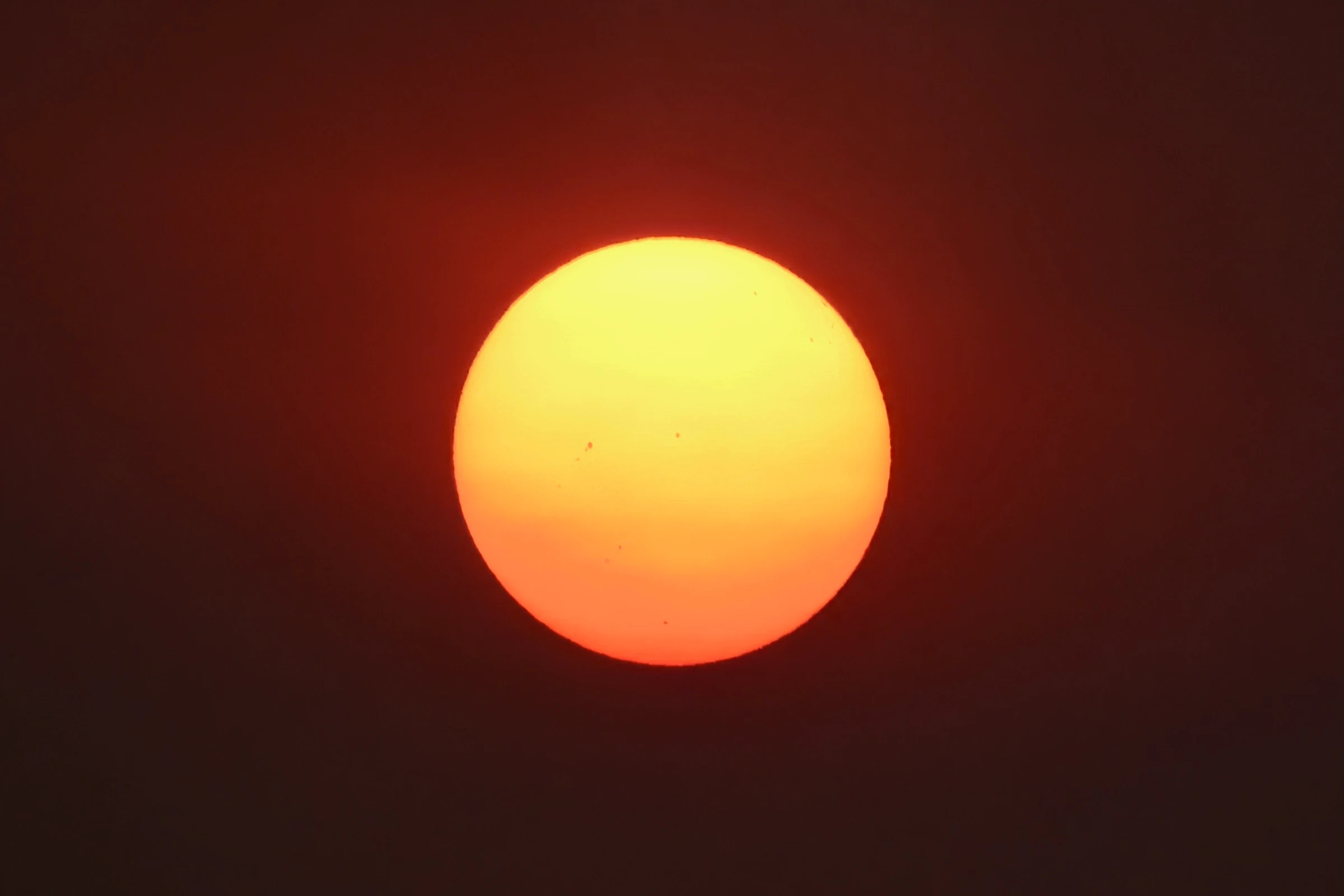
The Sun as a dim orange disc through wildfire smoke at sunrise over Seattle, 4 September 2025. Photo: Lianguanlun, CC BY 4.0 (creativecommons.org/licenses/by/4.0), via Wikimedia Commons. Resized. 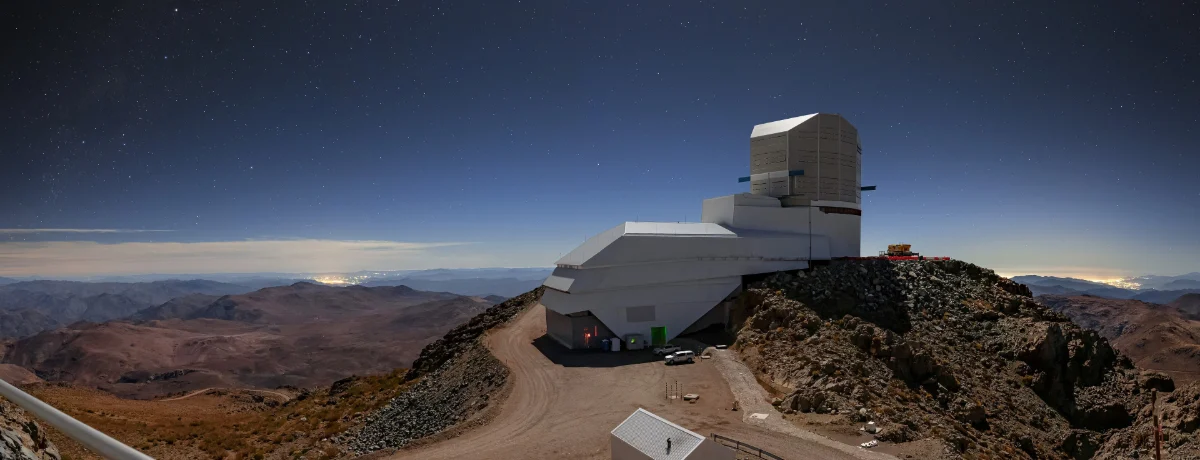
The Vera C. Rubin Observatory in Chile. Its ten-year survey began on 29 June 2026. Photo: Rubin Observatory/NOIRLab/NSF/AURA/B. Quint, CC BY 4.0 (creativecommons.org/licenses/by/4.0), via Wikimedia Commons. Resized.

Select a photograph to see it full size, with its caption and credit.
Sources
- ZetaTalk Chat Q&A for September 2026 ZetaTalk (Nancy Lieder, for the Zetas) Primary record
- Photograph posted on X by @asiathemystic, Aberdeen, Washington, 7:20 am, 21 September 2026, as reposted by ZetaTalk with its caption ZetaTalk, September 2026 chat Primary record
- ZetaTalk Newsletter issue 1026, August 2, 2026, Point of Passage ZetaTalk (Nancy Lieder, for the Zetas) Primary record
- ZetaTalk Chat Q&A for October 2026 ZetaTalk (Nancy Lieder, for the Zetas) Primary record
- ZetaTalk Chat Q&A for November 2026, read in progress on November 8, 2026 ZetaTalk (Nancy Lieder, for the Zetas) Primary record
- ZetaTalk Newsletter issue 1035, October 25, 2026, Severe Wobble ZetaTalk (Nancy Lieder, for the Zetas) Primary record
- ZetaTalk: Last Weeks Countdown, written August 14, 2010 ZetaTalk (Nancy Lieder, for the Zetas) Primary record
- Nancy Lieder biography ZetaTalk Primary record
- ZetaTalk: Earth Twin, written October 15, 1995 ZetaTalk (Nancy Lieder, for the Zetas) Primary record
- ZetaTalk: Dark Twin, written April 19, 2004 ZetaTalk (Nancy Lieder, for the Zetas) Primary record
- ZetaTalk: Winter Solstice, written December 16, 2004 ZetaTalk (Nancy Lieder, for the Zetas) Primary record
- ZetaTalk, written April 3, 2006 ZetaTalk (Nancy Lieder, for the Zetas) Primary record
- ZetaTalk: Venus Transit Veer, written June 6, 2012 ZetaTalk (Nancy Lieder, for the Zetas) Primary record
- ZetaTalk: Time Frame, written prior to July 15, 1995 ZetaTalk (Nancy Lieder, for the Zetas) Primary record
- ZetaTalk: White Lie, written May 23, 2003 ZetaTalk (Nancy Lieder, for the Zetas) Primary record
- ZetaTalk: Why May 15, written October 17, 2003 ZetaTalk (Nancy Lieder, for the Zetas) Primary record
- ZetaTalk, written April 24, 2005 ZetaTalk (Nancy Lieder, for the Zetas) Primary record
- ZetaTalk, written June 3, 2006 ZetaTalk (Nancy Lieder, for the Zetas) Primary record
- ZetaTalk live chat, July 11, 2009 ZetaTalk (Nancy Lieder, for the Zetas) Primary record
- ZetaTalk, written December 12, 2009 ZetaTalk (Nancy Lieder, for the Zetas) Primary record
- ZetaTalk Newsletter issue 762, May 9, 2021, Point of Passage ZetaTalk (Nancy Lieder, for the Zetas) Primary record
- ZetaTalk Newsletter issue 1002, November 30, 2025 ZetaTalk (Nancy Lieder, for the Zetas) Primary record
- ZetaTalk live chat, written February 21, 2009 ZetaTalk (Nancy Lieder, for the Zetas) Primary record
- ZetaTalk: Timeline Anxiety, written June 10, 2014 ZetaTalk (Nancy Lieder, for the Zetas) Primary record
- ZetaTalk: Point of Passage, written December 15, 2012 ZetaTalk (Nancy Lieder, for the Zetas) Primary record
- ZetaTalk Newsletter issue 1021, June 14, 2026, Dark Twin Passage ZetaTalk (Nancy Lieder, for the Zetas) Primary record
- Sun and Moon Data for One Day, Aberdeen, Washington, September 21, 2026 US Naval Observatory, Astronomical Applications Department Primary record
- Celestial Navigation Data, Aberdeen, Washington, 7:20 am PDT, September 21, 2026 US Naval Observatory, Astronomical Applications Department Primary record
- Celestial Navigation Data, Aberdeen, Washington, 7:15 pm PDT, September 21, 2026 US Naval Observatory, Astronomical Applications Department Primary record
- Celestial Navigation Data, Aberdeen, Washington, 6:30 am PST, February 15, 2027 US Naval Observatory, Astronomical Applications Department Primary record
- Hoquiam (KHQM) hourly observations, September 21, 2026 Iowa Environmental Mesonet, Iowa State University (NWS METAR archive) Primary record
- Area Forecast Discussion, NWS Seattle, 857 AM PDT, September 21, 2026 National Weather Service, via the Iowa Environmental Mesonet archive Primary record
- Andrew T. Young, Airmass San Diego State University Study
- Fima Koreban and Yoav Y. Schechner, Geometry by Deflaring, IEEE ICCP 2009 Technion, Israel Institute of Technology Primary record
- Haloes and sun dogs Royal Meteorological Society, MetMatters Study
- STEREO mission page NASA Primary record
- Danny Freedman, Could There Be A Planet Hidden On The Opposite Side Of Our Sun?, 2009 Popular Science Study
- NASA's WISE Finds Earth's First Trojan Asteroid, July 27, 2011 NASA Jet Propulsion Laboratory Primary record
- Asteroid Size Estimator NASA JPL Center for Near Earth Object Studies Primary record
- Rubin Observatory survey progress Vera C. Rubin Observatory Primary record
- Rubin Observatory baseline survey, microsurveys Vera C. Rubin Observatory Primary record
- NEO Surveyor mission page NASA Primary record
- Inferior conjunction - Venus! October 23-24, 2026 EarthSky Study
- Venus before sunrise: greatest elongation January 3, 2027 EarthSky Study
- About LASCO US Naval Research Laboratory, LASCO team Primary record
- New Earth Trojan asteroid, February 1, 2022 University of Barcelona, via EurekAlert Study
- ZetaTalk Newsletter issue 765, May 30, 2021, 2023 vs 2026 ZetaTalk (Nancy Lieder, for the Zetas) Primary record
- ZetaTalk Chat Q&A for November 2025 ZetaTalk (Nancy Lieder, for the Zetas) Primary record
- Ryan S. Park and others, The JPL Planetary and Lunar Ephemerides DE440 and DE441, The Astronomical Journal 161:105, 2021 American Astronomical Society, IOP Publishing (CC BY 4.0) Primary record