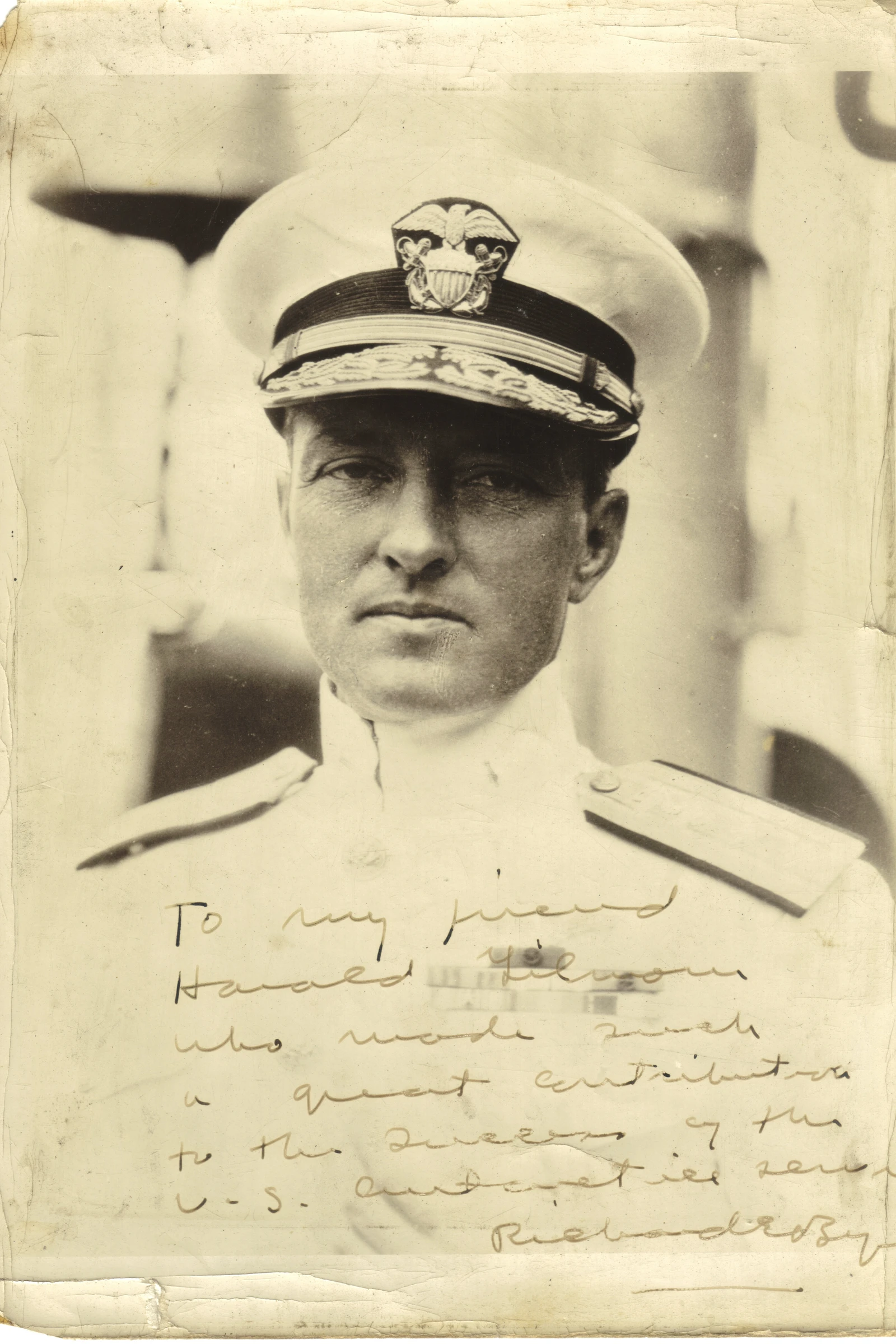
Rear Admiral Richard E. Byrd had already led three expeditions to Antarctica when the US Navy sent him back at the end of 1946, as officer in charge of Operation Highjump, the largest expedition ever sent to the continent. On Wednesday, 5 March 1947, with his flagship still at sea on the way north, the Santiago newspaper El Mercurio printed an interview with him on page 23. It was about the next war.
Just over 4,700 men. Thirteen ships, among them an aircraft carrier, a submarine and icebreakers. Thirty-three aircraft. A belt of pack ice some 600 miles wide between the open ocean and the coast, and on the far side of it a continent that most maps still left blank: mountain ranges nobody had seen, a shelf of floating ice some 400 miles across, and lakes of open water lying among bare brown hills.
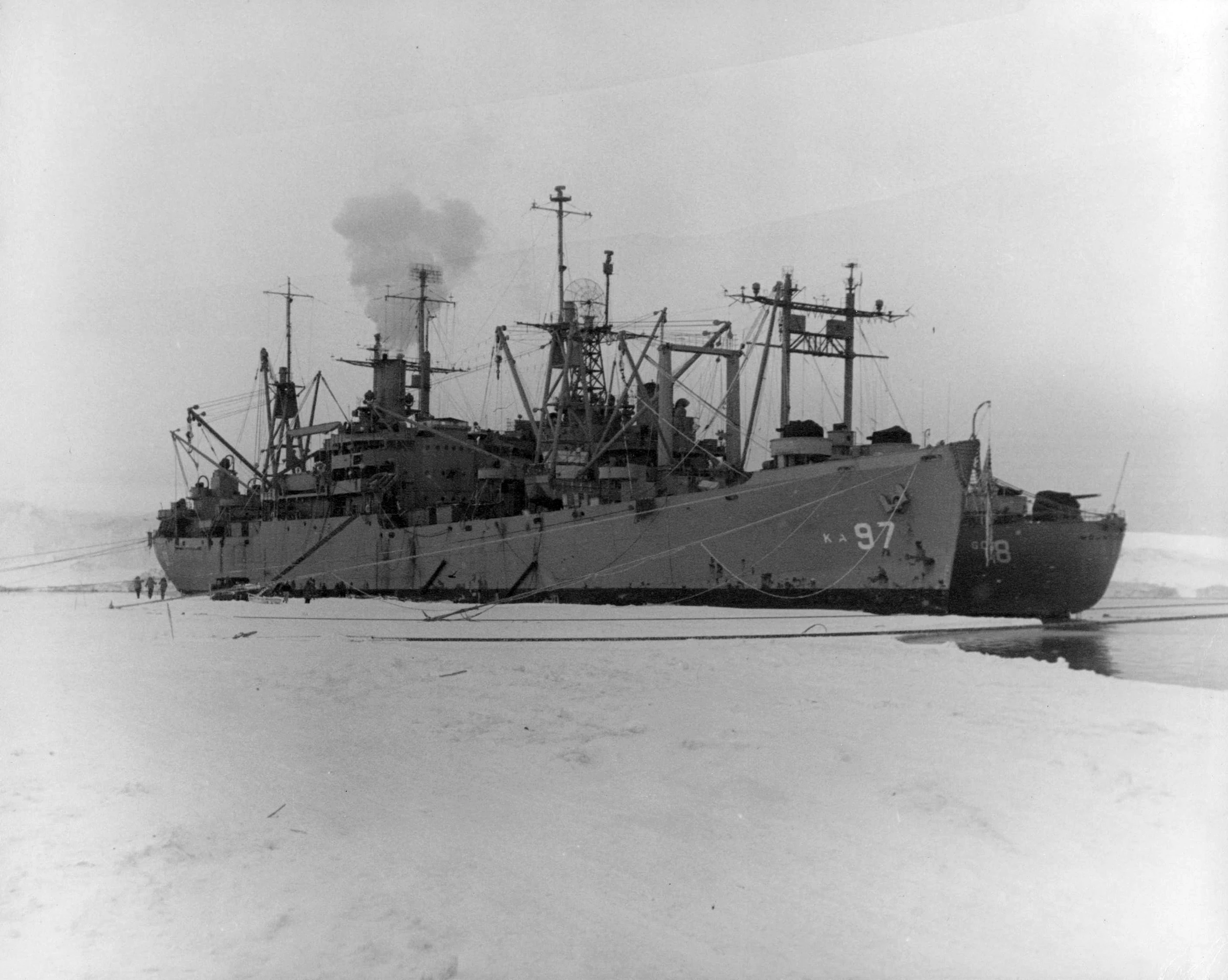
That February Byrd had flown over the South Pole again, and on beyond it.
What he told the reporter was not about ice. In Spanish, on page 23, he warned that the United States could be attacked across the poles. In English, decades later, the same interview said something stranger.
In one version, planes. In the other, flying objects.
The man who went to both ends of the Earth
Byrd was born on 25 October 1888 in Winchester, Virginia, and graduated from the Naval Academy in 1912. An old leg injury retired him from the Navy in March 1916; he was recalled that May, and in 1918 he qualified as a naval aviator.
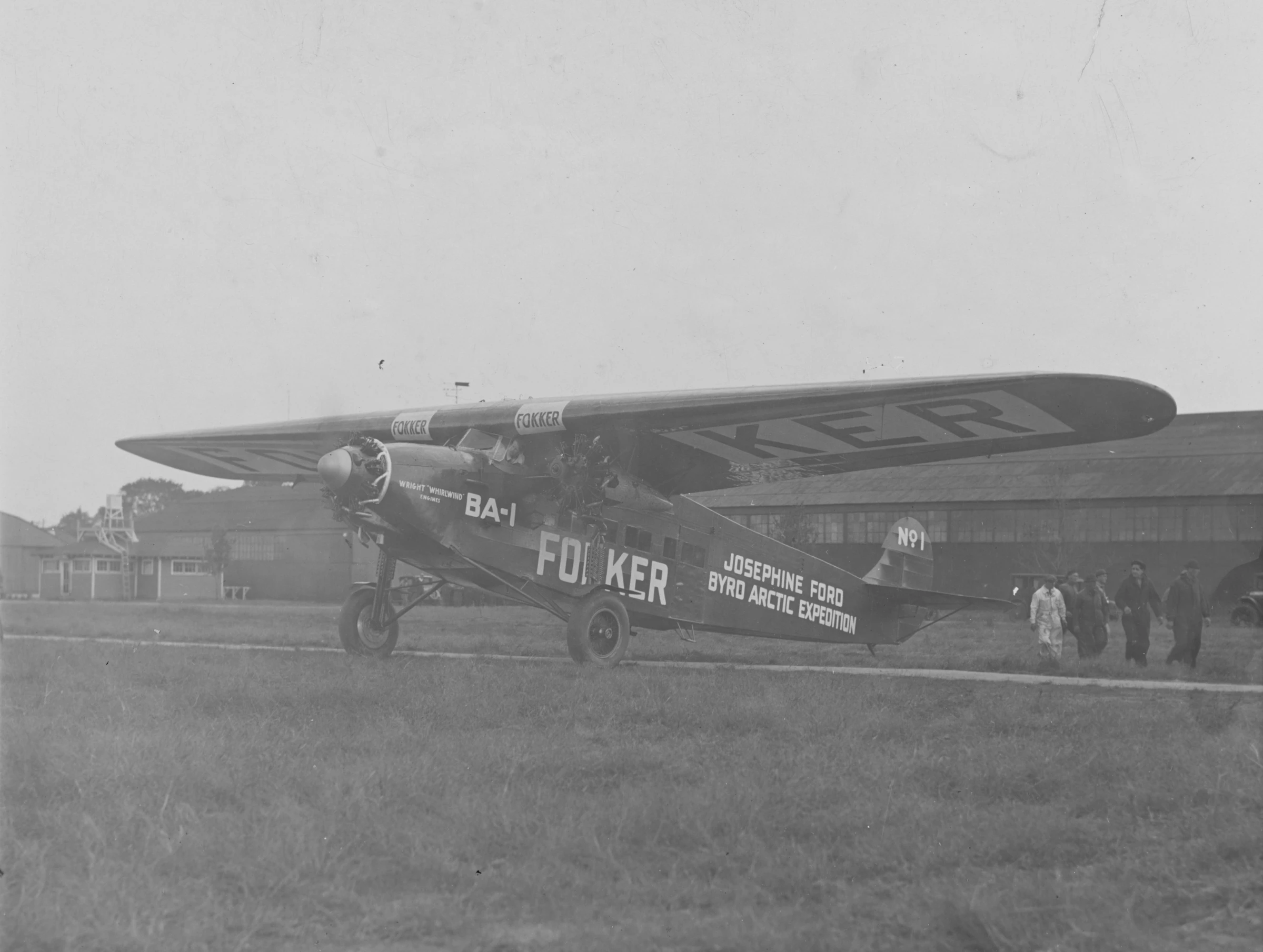
On 9 May 1926 he and the Navy pilot Floyd Bennett took off from Kings Bay, Spitsbergen, in a Fokker trimotor named Josephine Ford, and came back to report that they had flown over the North Pole. He was awarded the Medal of Honor for it. In 1996 the archivist Raimund Goerler found Byrd's flight diary in a box of artifacts at Ohio State University. It showed that Byrd believed at the time that he had reached the pole. It also showed erased sextant figures, and the researcher Dennis Rawlins concluded in the journal Polar Record in 2000 that the Josephine Ford had turned back short of it.
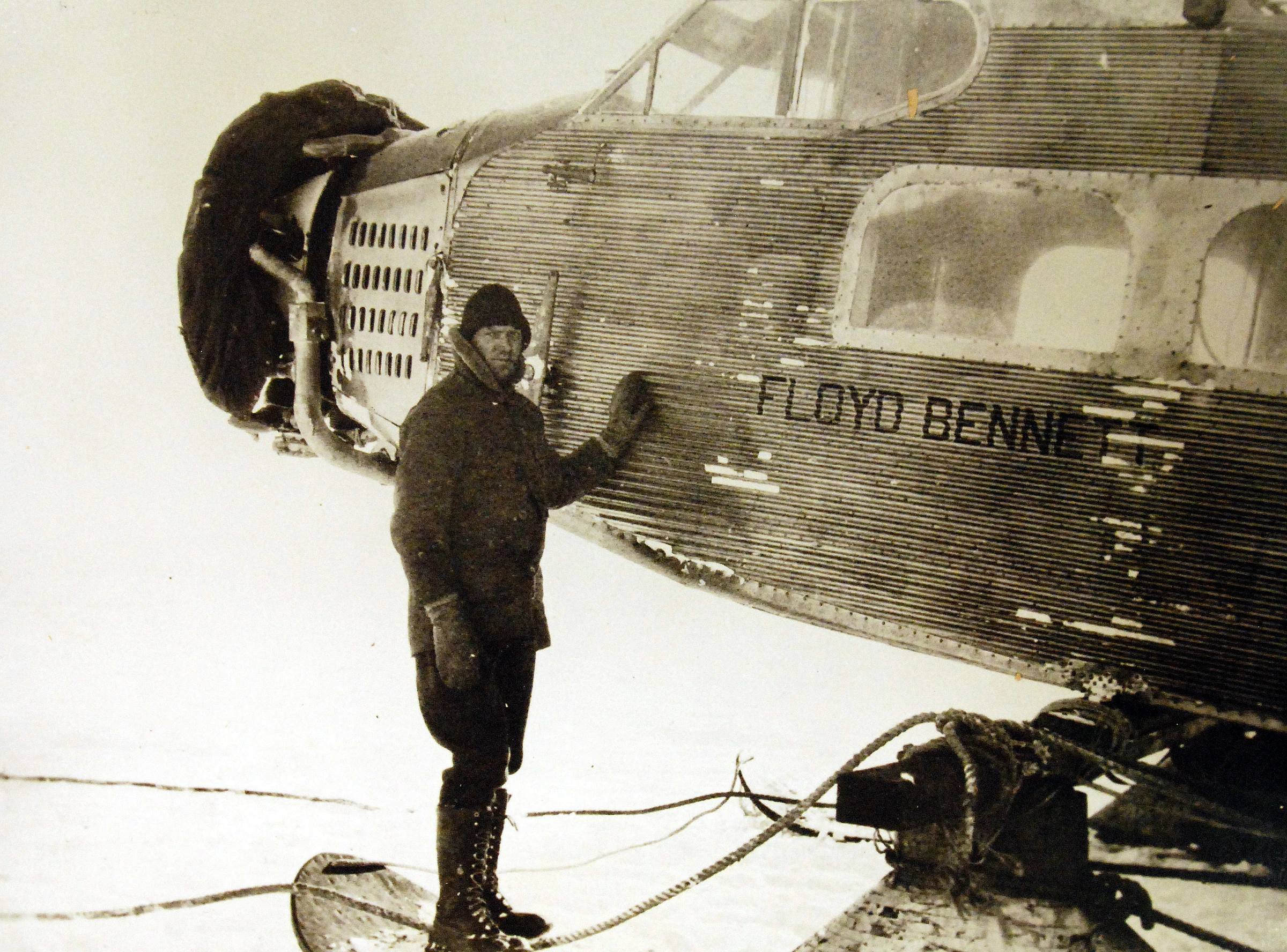
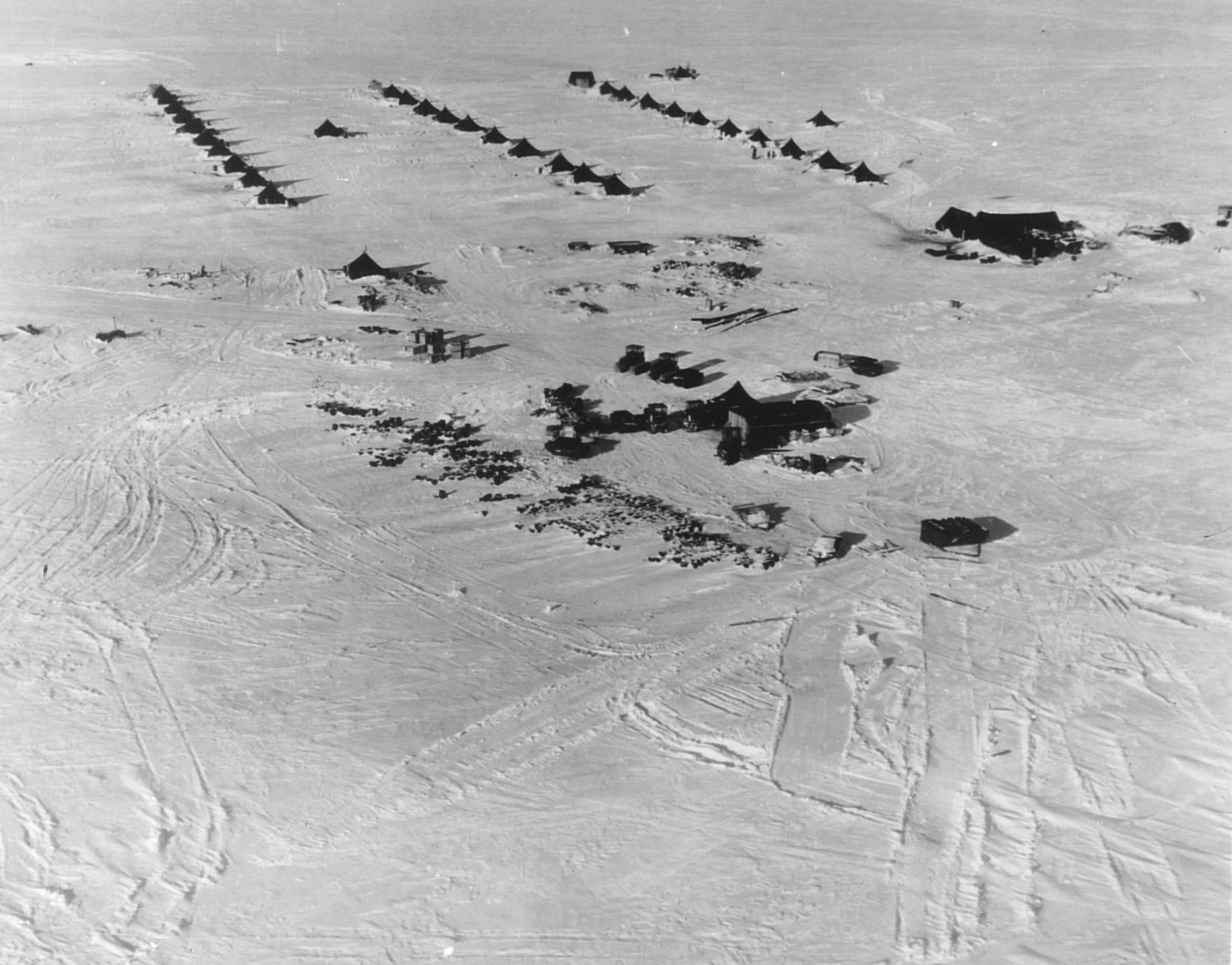
Then the south. On 1 January 1929 Byrd's expedition set up its base, Little America, on the ice of the Bay of Whales. On 28 November, with Bernt Balchen at the controls, Byrd and three companions took off in a Ford trimotor named Floyd Bennett and flew to the South Pole and back, a flight of nearly 19 hours. Congress made him a rear admiral that December.
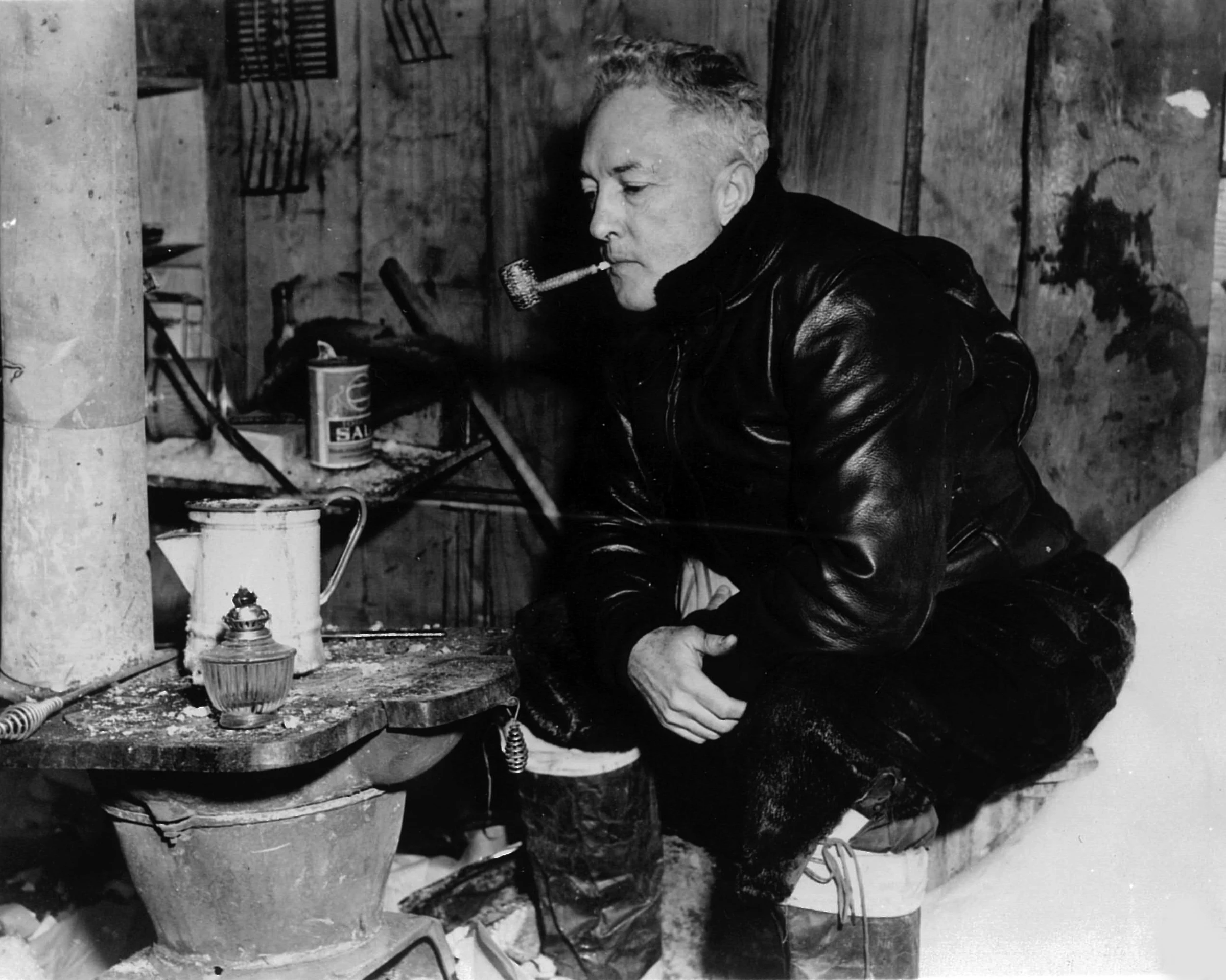
In 1934, on his second expedition, he spent the winter on his own at an advanced weather base, recording the long polar night. Carbon monoxide poisoned him there, and he nearly died before he was rescued. He wrote the book about it, Alone, in 1938, and the Navy's own history says he suffered the effects of the poisoning for the rest of his life. In 1939 he went back a third time, with the new US Antarctic Service.
By 1946 he was 58, and he had been south three times.
Task Force 68
Admiral Chester Nimitz authorised Operation Highjump on 26 August 1946. Its commander was Rear Admiral Richard H. Cruzen; Byrd, retired and recalled, was officer in charge of the project. The Navy's report, as quoted by the researchers Colin Summerhayes and Peter Beeching, gave it six objectives. The first was "training personnel and testing equipment in frigid conditions." The second was "consolidating and extending United States sovereignty over the largest practicable area of the Antarctic continent," with the note that this "was publicly denied as a goal even before the expedition ended." The fourth asked for techniques for air bases on ice, "with particular attention to later applicability of such techniques to operations in interior Greenland."
The ships left the United States on 2 December 1946, late in the season. On 30 December a Navy flying boat, the PBM George 1, flew into the ice in a whiteout near Thurston Island; three of her crew were killed, and the six survivors were found 13 days later. The expedition's aircraft took some 70,000 photographs of a southern continent that had been drawn on maps since long before anyone saw it, as on Oronce Fine's world map of 1531, and of the land behind its coast. One flying boat, flown by Lieutenant Commander David Bunger, found a stretch of ice-free hills and open lakes far to the west, which the newspapers called an oasis.
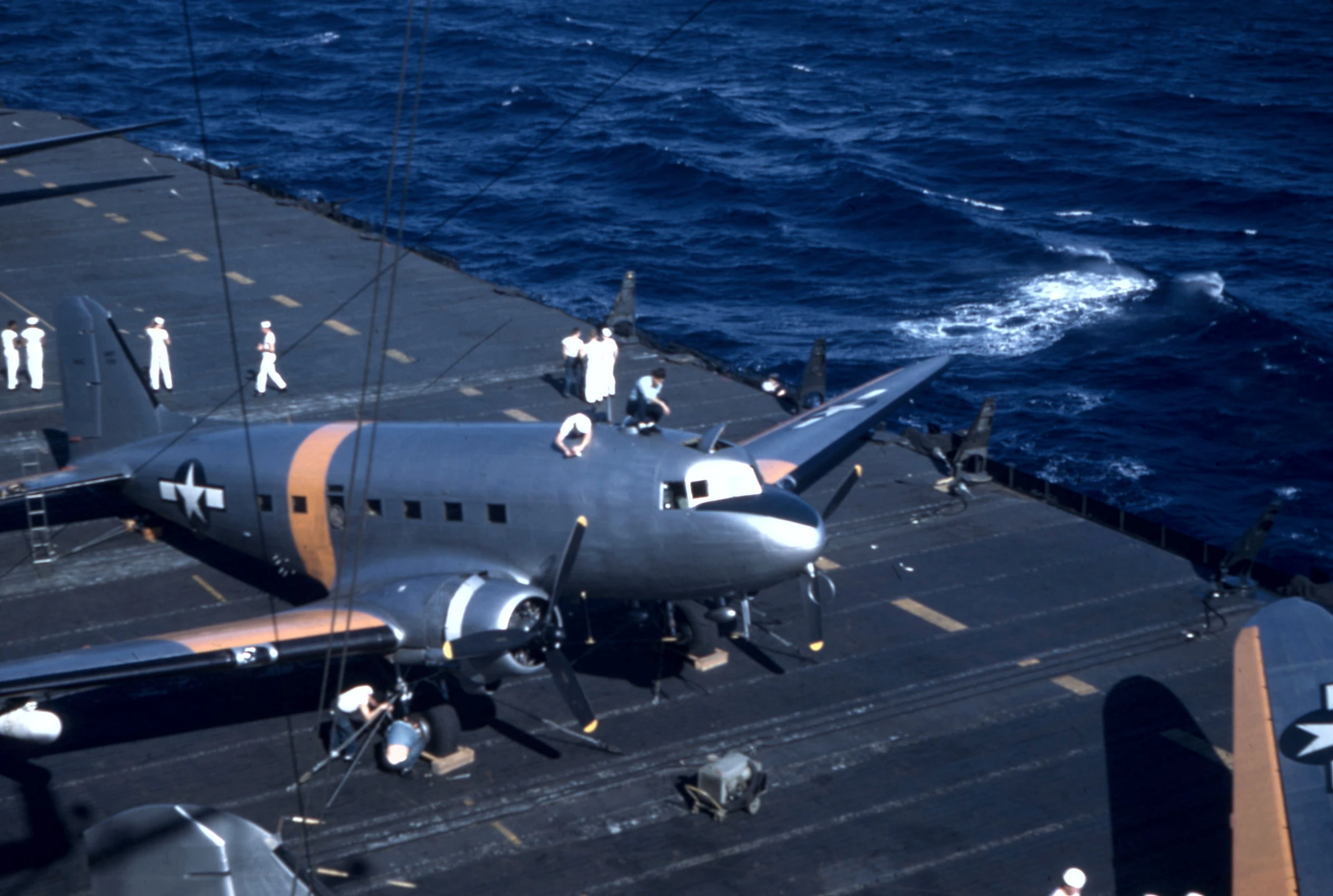
By late February the ice was closing. The ships left the Ross Sea earlier than planned, and on 28 February the flagship, the USS Mount Olympus, crossed the Antarctic Circle on her way to Wellington with Byrd and Cruzen aboard. Eleven journalists sailed with Highjump, and between December and March they sent 2,011 messages home. One of them was Lee Van Atta of the International News Service, the Hearst wire. On 27 February, the day the Little America party came aboard the flagship from an icebreaker, he filed from the Mount Olympus under the line "Representing the Combined American Press."
Page 23
El Mercurio printed Van Atta's interview on page 23 of its issue of Wednesday, 5 March 1947. The date, page and author come from Summerhayes and Beeching's 2007 paper in Polar Record, whose authors thank Sandra Valenzuela of Chile's national library for help in checking documents, and a translator, Jorge Guzman.
A Spanish text of it was posted online in 2015 by the biblical scholar Michael S. Heiser. In the text he posted it is "imperativo" for the United States to begin "medidas de defensa," measures of defence, against the possibility of an invasion by "aviones hostiles provenientes de las regiones polares": hostile planes coming from the polar regions. The admiral did not want to frighten anybody, the text goes on, but "es una verdad amarga," it is a bitter truth, that in a new war the United States could be attacked "por aviones que pueden volar sobre uno o los dos polos," by planes that can fly over one or both poles.
The interview ends with a warning. In the English that Heiser printed beside it: "I have to warn my compatriots that the time has ended when we were able to take refuge in our isolation and rely on the certainty that the distances, the oceans, and the poles were a guarantee of safety."
Two days later the Mount Olympus reached Wellington. More than 20 journalists came aboard, and Byrd, carrying a cane that had belonged to Captain Scott, gave them 20 minutes. The Evening Post reported that he spoke of the expedition's importance "in a shrinking world," and mentioned the shrinking world "several times." With equipment that had detected submarines in the war, he said, the expedition had found islands beneath the ice cap. It had found fresh-water lakes free of ice, some "big enough to land aircraft," and primitive plant life. The day before, aboard the same ship, he had told reporters: "Never in history has any expedition discovered so much unknown area."
Flying objects, pole to pole
The version that has travelled furthest in English is stronger. In it, Byrd warned that "in case of a new war the continental United States would be attacked by flying objects which could fly from pole to pole at incredible speeds."
The earliest printing of that sentence that Summerhayes and Beeching could find is on page 99 of UFO's: Nazi Secret Weapon?, published in Toronto in 1975 by Samisdat under the names W. Mattern and Christof Friedrich. Summerhayes and Beeching identify Christof Friedrich as Ernst Zundel, whose middle names those were, and they credit the book with the first clear link between the flying saucers and Highjump.
The story behind it is older. In 1947, the year of the expedition, the writer Ladislao Szabo, working in Buenos Aires, put a German refuge in Antarctica in his book Hitler esta vivo, Hitler is alive, which appeared in French the same year, and read Highjump as a force sent against it. Later writers placed the refuge in Neuschwabenland, the stretch of Dronning Maud Land that a German expedition under Captain Alfred Ritscher had photographed from the air in 1938 and 1939. Mattern and Friedrich printed, without a source, a Byrd quotation about breaking "the last desperate resistance of Adolf Hitler" there. On that reading the admiral came home warning of what had come up to meet his fleet. Henry Stevens repeated the pole-to-pole line in 1997, Joseph Farrell in 2005, and the writer Erich Choron carried it onto the web.
The record has odd corners of its own. A Navy objective about sovereignty, denied in public. A season cut short. Four men dead, three of them in one crash. An official report classified Confidential. Byrd's own statement of the expedition's aims, printed in Sydney in March 1947, calling the aerial mapping "a task of strategic significance." And a feature in the Sydney Daily Telegraph that month, which said the expedition had found an oasis of warm lakes "and a lot of other things they kept to themselves."
A second strand runs through the phrase "beyond the pole." In 1959 F. Amadeo Giannini published Worlds Beyond the Poles, and that December Ray Palmer's magazine Flying Saucers quoted Byrd as saying in February 1947: "I'd like to see that land beyond the Pole. That area beyond the Pole is the center of the great unknown." Palmer added a line he dated to 1957, before Byrd's death: "That enchanted continent in the sky, land of everlasting mystery!" Raymond Bernard built a book on both quotations in 1964, The Hollow Earth. In 1990 a text called The Missing Diary of Admiral Richard E. Byrd was published, describing a flight on 19 February 1947 past the North Pole and a meeting on the far side.
On Palmer's reading, the saucers came from the lands beyond the poles. On Zundel's, they flew between them. Both start from the same admiral and the same winter.
If the English is right
Set aside for a moment whether the strong version is what Byrd said. Ask the larger question. What would it mean if it were?
It would mean that a rear admiral who had led three expeditions to the Antarctic came back from the largest of them all and told the world's press, in plain words, that in a new war machines no nation had declared could come over the bottom of the world. Which would make Highjump something other than an exercise. It would make it an encounter, reported once and never again.
It would mean the flying-saucer age began earlier than the books say. Kenneth Arnold's sighting came in June 1947, and five years later George Adamski told of a meeting in the California desert. On this reading, an admiral had described flying objects nearly four months before Arnold, at the far end of the planet.
It would mean we have been wrong about the shape of our own century. The record of the years after 1945 is a record of nations building bombers, missiles and satellites in plain sight. If the strong version holds, something else was already in the air over the poles, and our history of those years is missing its first chapter.
And it would leave one question still in front of us. In 1959 twelve governments signed a treaty that set the continent aside for peaceful purposes and opened every station on it to inspection at all times. Read alongside the strong version, the Antarctic Treaty looks like a fence. If that reading is right, the question is who has been flying over the bottom of the world ever since, and what the inspectors have been shown.
The standard account
The standard account rests mostly on one paper: Summerhayes and Beeching, "Hitler's Antarctic base: the myth and the reality," Polar Record, 2007. Summerhayes was then at the Scott Polar Research Institute in Cambridge. They went back to the Navy's report, traced the story through the books that built it, and concluded that Highjump "was designed to train the US Navy for a possible war with the Soviet Union in the Arctic, and not to attack an alleged German base in Antarctica." It followed two Arctic exercises, Frostbite in 1945 and 1946 and Nanook in the summer of 1946, and on their reading it went south to avoid the diplomatic incident a full-scale naval exercise near the Soviet Union would have caused. The report, they note, was classified Confidential, never Secret. They found that "the US Navy flew over almost none of the territory mapped by the Germans in 1938-1939," that the Ritscher expedition was not military, and that no German base was built there. "Quotations attributed to Byrd suggesting anything to the contrary have been invented."
On the interview, they set the Spanish beside the English. The pole-to-pole sentence, they wrote, is "at best, a bad translation of the Spanish original, or, at worst, a deliberate mistranslation." What Byrd described, they concluded, was the threat of Soviet planes attacking across the polar regions, in a world that was rapidly shrinking. Cruzen said much the same in the New York Times of 2 March 1947: "If the defense of America hinges on the Poles - as it may well do in the future - a unit of informed and experienced air and sea power presents a formidable defense combination." The shortest air route between the United States and the Soviet Union lay across the Arctic, and as a Sydney paper noted that month, British, American and Russian planes had already crossed the North Pole on long-distance flights.
The rest of the larger story, on this account, comes apart on dates. In February 1947, when Giannini and Palmer place Byrd on a flight beyond the North Pole, he was in the Antarctic. When Byrd wrote of "the mystery land beyond the pole," the researcher David Pratt points out, he meant the unexplored ice past the South Pole. Palmer gave no source for his quotations, and the Missing Diary was published 33 years after Byrd's death.
What the standard account does not reach
The standard account explains the strong English. It does not put the page in front of anybody.
Summerhayes and Beeching cite El Mercurio of 5 March 1947, page 23, and print an English translation of it. They do not print the Spanish, and they do not reproduce the page. Heiser printed the Spanish but named no source for it: no scan, no library, no correspondent. "Anyone who can read Spanish can verify this," he wrote, and gave nothing to verify it against. Summerhayes and Beeching note that the writer Joseph Farrell printed a Spanish text beside the strong English in 2005. No page has been put next to either text. The English he printed beside it matches, word for word, the translation Summerhayes and Beeching had published eight years earlier.
The English original has not surfaced either. Official X searched the Library of Congress newspaper archive for early March 1947, where about a third of the pages would not load, and the Australian and New Zealand archives for Van Atta's name from January to April 1947. It found the Wellington press conference and the ships coming home. It did not find the interview, and it did not find a scan of page 23 anywhere online.
Not the Spanish page. Not the English wire copy.
And the Spanish, as Heiser gives it, is not as mild as the translation. "Imperativo" is an imperative. "Aviones hostiles provenientes de las regiones polares" names where the planes come from, not whose they are. The standard account reads that as Soviet planes on an Arctic route, and it is the reading that fits everything else Byrd and Cruzen said that winter. The sentence itself does not name the Soviet Union.
A page in a library in Santiago
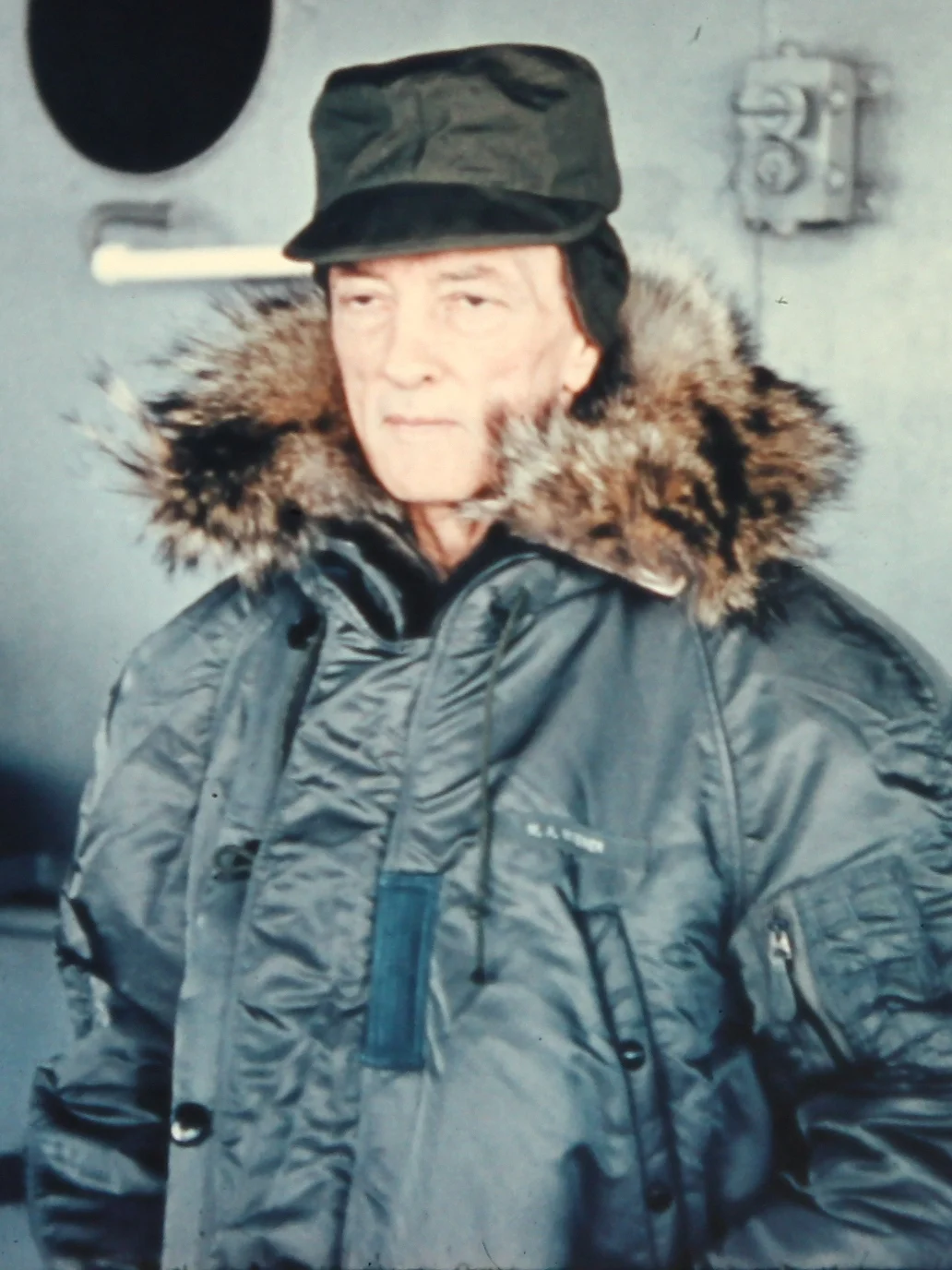
In 2015 Heiser called the paper by Summerhayes and Beeching "the only peer-reviewed research article on this topic I know of." Heiser died in 2023. Byrd's own account of Highjump, "Our Navy Explores Antarctica," ran in National Geographic in October 1947. He went south once more, in 1955, with Operation Deep Freeze, and he died at his home in Boston on 11 March 1957, six days after the tenth anniversary of the interview.
What the planes were is one question. What a document could settle is a narrower one, and it can be looked at.
A newspaper of Wednesday, 5 March 1947, page 23.
That page would settle what Santiago printed. Van Atta's English, if a copy turns up in a Hearst paper or the wire service's files, would settle what he filed. Neither would settle what Byrd thought when he said it, and neither would show what is or is not under the ice. But together they would end the argument over the words, the one argument in this story where the evidence is a sheet of newsprint, sitting in an archive, waiting for somebody to photograph it.
Questions This Leaves You With
Is there anything a person actually does with this?
Not with your own life, honestly. Whatever Byrd meant in 1947, nothing in it points to a date, a danger or a preparation, and anyone who sells you one is selling something. The larger question is not personal. It is whether a page of newsprint, read in translation by people who wanted different things from it, can carry the history of a century. That one stays open, and it is not yours alone to answer. What you can do is notice, the next time you meet the pole-to-pole sentence, which version you are being shown, and whether anyone shows you the page.
Does this sit against a religious account of the world?
It can be read both ways, and serious people have read it both ways. Some hear in a hidden land beyond the poles an echo of older accounts of a world with more in it than its maps. Others, with equal faith, see nothing in an admiral's warning about bombers that touches what they believe. The scholar who published the Spanish spent his working life on the Hebrew Bible, took the questions behind these stories seriously, and rejected this quotation. This site will not tell you which way it falls for you. The interview itself says nothing about God, only about planes, poles and a shrinking world.
Does this change what a human life is?
Hold your own life up against the scale in the middle of this story: a coast photographed 70,000 times in a single summer, by a fleet the Navy sent partly to train for a war, and mountains nobody had ever seen until that season. One way of seeing it makes a life smaller. Whole coasts of the planet were still blank within living memory. The other way makes it larger. It took a single lifetime to put that continent on the map. Which of those did you feel when you read it?
What would change your mind, in either direction?
Name it now, before you are committed, because it is harder later. Toward the strong version: page 23 itself, or Van Atta's English, carrying the words "flying objects" or anything like them; or a document from the Navy's own Highjump files describing something it could not identify. Toward the standard account: the page showing the Spanish as Heiser gives it; the wire service's original saying "planes"; and the copy of the Spanish that Farrell printed in 2005, traced to the page it was taken from. Notice that every item on both lists is a document someone could find and photograph.
Where is page 23?
This is the real gap, and you can point to it. Two historians cite the page and thank a national library for help in checking their documents. A scholar printed its Spanish and said anyone could verify it, without saying from what. Nobody in the record shows the page, and the English story it was translated from has not turned up in the open archives searched. A newspaper from 1947 is not a lost tablet. It survives on paper or film somewhere, in Santiago if nowhere else. Until someone puts it in front of anyone who asks, every version of this quotation, the mild one included, is somebody's copy.
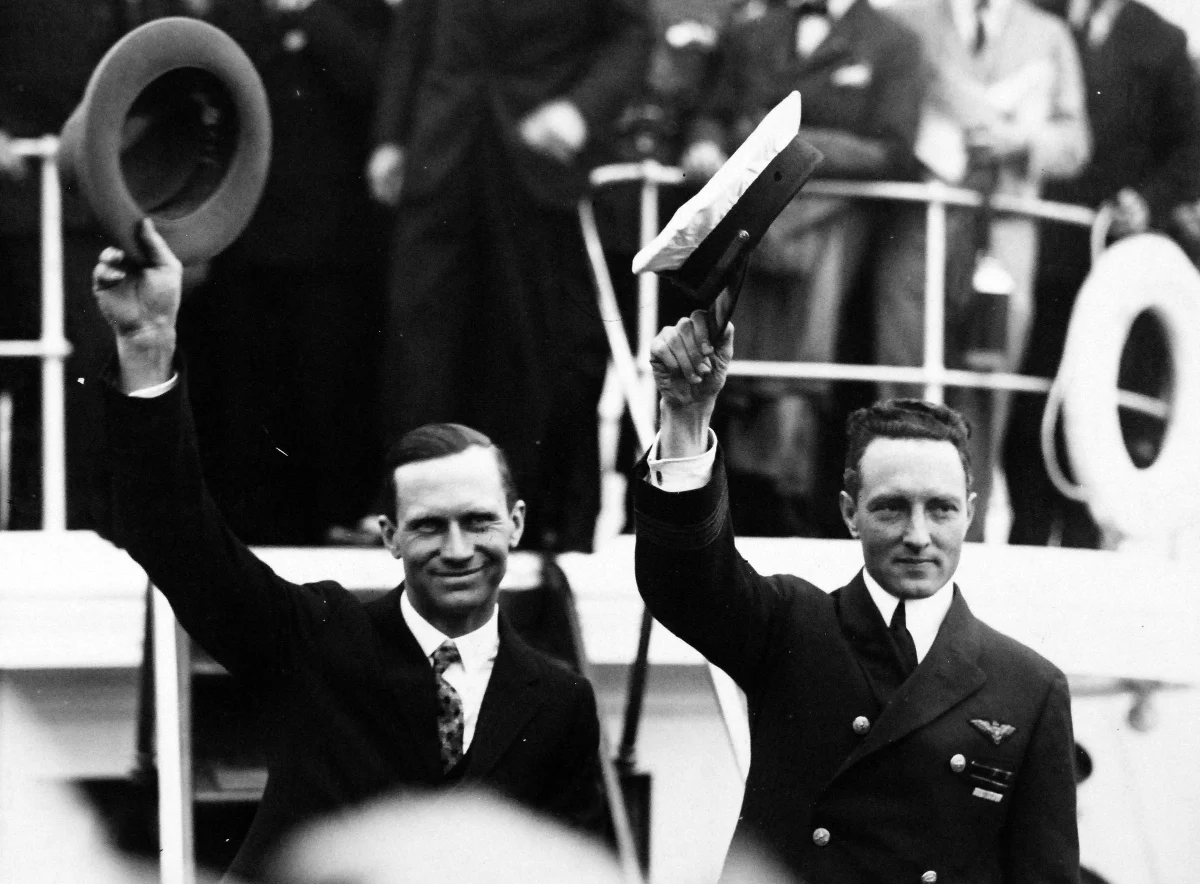
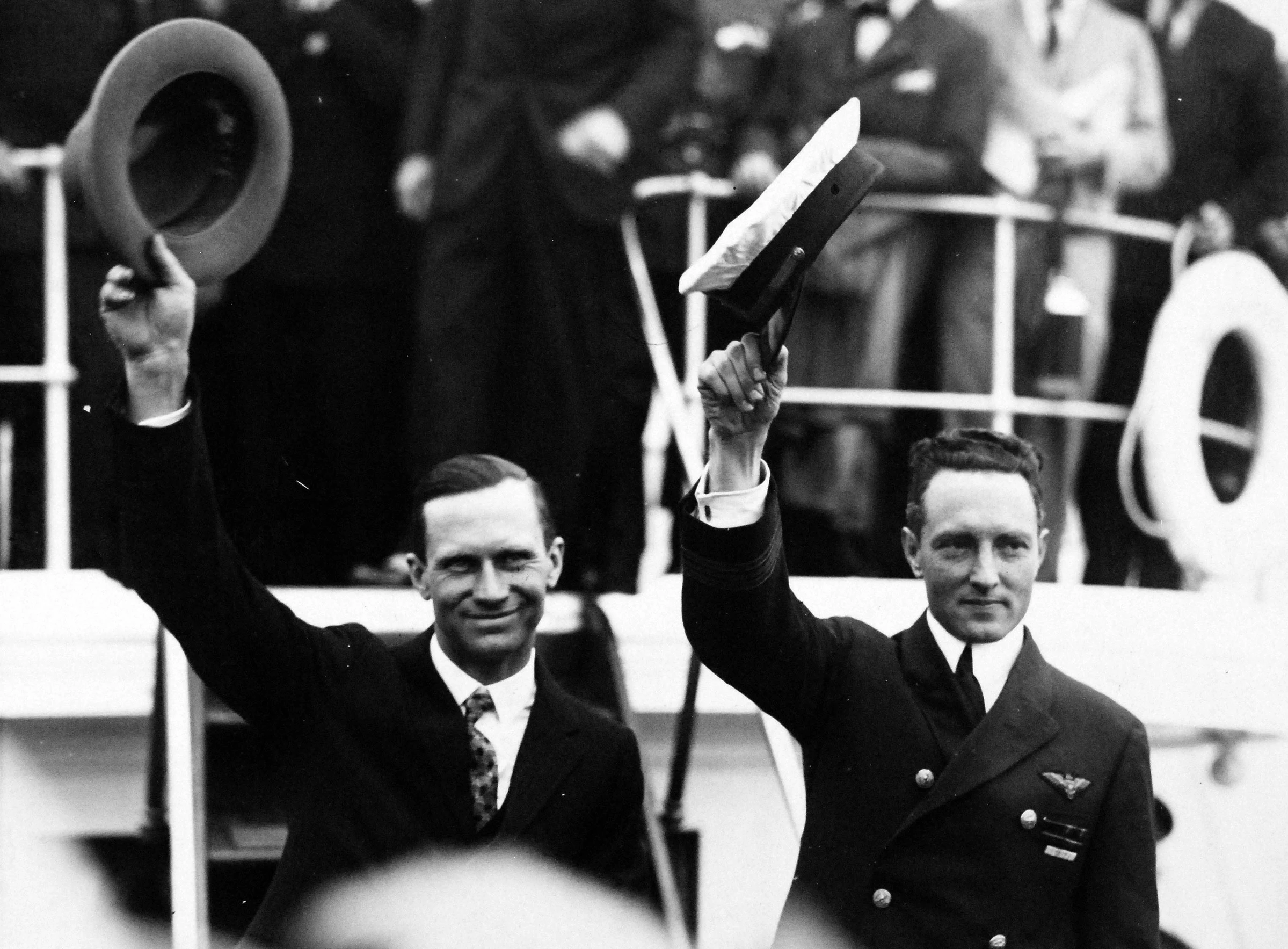
Byrd and Floyd Bennett on their return home after the 1926 North Pole flight. U.S. Navy photo 80-G-465455, National Archives, public domain, via Wikimedia Commons. Resized. 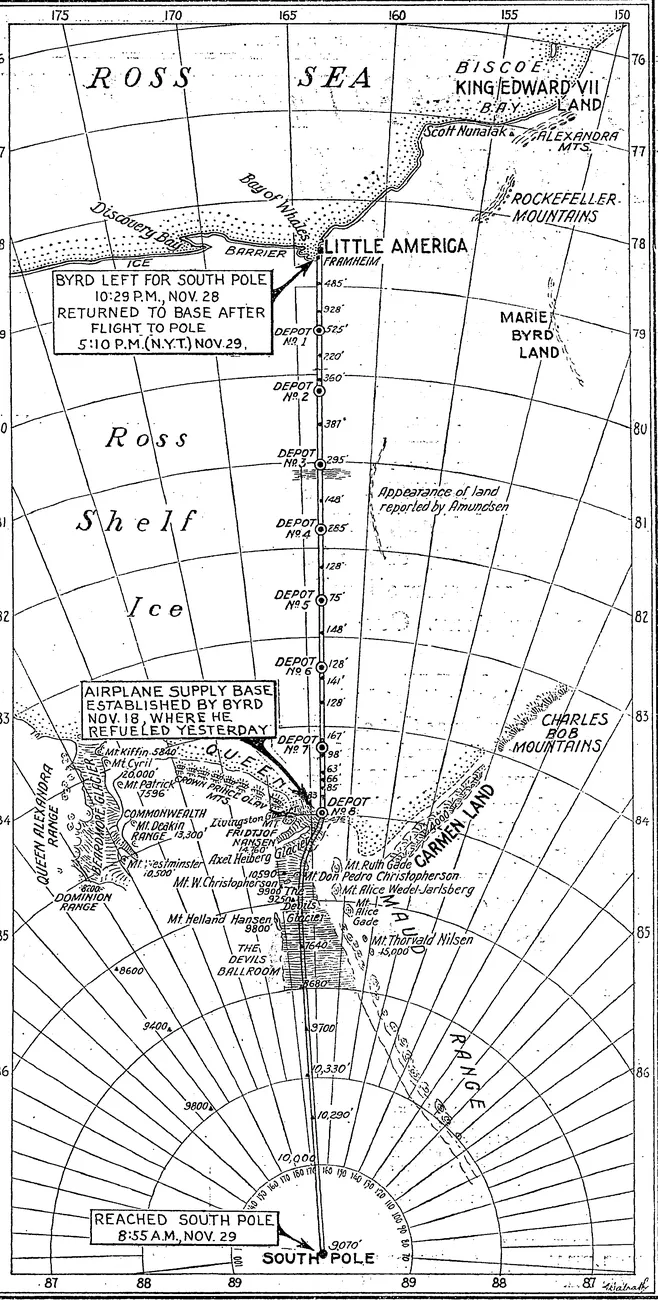
The New York Times map of Byrd's flight from Little America to the South Pole and back, 28-29 November 1929. Map by R. J. Walrath, The New York Times, 30 November 1929, public domain, via Wikimedia Commons. Resized. 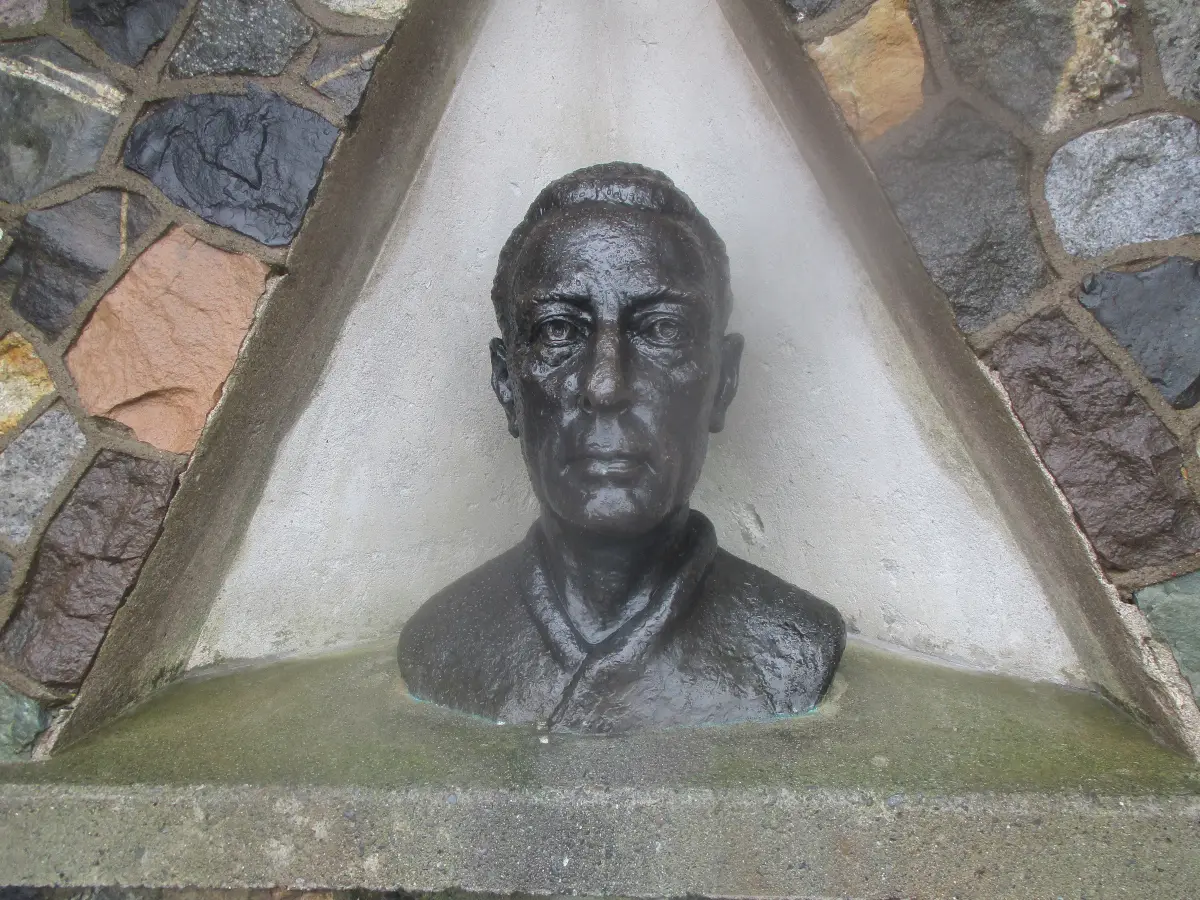
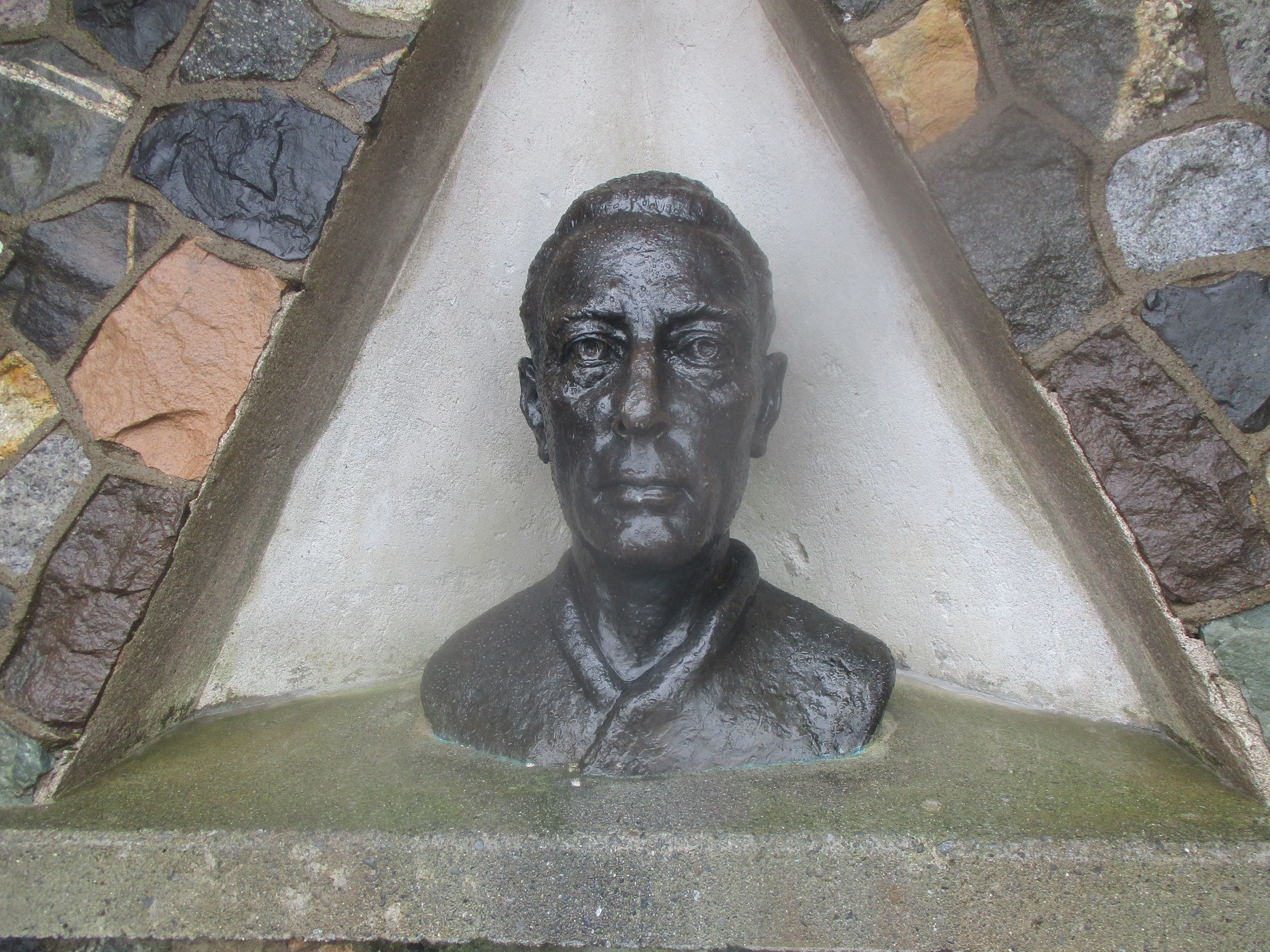
The bronze bust of Byrd at his national memorial on Mount Victoria, Wellington, New Zealand. Photo: August Dominus, CC0, via Wikimedia Commons. Resized.
Sources
- Hitler's Antarctic base: the myth and the reality, Polar Record 43 (224): 1-21 (2007) Colin Summerhayes and Peter Beeching, Cambridge University Press
- The Admiral Byrd / Operation Highjump Myth (2015) Michael S. Heiser, Michael S. Heiser Foundation
- Byrd, Richard E., Rear Admiral, USN (Retired), 1888-1957 Naval History and Heritage Command
- Richard E. Byrd I (DDG-23), Dictionary of American Naval Fighting Ships Naval History and Heritage Command
- Byrd's Diary of North Pole Flight Found in University Archives (1996) Ohio State University
- Byrd's heroic 1926 North Pole failure, Polar Record 36 (196) (2000) Dennis Rawlins, Cambridge University Press
- Richard E. Byrd Papers: published writings Ohio State University Libraries, Byrd Polar Research Center Archival Program
- Richard E. Byrd (encyclopedia entry, read 2026) Wikipedia
- Operation Highjump (encyclopedia entry, read 2026) Wikipedia
- 1946 Operation High Jump Coast Guard Aviation History
- Mount Olympus (AGC-8), Dictionary of American Naval Fighting Ships Naval History and Heritage Command
- U.S. Antarctic Expedition, Press (Christchurch), 3 March 1947 Papers Past, National Library of New Zealand
- Operation Highjump, Evening Post (Wellington), 7 March 1947 Papers Past, National Library of New Zealand
- Unknown Areas in Antarctic, Toowoomba Chronicle, 8 March 1947, p. 7 Trove, National Library of Australia
- Admiral Byrd Says That..., Smith's Weekly (Sydney), 15 March 1947, p. 14 Trove, National Library of Australia
- Unexplored regions, Ronald McKee, Daily Telegraph (Sydney), 29 March 1947, p. 16 Trove, National Library of Australia
- Evening Star (Washington), 5 March 1947, p. A-4 (AP, aboard USS Mount Olympus) Library of Congress, Chronicling America
- Saucers From Earth!, Flying Saucers, December 1959 Ray Palmer (ed.), via IAPSOP
- Hollow-earth theories, part 3 (2001, revised 2016) David Pratt
- The Hollow Earth (1964), chapter 1 Raymond W. Bernard, as reproduced online
- Francis Amadeo Giannini Agosto Foundation
- Michael Heiser (February 14, 1963 - February 20, 2023) Logos
- Kenneth Arnold UFO sighting (encyclopedia entry, read 2026) Wikipedia
- The Antarctic Treaty Secretariat of the Antarctic Treaty
- Icebreaker in Rendezvous With Mount Olympus, by Lee Van Atta, Evening Star (Washington), 27 February 1947, p. A-4 Library of Congress, Chronicling America