All articles
Every article in Lost Technologies, newest first.
-
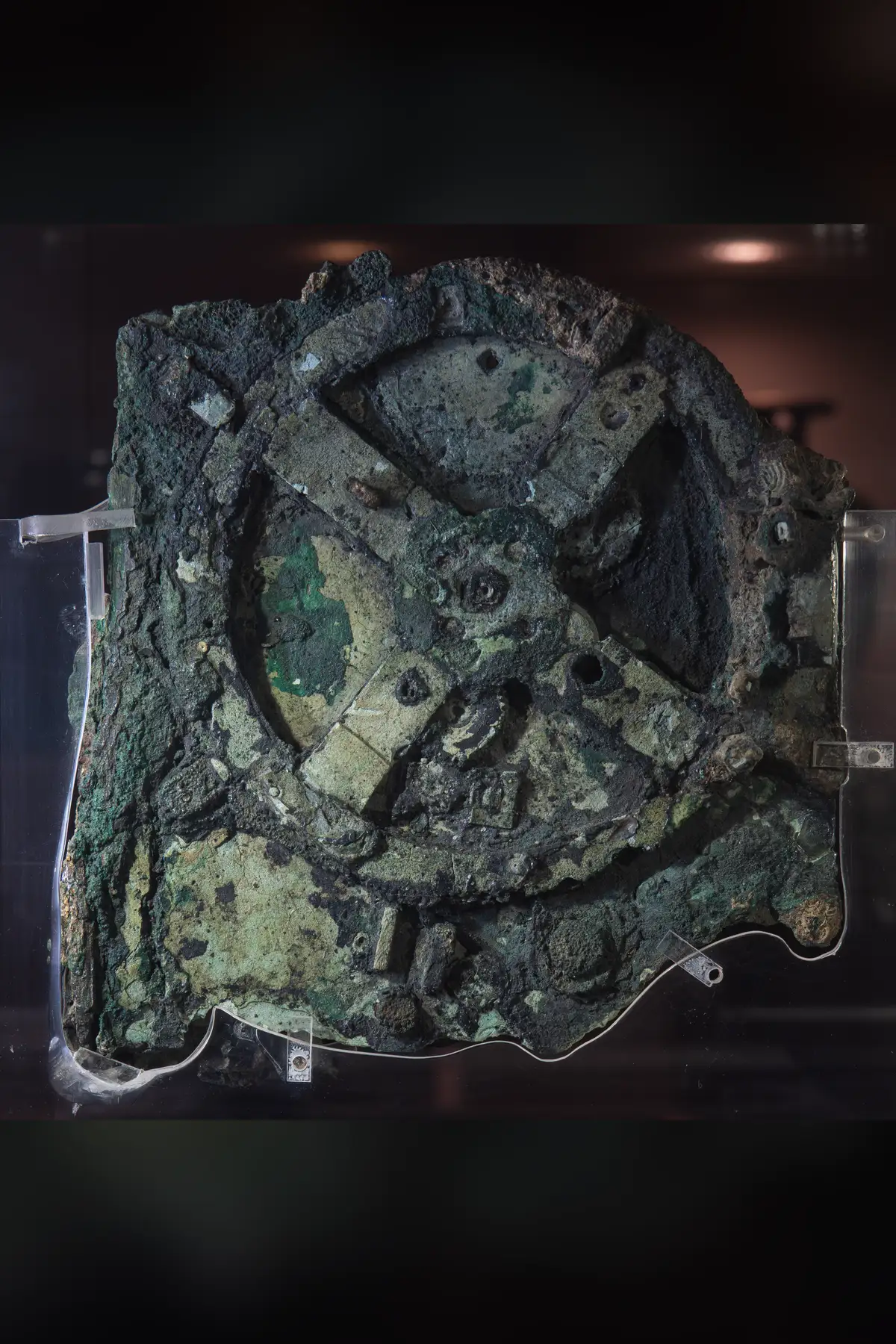
The Antikythera Wheels and the Thousand-Year Gap
The Antikythera mechanism is a geared bronze calculator recovered from a shipwreck off the Greek island of Antikythera in 1901, made between the late third and early first centuries BC. Its thirty surviving gears predicted eclipses and modelled the Moon's uneven motion. Its own reconstructors call it a creation of genius. Here is what it does, how it was read, and why nothing like it survives for so long afterward.
-
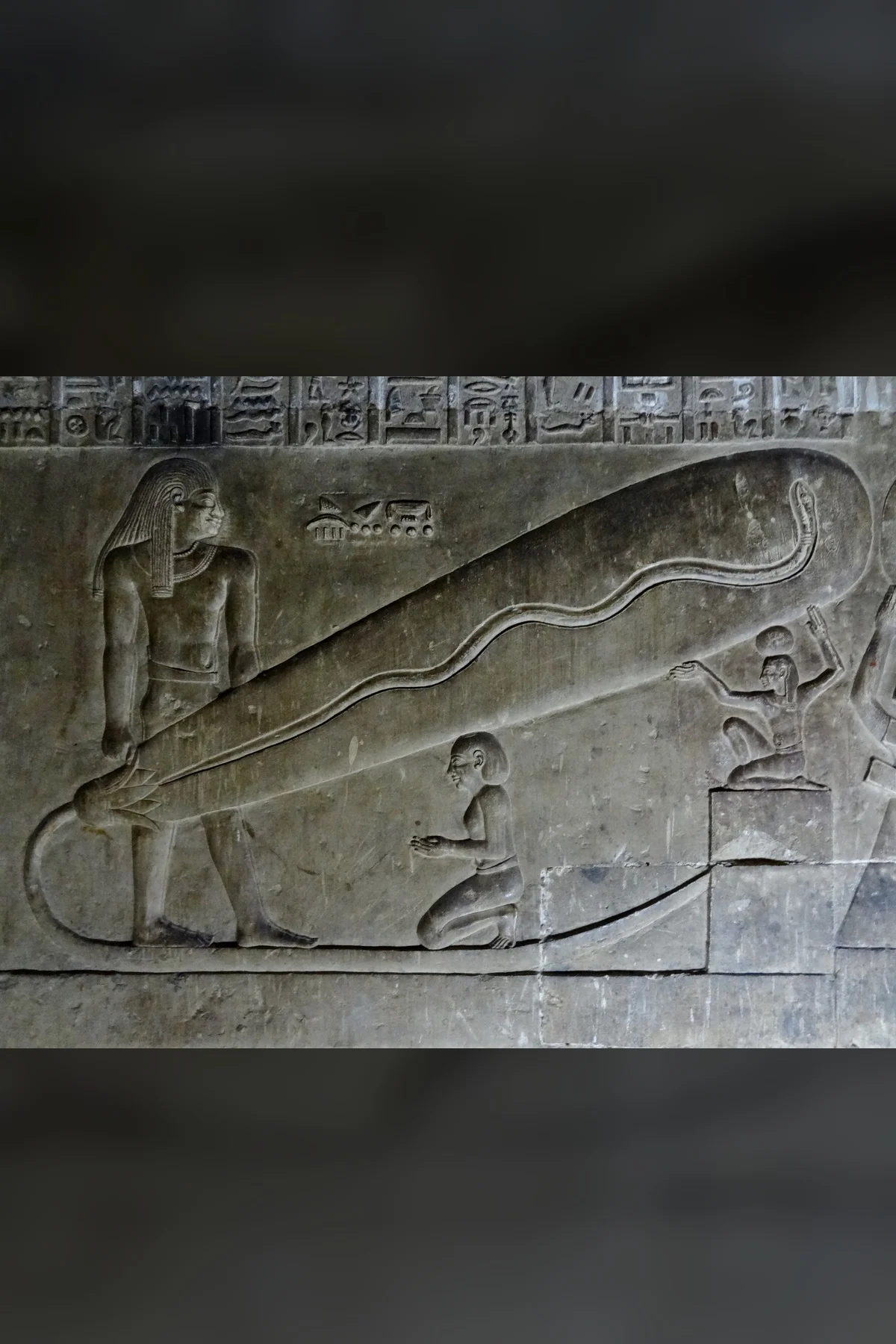
The Dendera Crypt Reliefs and the Bulb Nobody Can Name
Carved in a crypt under an Egyptian temple more than two thousand years ago is a picture that, to many modern eyes, looks like an electric light: a long bulb with a snake stretched inside it and a line running to a box. Since the late 1980s, writers have offered it as evidence that the ancient Egyptians had electricity. The inscriptions carved beside it say something else. This is what the wall shows, what each reading rests on, and the one question the carving still leaves open.
-
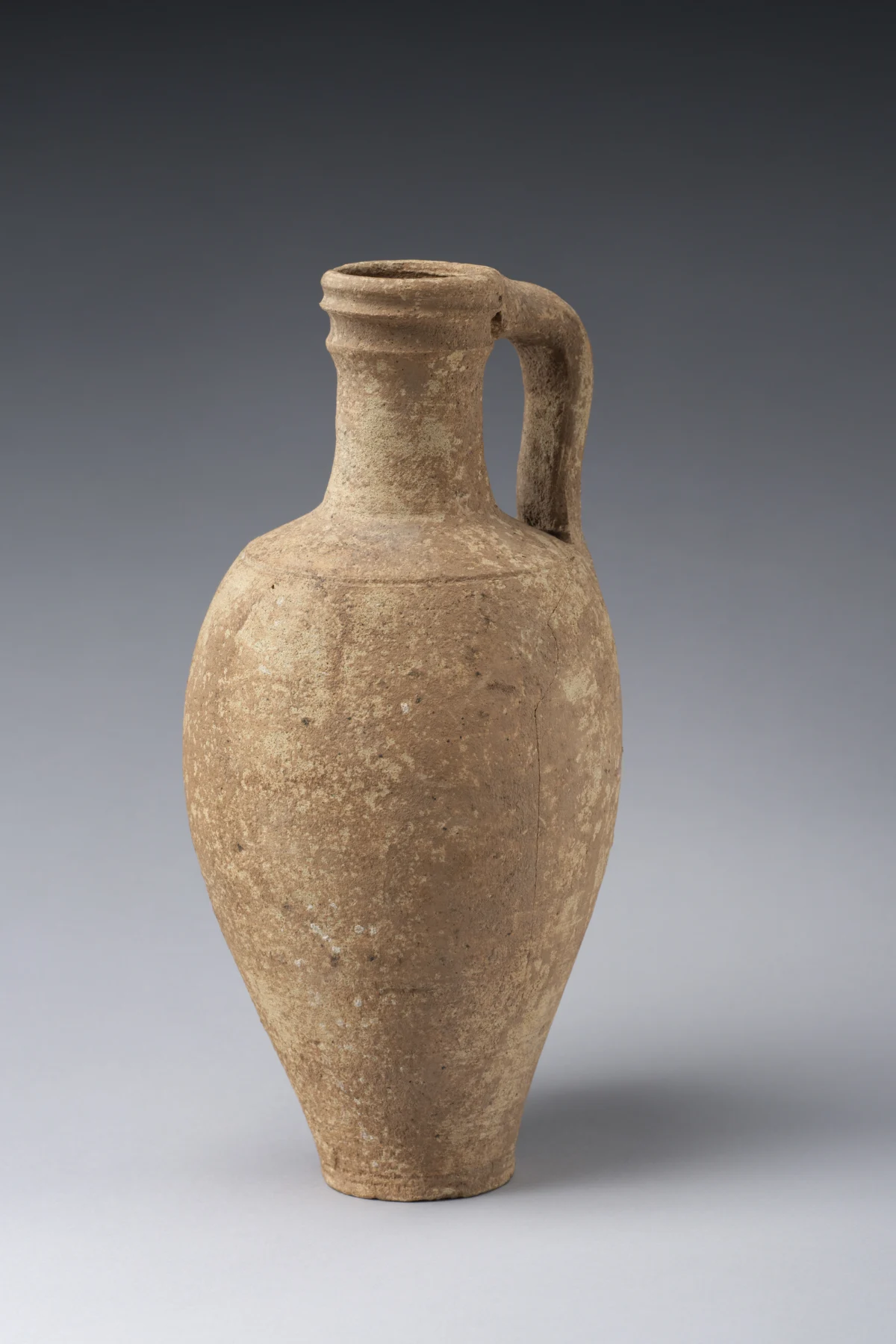
The Baghdad Jar, a Copper Tube and an Iron Rod
A small clay jar from Khujut Rabu'a, near Baghdad, held a copper tube sealed with asphalt and a corroded iron rod. In 1938 Wilhelm Koenig of the Iraq Museum asked whether it was a galvanic cell, and replicas have made electricity ever since. This is the record of the jar, the case for a battery, the case for a scroll holder, and the questions the lost original still holds.
-
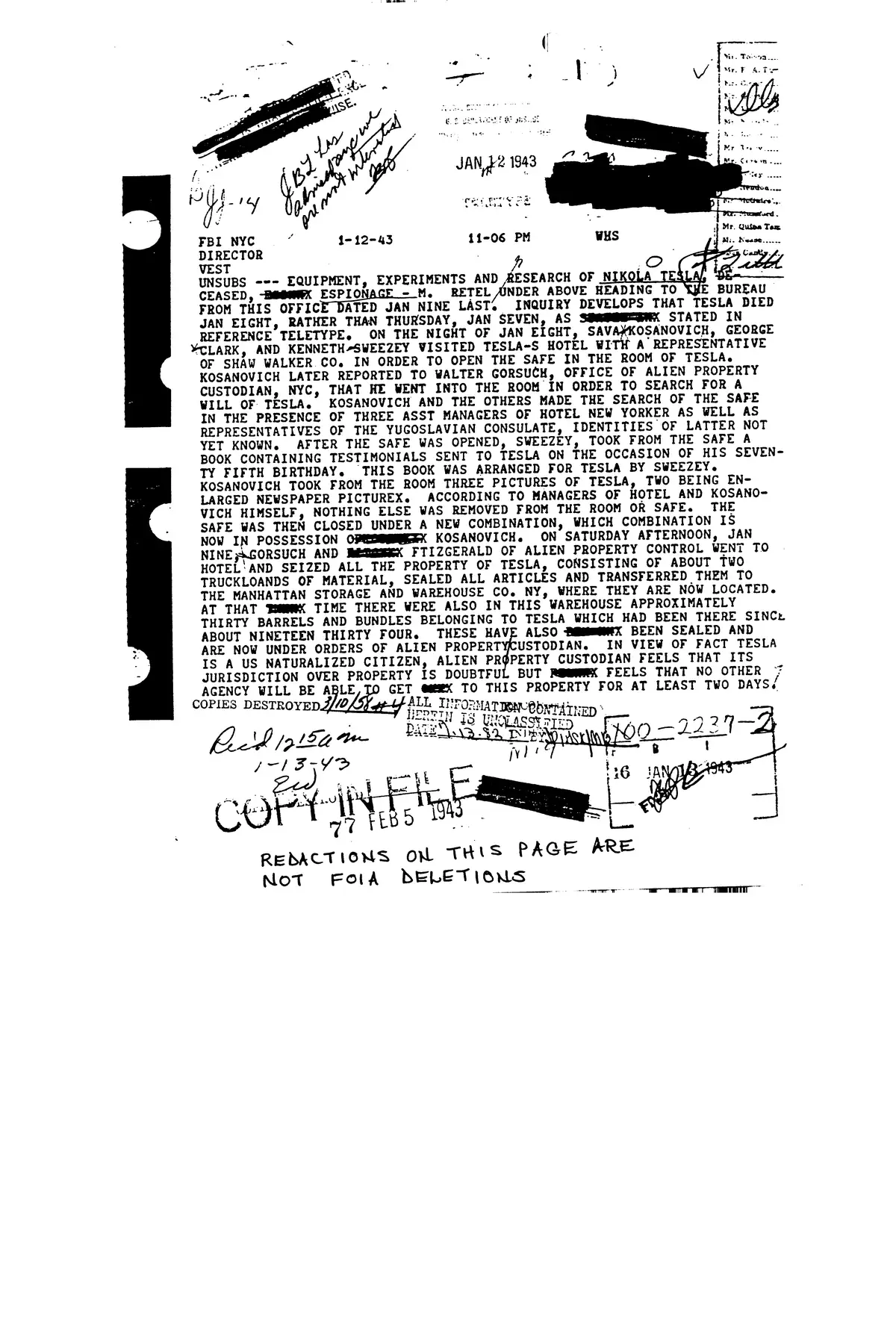
Tesla's Room 3327 and the Trunks the Government Took
When Nikola Tesla died in his New York hotel room in January 1943, the Office of Alien Property seized his belongings, at the FBI's request by Wikipedia's account, though he was a naturalized citizen. An MIT engineer, John G. Trump, examined the papers and found nothing dangerous; they went to Belgrade in the 1950s. Accounts of missing papers have followed ever since. Here are the FBI's own records, what was taken and what is still unaccounted for.
-
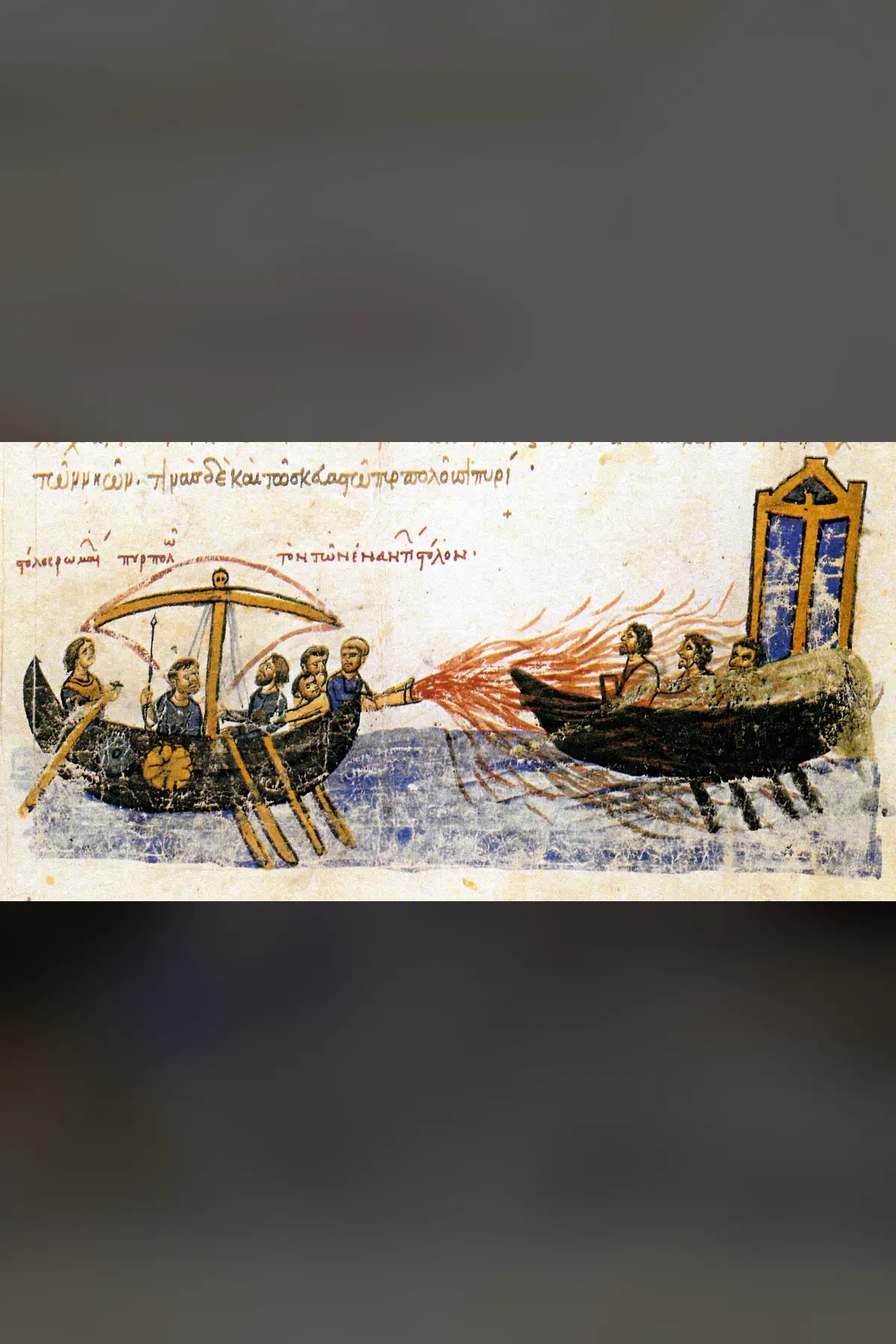
Greek Fire, an Imperial Secret and the Formula That Died
Greek fire was the Byzantine Empire's liquid incendiary weapon, developed around 672, first used against the Arab siege that followed, and sprayed from tubes called siphons on warships. It helped save Constantinople from two Arab sieges. Emperor Constantine VII told his son to tell foreigners it had been revealed by an angel and must never be shared, and its exact formula was lost. Here are the sources, the modern reconstructions, and what is still unknown.