Ancient materials
Steel, concrete and glass from the old world that modern laboratories are still taking apart, beginning with a seventeenth-century sabre in which a Dresden team reported carbon nanotubes in 2006.
-
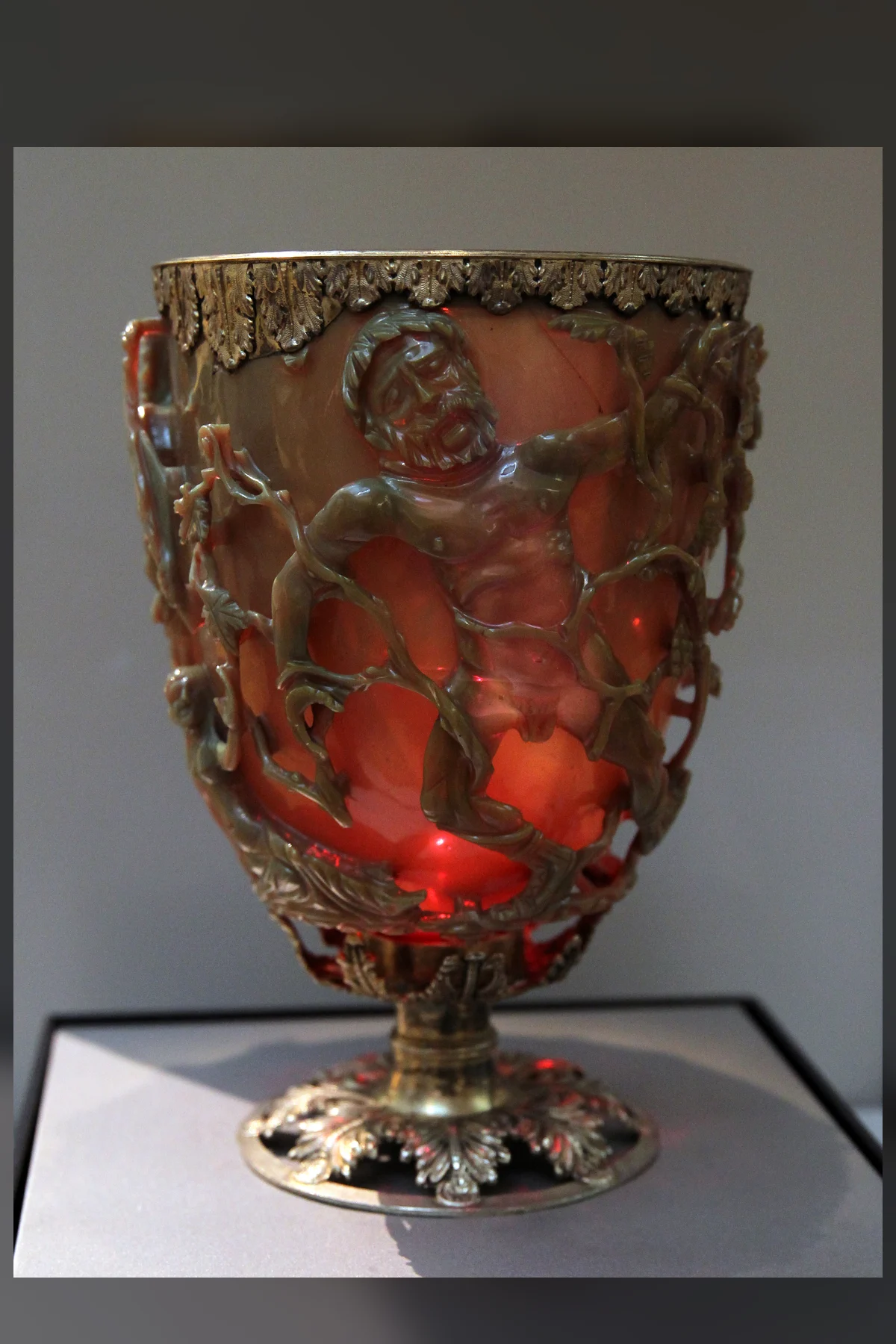
The Lycurgus Cup and the glass that changes colour
The Lycurgus Cup is a fourth-century Roman glass cage cup in the British Museum that is green in reflected light and red when lit from inside, because of silver-gold particles 50 to 100 billionths of a metre across in the glass. It has been called a Roman nanotechnology. This article sets out what the analyses show, what the specialists conclude, and what is still unknown.
-
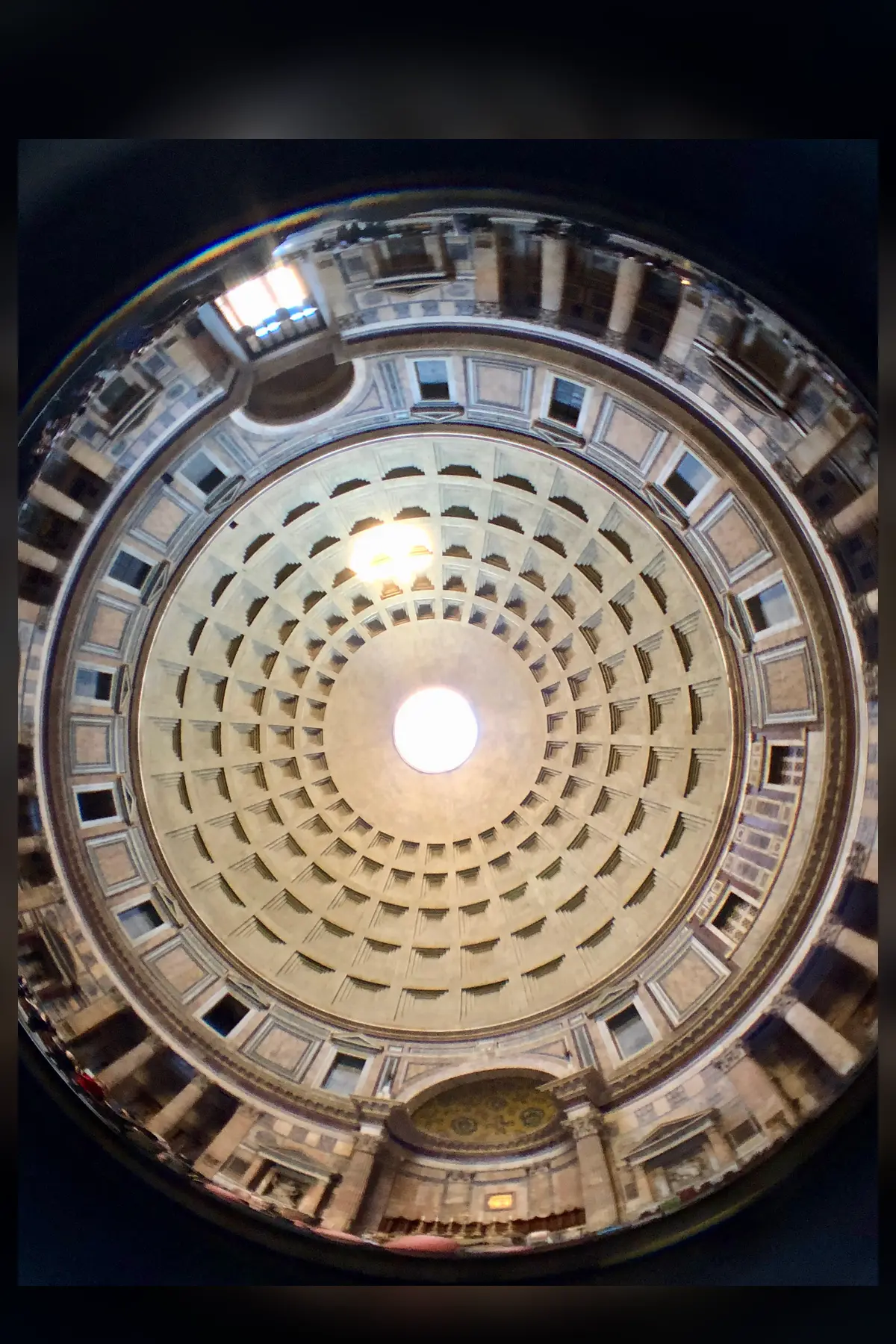
Roman concrete and the 2023 lime-clast study
Roman concrete built the Pantheon dome and harbour piers still standing after two thousand years. In January 2023 Admir Masic's team at MIT argued that the white lime lumps in it come from hot mixing with quicklime, and that they let cracks seal themselves; a 2025 study by the same group of a Pompeii building site found the method in use. This article sets out the evidence, the limits, and the recipe still missing.
-
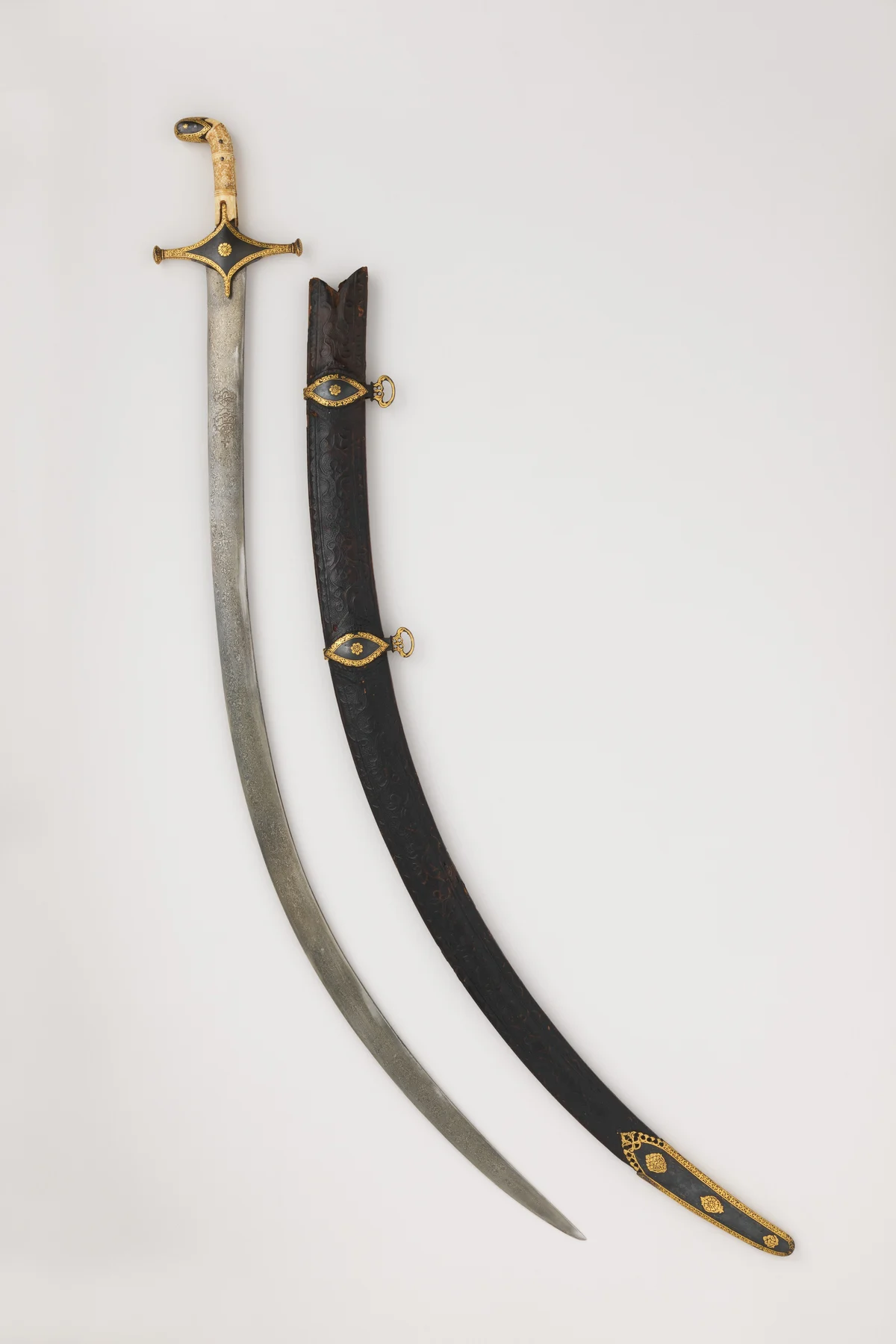
Damascus steel and the 2006 nanotube paper
Damascus steel is the patterned crucible steel of the old Islamic world's sword blades, whose making was lost by about 1800. In 2006 a team at the Technical University of Dresden reported carbon nanotubes and cementite nanowires inside a seventeenth-century sabre, and asked whether the smiths had made nanostructures by trial and error. This article sets out what they found, what metallurgists answer, and what is still unproven.