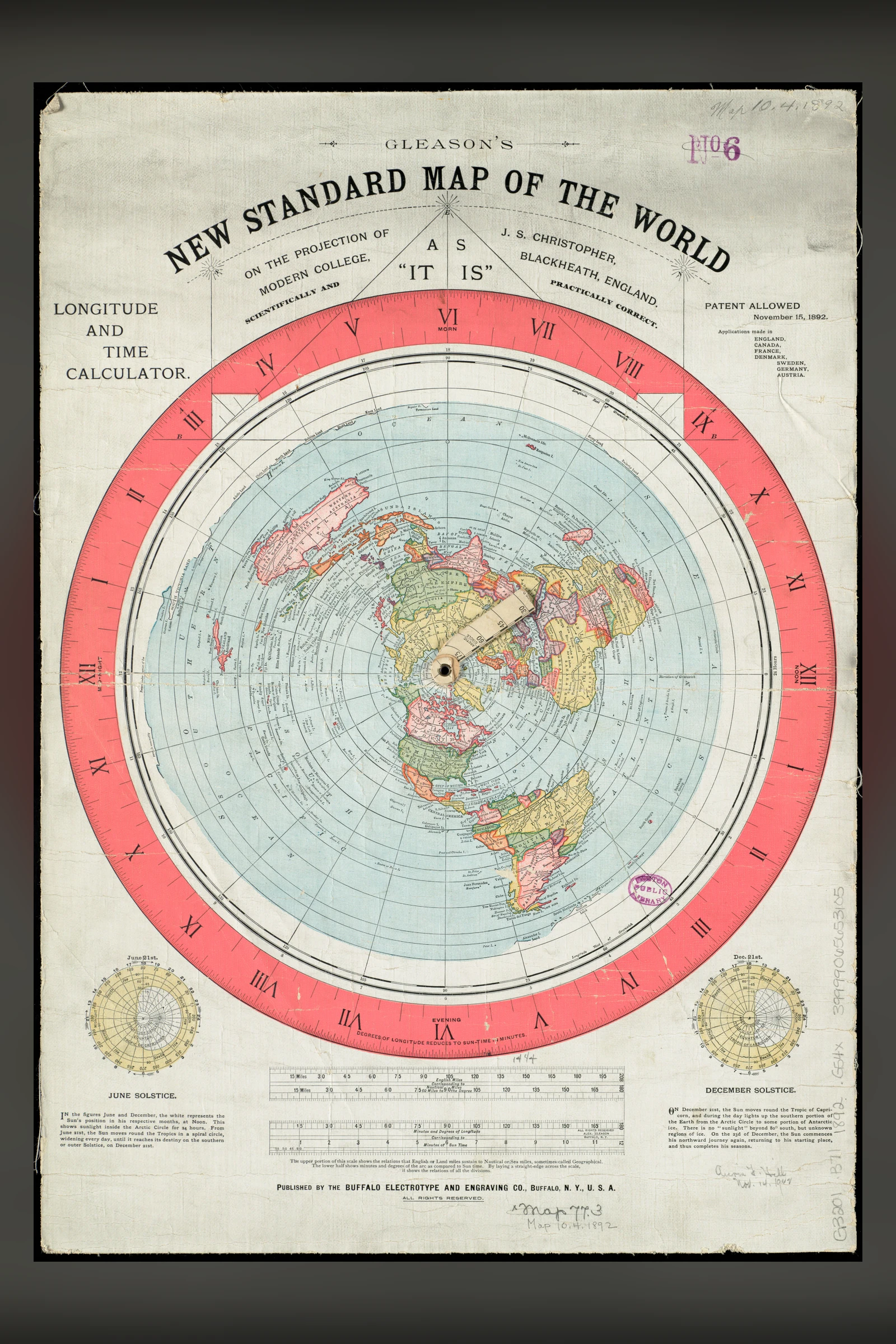
Flat earth is the claim that the ground under every living person is a level plane and not a ball. Its founding test took place on the Old Bedford River, a dead-straight cut through the Fens of eastern England. The year usually given is 1838.
A man is in the water. Samuel Birley Rowbotham has waded in on a bright summer afternoon and settled with his eye eight inches above the surface, a good telescope in his hands. Six miles of still water run away from him without a bend. A boat with a flag on it sets off down that line, and he stays where he is and watches it go.
The sum, as he printed it in 1881, is simple. On a ball of the accepted size, the top of that five-foot flag should finish 11 feet 8 inches below his horizon. Out of sight. Gone, hull first, the way ships are said to go.
The boat gets smaller. The boat keeps going. His report ends in an exclamation mark.
"The flag and the boat were distinctly visible throughout the whole distance!"
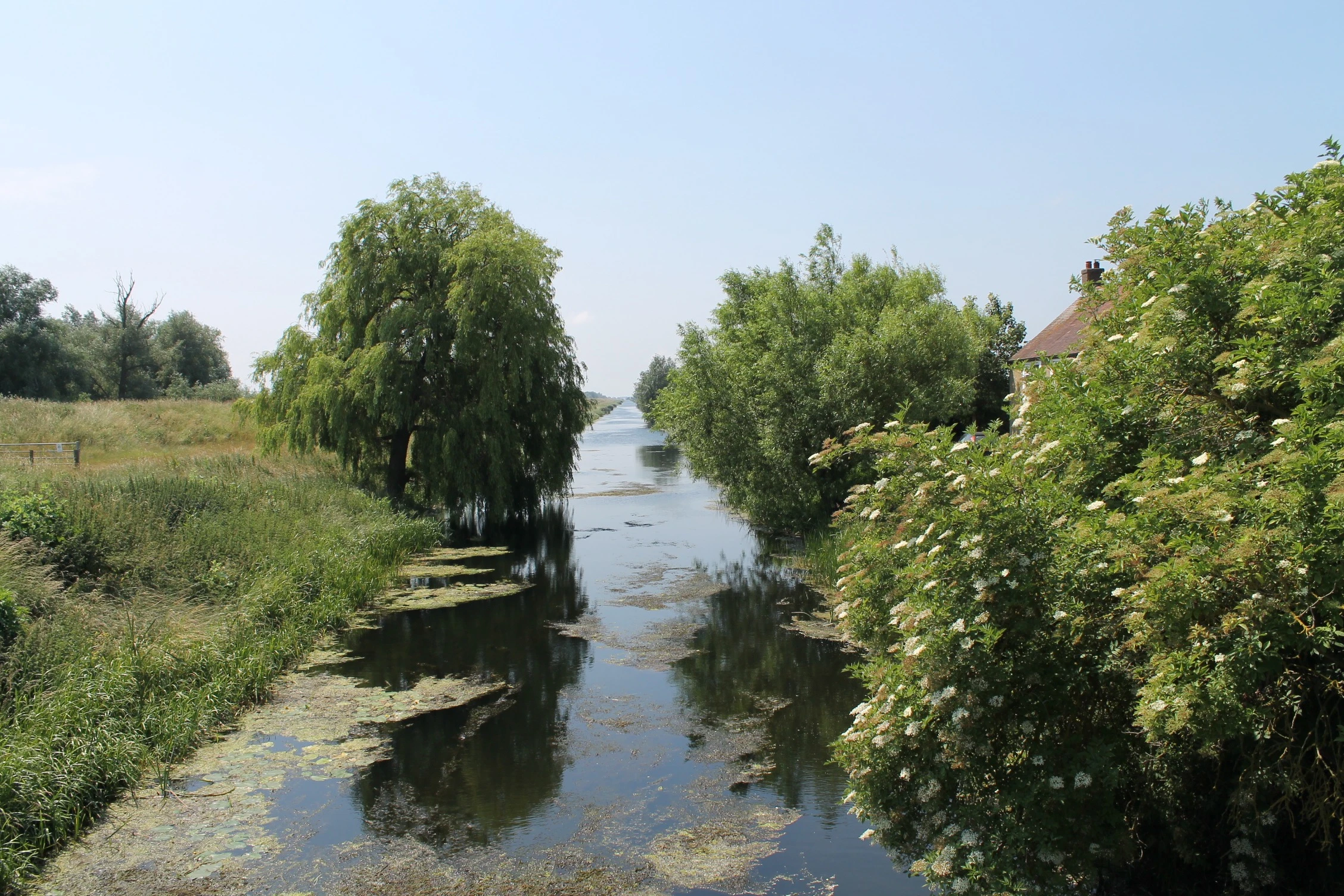
A Bather in the Fens
Rowbotham put the test in print in 1849, in a 16-page pamphlet signed Parallax, and in 1865 in a book, Zetetic Astronomy: Earth Not a Globe. Later editions grew to 430 pages. His own editions differ on the details: in 1865 the flag stands three feet above the water and the boat sails from Welney Bridge, and in 1881 it stands five feet and the boat sails toward Welney. The result does not change. "The surface of standing water is not convex, but horizontal."
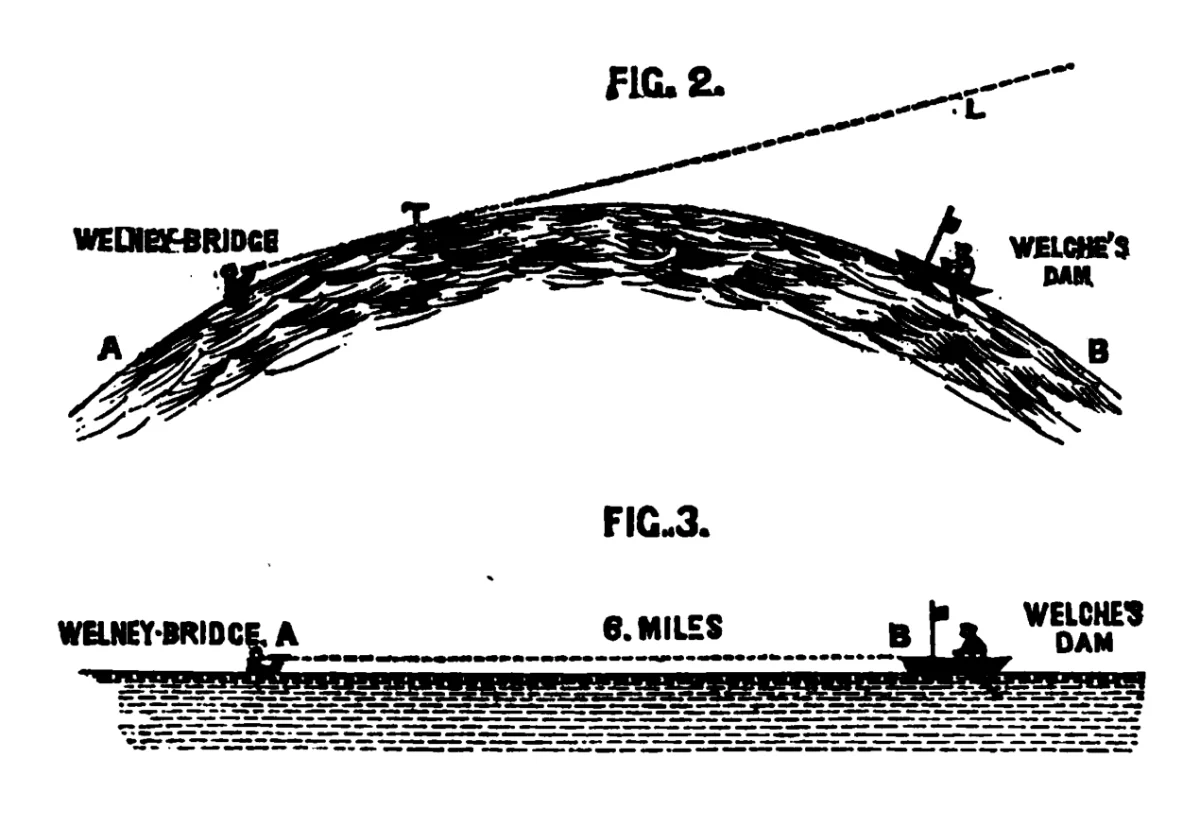
The method was the whole idea. Zetetic meant seeking: no theory first, no borrowed authority, only what an observer could do with his own eyes. He ran the river a second time with six flags set a mile apart, their tops all five feet up, and reported the line of them lying level end to end.
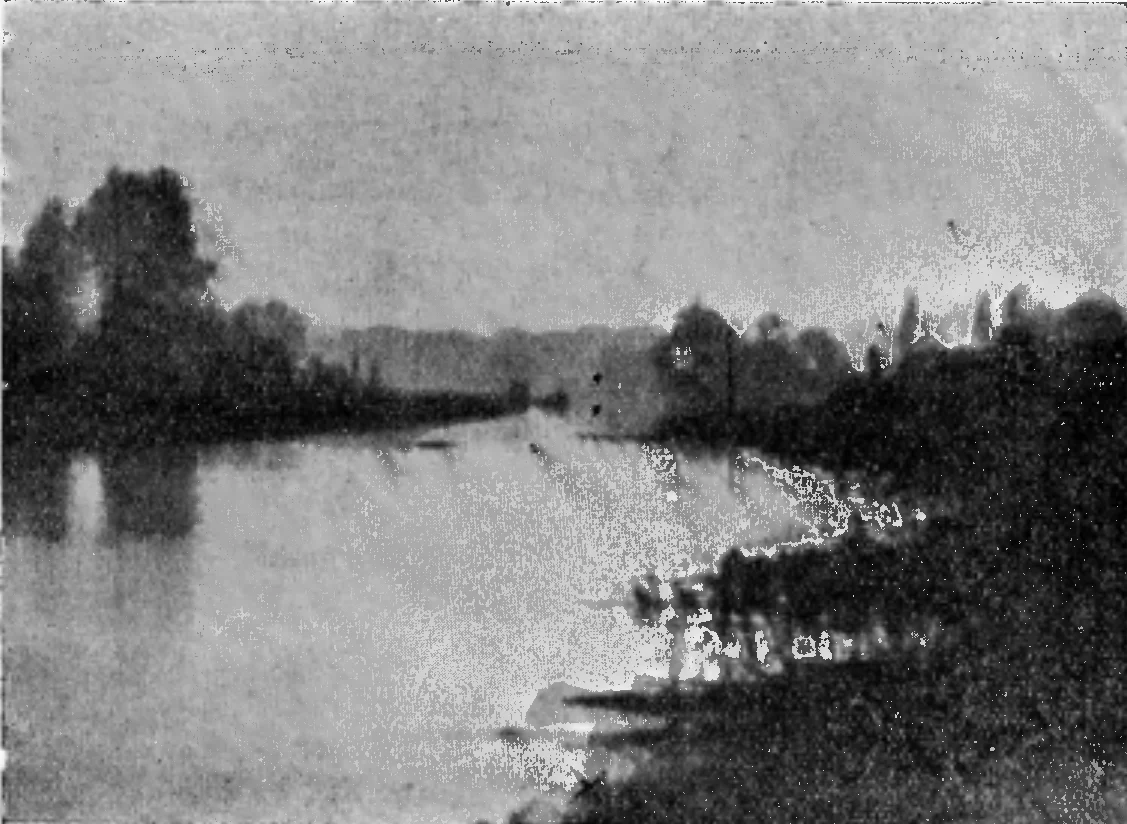
Then came a camera. On 11 May 1904 E. Clifton of the lens makers Dallmeyer's worked the same water before Lady Elizabeth Anne Blount, founder of the Universal Zetetic Society. Her magazine, The Earth, called him "a globularist", and said that was the point. A large white sheet went up near Bedford Bridge. Six miles off, close under Welney Bridge, Clifton had to lie down to work a telephoto camera set less than two feet above the ground.
He had come, he wrote to her, "with the distinct idea that nothing would be seen of the sheet". Through a telescope two feet above the water he watched its lower edge being fixed. The Earth called the day misty and Clifton called the conditions very unfavourable, but "the sheet is very plainly visible nevertheless."
The Earth printed his letter and the plate, with two dots to show the reader where to look, and said the foot of the sheet should have lain over 20 feet below the line of vision on a globe. Clifton's own verdict was narrower. "I should not like to abandon the globular theory off-hand," he wrote, "but, as far as this particular test is concerned, I am prepared to maintain that (unless rays of light will travel in a curved path) these six miles of water present a level surface."
Everything turns on that bracket.
What the Eye Reports
Rowbotham's heirs have built a long case on that footing. Eric Dubay's 200 Proofs Earth is Not a Spinning Ball, of 2015, echoes the title of William Carpenter's One Hundred Proofs of 1885, and its strongest entries are the ones anybody can check from a beach.
Water finds its level. A lake does not look like a bulge from its shore. Dubay's third proof calls this "the natural physics of water", and his sixth does the sum for Rowbotham's river: six feet of dip on either side of a central peak.
The horizon stays flat. Dubay's first proof says it "always appears perfectly flat 360 degrees around the observer regardless of altitude", in amateur footage from balloons 20 miles up. The Flat Earth Society's wiki adds that it rises to the eye as the eye climbs.
Builders do not curve their work. Dubay's seventh proof says surveyors, engineers and architects "are never required to factor the supposed curvature of the Earth into their projects".
And the far shore keeps turning up. In 2015 Joshua Nowicki photographed the Chicago skyline from Grand Mere State Park in Michigan, about 60 miles across the lake. The station that ran the picture said it should not have been visible, "due to the curvature of the earth". Some of its viewers called the explanation that followed a cover-up.
The Machines That Would Not Move
The second half of the case turns from the eye to the instrument, and to the picture.
In 1887 Michelson and Morley set out to catch the Earth moving through space, and light came back at the same speed in every direction they tried. The Flat Earth Society's wiki calls that a shocking result: on its reading the planet "did not measurably move around the sun at all". In 1871 George Airy filled a telescope with water and, on the same wiki's account, "failed to detect the motion of the earth".
The pictures come next. "It is too easily manipulated and altered," the same wiki says of photographic evidence, and the man who built one of the best-known Earth images of the age supplied a line of his own. Robert Simmon assembled the 2002 Blue Marble for NASA. In a 2011 post he wrote of its cloud map that people had noticed repeating features that appear photoshopped. "They are."
To the south lies the wall. Rowbotham wrote of "vast and lofty cliffs of ice", Alexander Gleason's map of 1892 draws the world as a disc around the North Pole, and a popular theory says the Antarctic Treaty keeps visitors off the ice in summer to protect the story of a 24-hour sun. Wilbur Glenn Voliva of Zion, Illinois offered $5,000 to anyone who could prove the globe, and had a radio station from 1923. Samuel Shenton kept the idea alive from Dover after 1956. In 2018 Mark Sargent carried it into a feature film, Behind the Curve.
If the Ground Is Level
Set aside for a moment whether it is true. Ask the better question. What sort of world would it be?
It would mean that the most repeated fact in every schoolroom on Earth was never observed by the people repeating it. Our maps would be wrong in a way no traveller noticed, and every line of longitude drawn across the south would be a drawing of something else.
It would mean that a surveyor's level and a child's view from a beach were right all along, and that the people who told us otherwise had been reading a theory into the world and calling it a measurement. Our ships would never have gone around anything. Our seasons, our tides and our nights would need new causes, every one of them built from the ground up, and the work of explaining them would still be ahead of us.
It would mean the sky is a smaller place than we have been told. Voliva put the sun 32 miles across and no more than 3,000 miles off. On that reading the stars are near things and there is no gulf out there at all, no distance for the species to be small against.
It would mean that our whole picture of our own place, a round world in the dark, is a work of art. We would have built a self-portrait out of something that was never there.
And it would leave a question still in front of us. If a thing that large could be taught for more than two thousand years, what else is sitting in plain sight, on a level river, waiting for somebody to get in and look?
What the Private Tests Show
The standard account of the Earth's shape rests, for the purposes of this article, on nothing issued by any space agency. It rests on what follows.
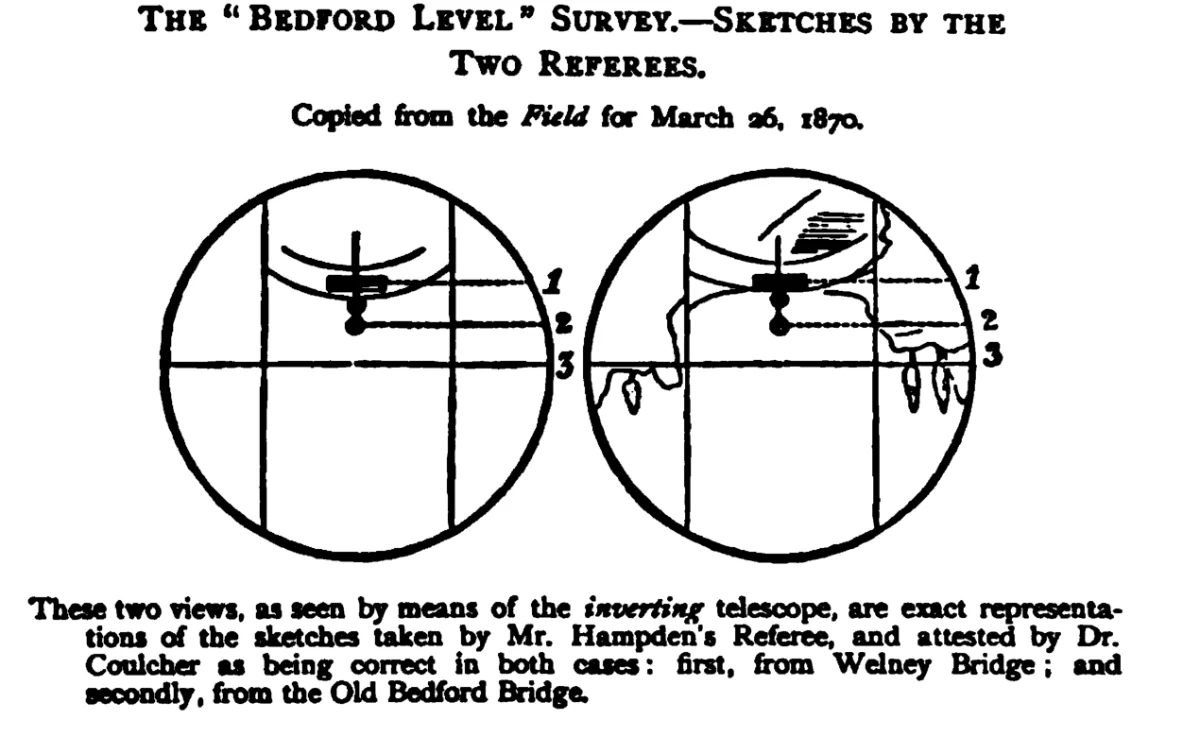
Alfred Russel Wallace took John Hampden's 500 pound wager in 1870 on the same river. By his own account he worked from the parapet of Welney bridge, 13 feet 3 inches up, far higher than Rowbotham's eye, with a middle mark and a far mark set at the same height. The curve, he wrote, "was very nearly of the amount calculated", and the referee ruled for him. Henry Yule Oldham repeated it in 1900 and 1901, photographing it: "about six feet above the line of sight".
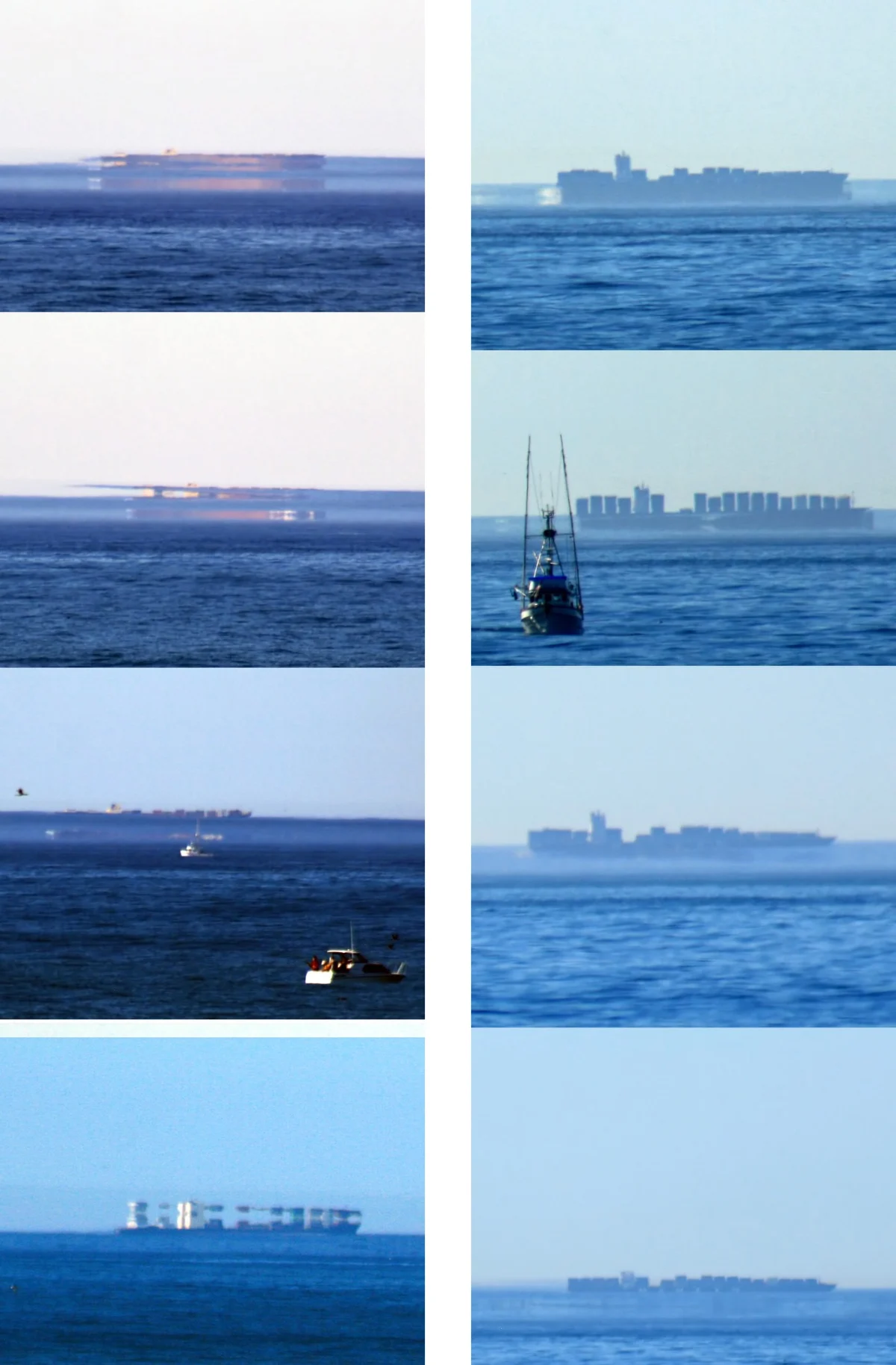
The bracket in Clifton's sentence has been measured. Surveyors, led by Christian Hirt in a 2010 paper, define a coefficient, k, and at k = 1 light bends exactly with the Earth, so curved water looks level. They recorded -4 to +16 about two metres above grass on sunny days, and the paper cites +1 to +18 about five metres above water. Rowbotham's eye and Clifton's lens sat lower than either, so the step to the Old Bedford River is an inference. On those figures light low over water can bend enough to make water look flat, and more than enough to make it look hollow, which is what Ulysses Grant Morrow reported from Illinois in 1896. The same weather explains Chicago, by the meteorologist's account a superior mirage over cold water. Most days the skyline cannot be seen.
Qantas flight 27 flies Sydney to Santiago non-stop in about 12 and a half hours. That is about 11,340 kilometres on a ball. On a Gleason-type disc it is about 25,680, or 2,050 kilometres an hour in an airliner, with a wristwatch on every passenger.
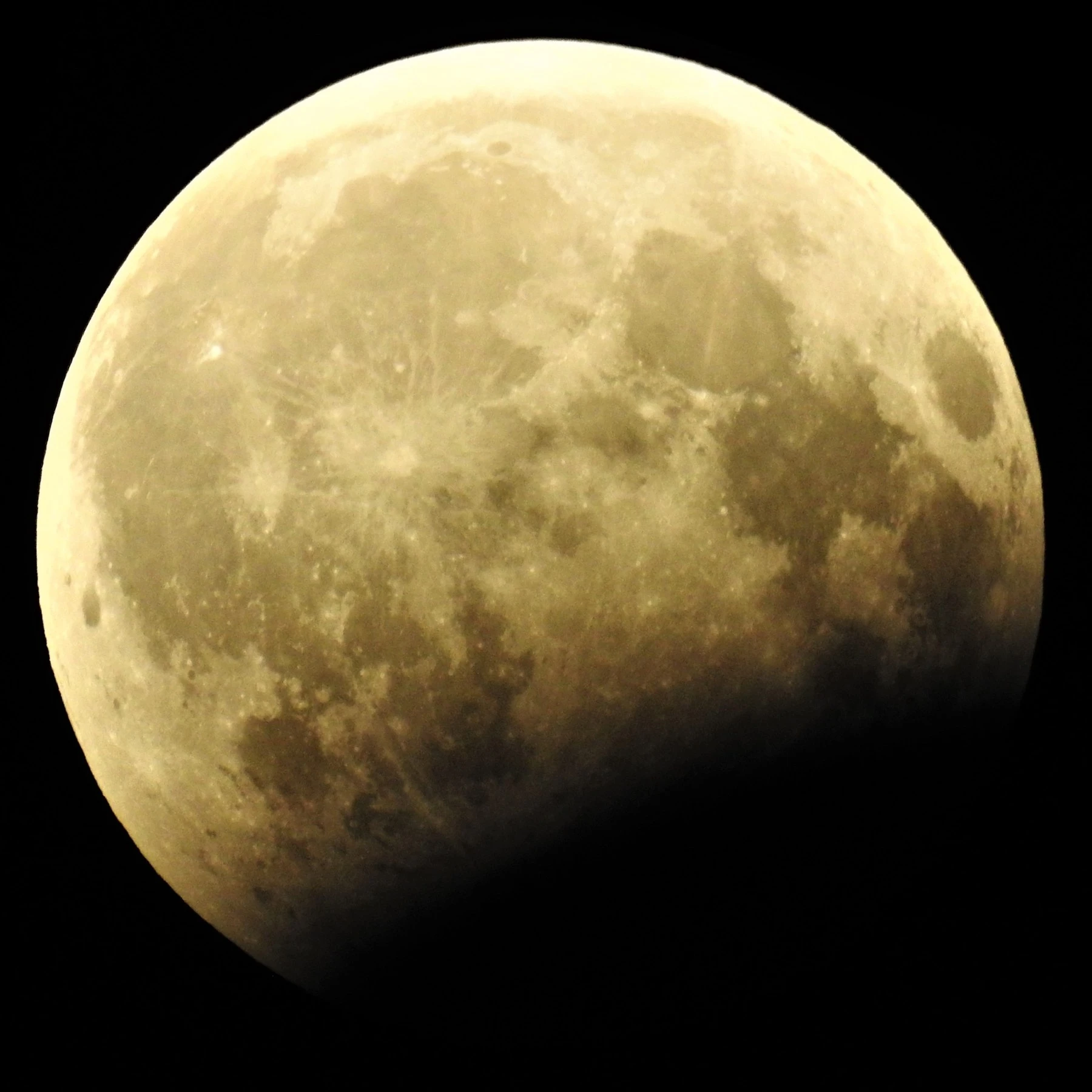
Aristotle read a curved shadow on the eclipsed moon. And in December 2024 the flat earth broadcaster Jeran Campanella went to Union Glacier in Antarctica to look for himself. The project's own site said both sides had agreed a 24-hour sun would decide it. The sun did not set. "Sometimes you are wrong in life," he said.
What That Does Not Reach
That record is strong, and it has limits.
Nobody measured the air over the Old Bedford River in 1838 or in 1904. Both men left a note of the weather and no more. Rowbotham had bright sun at about three on a summer's afternoon. Clifton had a day of sunshine after several wet days, and "an aqueous shimmering vapour" floating unevenly over the canal and the fields, which he counted a nuisance to his focus. Hirt's numbers come from Germany. Refraction fits those two sightings; it was not observed on them. Official X found no such measurement.
Wallace's result is a harder object than it is usually made out to be. On Wallace's own account, Hampden's referee looked at the same three marks, drew his own sketch of them, and declared them "a perfect straight line". He was William Carpenter, and 15 years later the title page of his One Hundred Proofs still called him Hampden's referee. Hampden declined to look at all. The wager was later held unenforceable and his stake went back to him. The ruling settled a bet. It did not settle Carpenter.
Other classics reach less far than the schoolbooks say. Eratosthenes's two shadows fit a flat Earth with a near sun, Rowbotham's own model, until a third city is added. Foucault's pendulum and the gyroscope show rotation, and rotation of something is not the shape of anything. When Bob Knodel's ring laser gyroscope found what he called a "15 degree per hour drift", he and his Globebusters colleagues had measured a turning, and the flat earth answer offers the firmament as the thing that turns. Michelson's result is real, and it too concerns motion, not form. Aristotle's shadow assumes the Earth is what casts it, and the Flat Earth Society's wiki offers an unseen shadow object instead. Amateur balloon pictures show so slight a curve that the argument over the lens stays open. Dubay's surveyors go untested here: no named project was examined either way.
Simmon's "They are." stands, and so does the reason he gave in the next sentence: gaps between satellite orbits, with "no way to fill them with real data". Whether any picture of the whole Earth is what it appears to be is a question with its own evidence, and it gets its own investigation, as the missing stars in the Apollo pictures already have.
Still Water
The field is not what it was. Campanella told the Denver Post he could not go on: "the flat Earth doesn't work for me". He stepped away, saying he expected to be called a shill. Much of the wider movement rejected the result. The numbers are shaky. YouGov reported in 2018 that 2 percent of Americans had always believed the Earth flat, and the spreadsheet it later supplied to two researchers gave 1.28.
Where private people have run these direct tests, the record leans one way. A ball accounts for each of those tests with one shape. The plane needs a separate answer for each, and the Flat Earth Society's own wiki lists two rival maps.
Which leaves the bather.
What Rowbotham saw from eight inches above the water was probably there to be seen. Surveyors could set three marks and a line of temperature sensors along the same six miles on a hot day and watch the curve come and go; Official X found no record of that being done there. It would not prove the shape of the world, only what the air was doing to the people arguing about it.
Rowbotham thought he was looking at the Earth. He may have been looking at the weather, and Clifton may have written it down. The river is still there, it is still straight, and in summer it is still warm enough to get in.
Questions This Leaves You With
Is there anything you actually do with this?
Nothing in your own week depends on the answer, and it would be dishonest to pretend otherwise. Anyone selling a date for the great reveal is selling something. The larger use is different. Most of what you believe about the world, you were told. This subject hands you a rare chance to separate what you have checked from what you have accepted. A watch on a Sydney to Santiago flight, or a telescope at the next lunar eclipse, turns a belief into an observation, whichever way it falls.
Does this sit against a religious account of the world?
It has been argued in both directions by people who took it seriously. Voliva and Lady Blount read scripture as a level Earth, and YouGov's 2018 report said most who chose flat called themselves very religious. Jeffrey Burton Russell's history of the error argues that educated medieval Christians overwhelmingly held the Earth to be a sphere, and that the flat medieval Earth was a story told later. Official X will not tell you how that falls, and neither the plane nor the ball settles what any tradition requires of you.
Do you need to rethink anything?
Set your own life against both pictures. On one, you stand on a small round world with an unmeasured dark around it, and a human span is very brief. On the other, you stand at the centre of a built thing with a roof on it, and everyone you have trusted was mistaken. One shrinks you. Either can also enlarge you: a life on a rare blue world, or a life spent seeing through a very large error. Which reaction you had first says something, though not about the Earth.
What would change your mind, in either direction?
Name it now, before you are committed. For the plane: the same river measured on a calm day, with the air profiled, showing no drop at all across a raised line of marks. A verified route between southern cities at a disc's true distance. For the ball, if you lean flat: your own stopwatch on that flight, the sun above the horizon at midnight in December, or a chart of southern stars turning the opposite way. Campanella named his test in advance, and when it came back, he said so.
Why did anyone ever need to run this test on a river?
That is the part still open, and it is not about geometry. Two men looked at the same marks on the same Fens water and read them opposite ways. Wallace called the bet injudicious, and Hampden's abuse followed him for 15 years. The tests are cheap, the results have been in print since 1870, and the idea has come back on radio, on the web and on video. Distrust, community and the plain experience of a level world have all been offered as reasons. Nobody has settled why it keeps coming back.
Downloads
- Zetetic Astronomy: Earth Not a Globe, 1865, full bookSamuel Birley Rowbotham (Parallax). Internet Archive scan of the Oxford copy; marked not in copyright
- The Earth, nos. 49 and 50, August and September 1904, the whole issueEdited by E. A. M. Blount. 1904, out of copyright. Scan from earthnotaglobe.com, through the Internet Archive
- My Life: A Record of Events and Opinions, volume 2, 1905, full bookAlfred Russel Wallace; Dodd, Mead, New York. Internet Archive scan; marked not in copyright
- One Hundred Proofs That the Earth Is Not a Globe, 1885, full bookWilliam Carpenter, Baltimore. Library of Congress copy, Internet Archive; the Library is unaware of any copyright restrictions
- De Caelo, translated by J. L. Stocks, 1922, full bookAristotle; Clarendon Press, Oxford. Library of Congress copy, Internet Archive; the Library is unaware of any copyright restrictions
Sources
- Zetetic Astronomy: Earth Not a Globe, 1865, full book Samuel Birley Rowbotham (Parallax). Internet Archive scan of the Oxford copy; marked not in copyright Primary record
- Zetetic Astronomy, 1881 edition, Experiment 1 Samuel Birley Rowbotham; sacred-texts.com Primary record
- Zetetic Astronomy, 1881 edition, on the southern ice Samuel Birley Rowbotham; sacred-texts.com Primary record
- The Earth, nos. 49 and 50, August and September 1904, the whole issue Edited by E. A. M. Blount. 1904, out of copyright. Scan from earthnotaglobe.com, through the Internet Archive Primary record
- My Life: A Record of Events and Opinions, volume 2, 1905, full book Alfred Russel Wallace; Dodd, Mead, New York. Internet Archive scan; marked not in copyright Primary record
- My Life, volume 2, transcription Darwin Online Primary record
- One Hundred Proofs That the Earth Is Not a Globe, 1885, full book William Carpenter, Baltimore. Library of Congress copy, Internet Archive; the Library is unaware of any copyright restrictions Primary record
- De Caelo, translated by J. L. Stocks, 1922, full book Aristotle; Clarendon Press, Oxford. Library of Congress copy, Internet Archive; the Library is unaware of any copyright restrictions Primary record
- On the Heavens, book II, Stocks translation Internet Classics Archive, MIT Primary record
- Report of the British Association for the Advancement of Science, 1901, pp. 725-726 Henry Yule Oldham; British Association Primary record
- Monitoring of the refraction coefficient in the lower atmosphere, Journal of Geophysical Research, 2010 Christian Hirt and others Primary record
- Bedford Level experiment Wikipedia General reference
- Bedford Level Experiment The Flat Earth Society wiki Study
- FAQ The Flat Earth Society wiki Study
- Michelson-Morley Experiment The Flat Earth Society wiki Study
- Airy's Failure The Flat Earth Society wiki Study
- Eric Dubay's 200 Proofs, quoted in full flatearth.ws Study
- Mirage of Chicago skyline seen from Michigan shoreline, 2015 ABC57 Study
- Skyline skepticism: the Lake Michigan mirage, 2015 ABC57 Study
- Crafting the Blue Marble, 2011 Robert Simmon; NASA Earth Observatory Primary record
- Wilbur Glenn Voliva Wikipedia General reference
- Flat Earth Society Wikipedia General reference
- Behind the Curve Wikipedia General reference
- Myth of the flat Earth Wikipedia General reference
- Lord Chief Justice and the flat earth libel, 2025 Michael Cross, Law Gazette Study
- Qantas flight QF27 FlightMapper Study
- The Final Experiment (expedition) Wikipedia General reference
- Lunar Eclipse The Flat Earth Society wiki Study
- Flat earther expedition to Antarctica, 2024 Gizmodo Study
- The Final Experiment, 2025 Denver Post Study
- YouTuber on going to Antarctica, 2024 Latin Times Study
- Flat earther proves in simple experiment that the Earth is round, 2019 Kottke.org Study
- Most flat earthers consider themselves religious, 2018 YouGov Primary record
- Do people really think Earth might be flat? Scientific American Study
- Eratosthenes Bucknell University Study